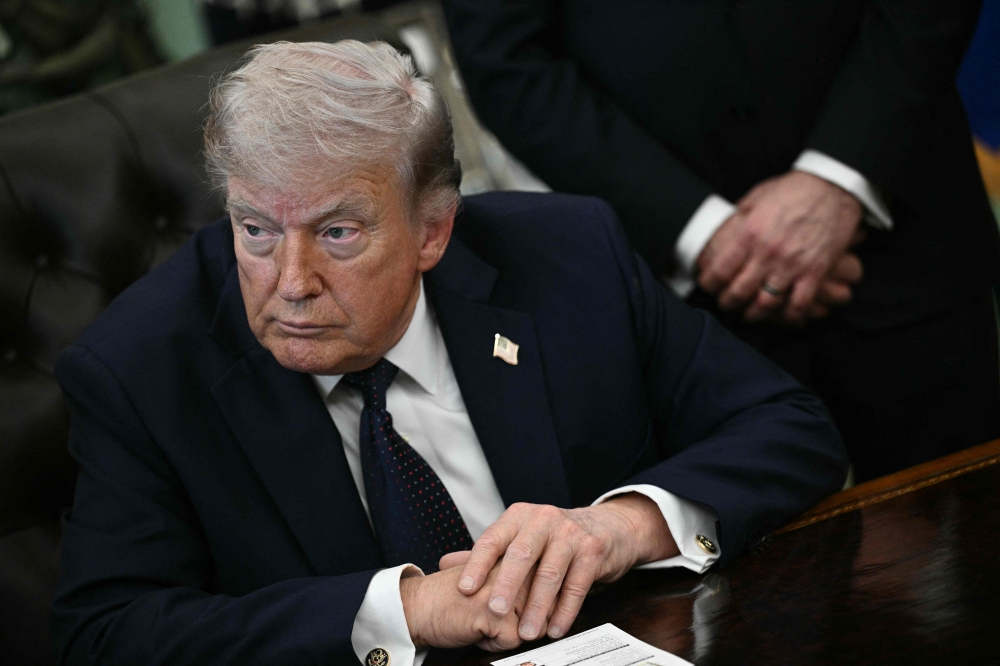
US President Donald Trump has called off a planned diplomatic mission to Pakistan aimed at advancing peace talks with Iran, signaling frustration with the current state of negotiations. Speaking on Saturday, Trump said continuing discussions felt pointless, adding there was no value in “sitting around talking about nothing,” though he clarified that the decision does not signal an immediate return to war.
According to Trump, the move came after dissatisfaction with Iran’s initial proposal. However, he noted a swift response from Tehran, revealing that a revised and improved proposal was delivered within minutes of his cancellation decision—hinting at ongoing behind-the-scenes diplomatic maneuvering.
The cancelled trip was expected to include senior figures such as Jared Kushner and special envoy Steve Witkoff, who were scheduled to travel to Pakistan to engage in indirect talks with Iran. Trump emphasized that the United States holds a position of strength and made it clear he would not authorize long diplomatic trips without meaningful outcomes.
Meanwhile, Iran’s Foreign Minister Abbas Araghchi concluded his visit to Islamabad after meetings with key Pakistani leaders, including Prime Minister Shehbaz Sharif and military chief Asim Munir. Pakistan continues to play a mediating role, attempting to bridge communication between Washington and Tehran.
Araghchi described his discussions in Pakistan as productive but expressed doubt over the United States’ commitment to genuine diplomacy. His next diplomatic stops include Oman and Russia, as efforts continue to find a resolution to the ongoing conflict involving the US and Israel since late February.
Tensions remain high due to the continued closure of the Strait of Hormuz, a critical global energy route. Iran’s Revolutionary Guards have made it clear they intend to maintain control over the waterway as part of a broader strategic stance. In response, the United States has intensified pressure by blockading Iranian ports, further escalating the standoff.
Global leaders have raised alarms over the economic and geopolitical consequences of the blockade. European Council President Antonio Costa stressed the urgency of reopening the strait without restrictions, calling it essential for global stability.
On another front, the conflict has spilled into Lebanon. Israeli Prime Minister Benjamin Netanyahu ordered strikes against Hezbollah targets, accusing the group of violating a recently extended ceasefire. Reports indicate multiple airstrikes in southern Lebanon, resulting in casualties and renewed fears among civilians.
Despite earlier optimism around a temporary truce, tensions continue to simmer. Hezbollah officials have voiced opposition to ongoing negotiations, warning that any agreement lacking national consensus would not hold.
For ordinary people caught in the middle, uncertainty defines daily life. Families remain divided between hope and fear, unsure whether peace will hold or conflict will escalate again. The human cost of political decisions continues to grow, reminding the world that beyond strategies and statements, real lives are at stake.