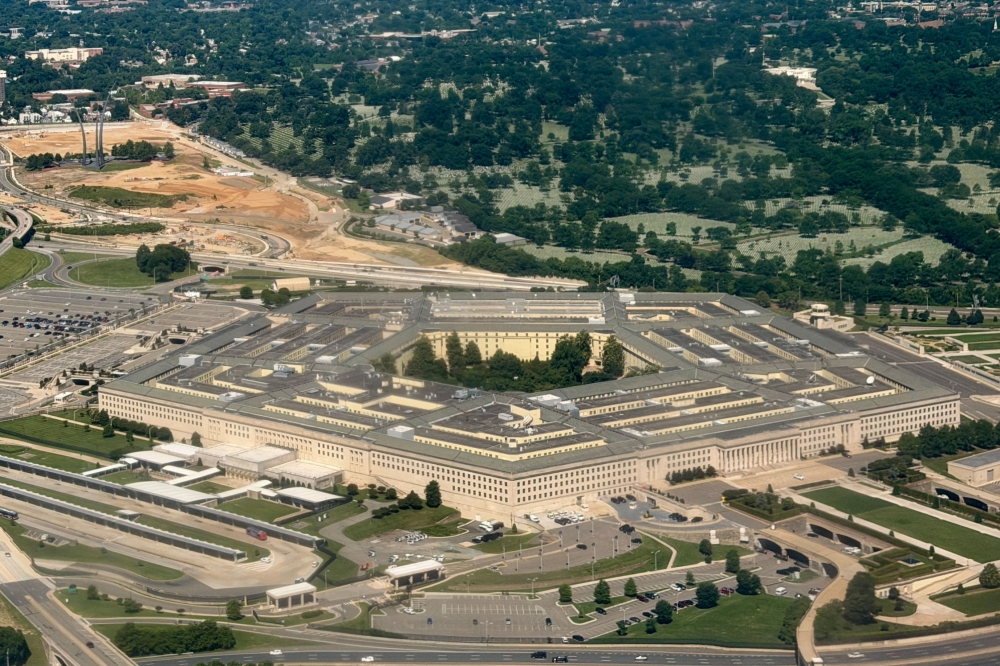
The Pentagon has reportedly increased its counterintelligence threat assessment for Israel to its highest category, following concerns over alleged intelligence-gathering activities targeting senior United States officials.
According to reports cited by AFP and NBC News, the Pentagon’s Defense Intelligence Agency has classified Israel’s capability to conduct both human intelligence operations and advanced technical surveillance as being at a “critical” level. The assessment reflects growing concerns within U.S. defense and intelligence circles regarding potential efforts to obtain sensitive information related to American policymaking.
NBC News, citing current and former U.S. officials, reported that the decision followed concerns that Israeli intelligence may have sought access to internal discussions and strategic decision-making processes within the Trump administration, particularly regarding conflicts and diplomatic developments in the Middle East.
Additional reporting from The New York Times suggested that Israeli intelligence activities may have included attempts to monitor communications involving high-ranking U.S. officials. Among those reportedly targeted were Steve Witkoff, a leading negotiator for President Donald Trump, and Elbridge Colby, a senior Pentagon policy official.
The reports emerged in the aftermath of joint military operations conducted by the United States and Israel against Iran on February 28, an action that significantly escalated tensions in the region and contributed to the outbreak of broader conflict.
At the same time, signs of friction between President Donald Trump and Israeli Prime Minister Benjamin Netanyahu have become increasingly visible. Recent reports indicate disagreements over military actions and regional strategy, particularly concerning developments in Lebanon and ongoing diplomatic efforts involving Iran.
Reuters recently reported that President Trump acknowledged calling Netanyahu “crazy” during a tense discussion regarding Israel’s military operations in Lebanon. Trump reportedly expressed concerns that such actions were complicating U.S. diplomatic initiatives and increasing instability across the region.
Earlier reports from Axios and ABC News also suggested that Trump reacted strongly to Israeli threats involving potential military action against Beirut, amid fears that escalating hostilities could undermine sensitive negotiations involving Tehran.
While neither the Pentagon nor Israeli officials have publicly provided extensive comments on the latest intelligence assessment, the reports have sparked renewed debate over intelligence-sharing, strategic trust, and the complexities of the long-standing alliance between Washington and Jerusalem.
The situation highlights the delicate balance between cooperation and caution among allies, particularly during periods of heightened geopolitical tension. As developments continue to unfold, policymakers and observers will be closely monitoring how these revelations may influence future U.S.-Israel relations and regional security dynamics.