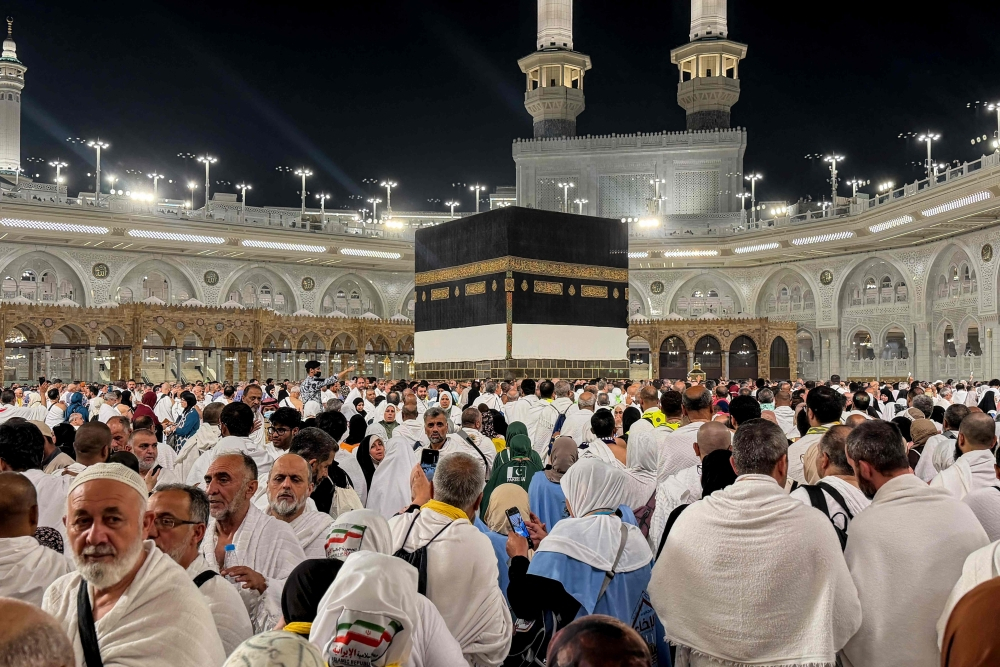
More than a million Muslims have begun gathering in Mecca, Saudi Arabia, for the annual Hajj pilgrimage, one of the most significant spiritual journeys in Islam. This year’s pilgrimage unfolds under a complex backdrop of regional uncertainty and extreme weather conditions, yet the atmosphere remains deeply rooted in faith, devotion, and unity.
Despite ongoing tensions in parts of the Middle East and concerns over past conflicts, Saudi authorities are working to ensure that the focus remains firmly on the spiritual meaning of Hajj. Security measures and strict guidelines have been put in place, including a clear ban on political slogans or sectarian expressions during the pilgrimage, aiming to preserve the sanctity of the religious gathering.
For many pilgrims, however, fear has no place in their hearts as they arrive in the holy city. A German pilgrim, Fatima, 36, shared that she felt completely at ease making the journey with her family, describing Mecca as “the safest place in the world” and saying there was never any hesitation in fulfilling this lifelong spiritual dream.
Hajj, one of the five pillars of Islam, is a mandatory religious duty for Muslims who are physically and financially able to perform it at least once in their lifetime. This year, officials report that more than 1.2 million pilgrims have already reached Saudi Arabia for the multi-day rituals that began earlier this week.
The pilgrimage has not been untouched by political sensitivities in past years, particularly between Saudi Arabia and Iran. Historical tensions, including tragic incidents during earlier pilgrimages and diplomatic breakdowns, have shaped how both nations manage the presence of Iranian pilgrims today. However, recent diplomatic efforts, including the restoration of relations in 2023, have helped ease some of these long-standing strains.
Even so, regional instability has not fully disappeared, and experts note that both sides appear committed to preventing political disputes from overshadowing the religious significance of the event. The focus, officials emphasize, remains on safety, order, and spiritual devotion.
Alongside political concerns, pilgrims are also facing another formidable challenge: extreme heat. Temperatures in Mecca are expected to exceed 40°C throughout much of the week, creating difficult conditions for the outdoor rituals. Saudi authorities have responded by expanding shaded areas, increasing medical support, and deploying thousands of healthcare workers to assist pilgrims.
In fact, more than 50,000 medical staff and around 3,000 ambulances have been mobilized to respond to heat-related emergencies and ensure the well-being of participants. These measures come after previous years saw severe heat-related fatalities, prompting a stronger emphasis on health protection and emergency preparedness.
Yet despite the physical strain and global tensions in the background, the emotional atmosphere among pilgrims remains powerful. Many describe the experience as overwhelming, humbling, and deeply meaningful.
For pilgrims like Ahmed Abo Seta, 47, the moment carries lifelong significance. “Hajj has been the dream of a lifetime for me, and it is finally coming true,” he said, reflecting the sentiment shared by many who have traveled from across the world to stand together in faith.
As the pilgrimage continues, Mecca becomes a place where differences fade into the background, and millions unite in devotion, prayer, and reflection—embracing a journey that is both physically demanding and spiritually transformative.