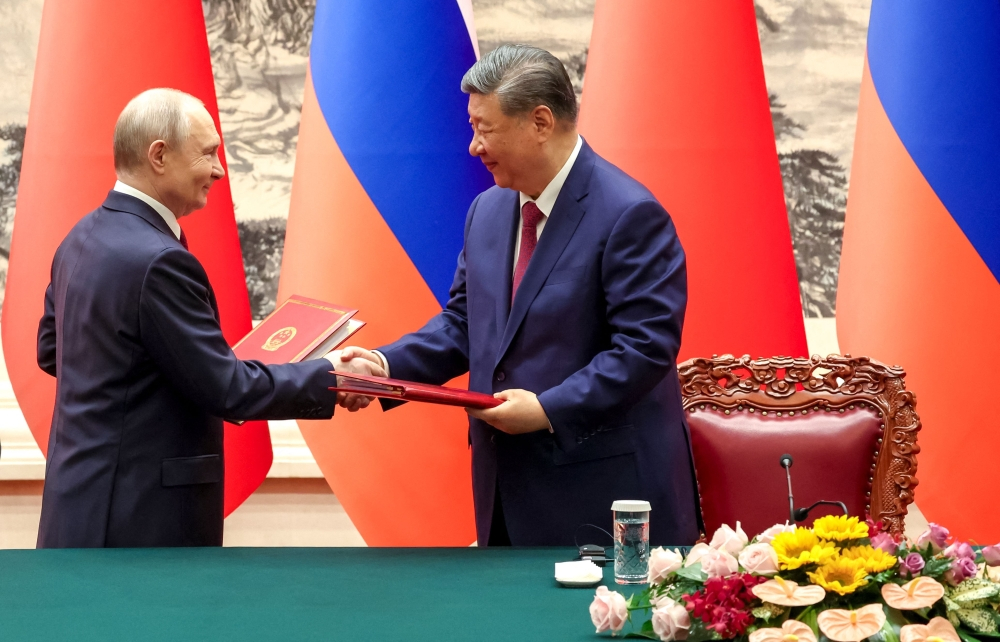
Russia and China are continuing discussions over the massive “Power of Siberia 2” gas pipeline project, but no final agreement has been signed yet despite recent high-level talks between Russian President Vladimir Putin and Chinese President Xi Jinping in Beijing.
According to the Kremlin, both countries have made progress and reached a “basic understanding” regarding the route and construction plans of the pipeline. However, important details are still under discussion, and there is currently no confirmed timeline for when the project will officially move forward.
Russia has been strongly pushing for the project, especially after its economic ties with Europe weakened following the Ukraine conflict in 2022. The country is now increasingly focusing on China as a major energy partner and export destination.
The proposed “Power of Siberia 2” pipeline is expected to transport around 50 billion cubic metres of natural gas every year. For Russia, this project is highly significant because it would redirect gas supplies that were previously sent to European markets before exports sharply declined due to geopolitical tensions and sanctions.
The planned route would stretch approximately 2,600 kilometres, starting from the Yamal Peninsula in northern Siberia, passing through Mongolia, and eventually reaching China.
While Russia sees the pipeline as a strategic economic lifeline, China has remained cautious and slower in its approach. Analysts believe Beijing is carefully weighing its long-term energy strategy and negotiating terms that best serve its interests.
The project was notably absent from the official list of agreements released after the Putin-Xi meeting, signaling that although discussions are advancing, both sides are still not fully aligned on the final terms.
Global energy markets continue to watch the negotiations closely, as the outcome of this deal could reshape energy trade routes, strengthen Russia-China economic cooperation, and impact international gas supply dynamics in the years ahead.