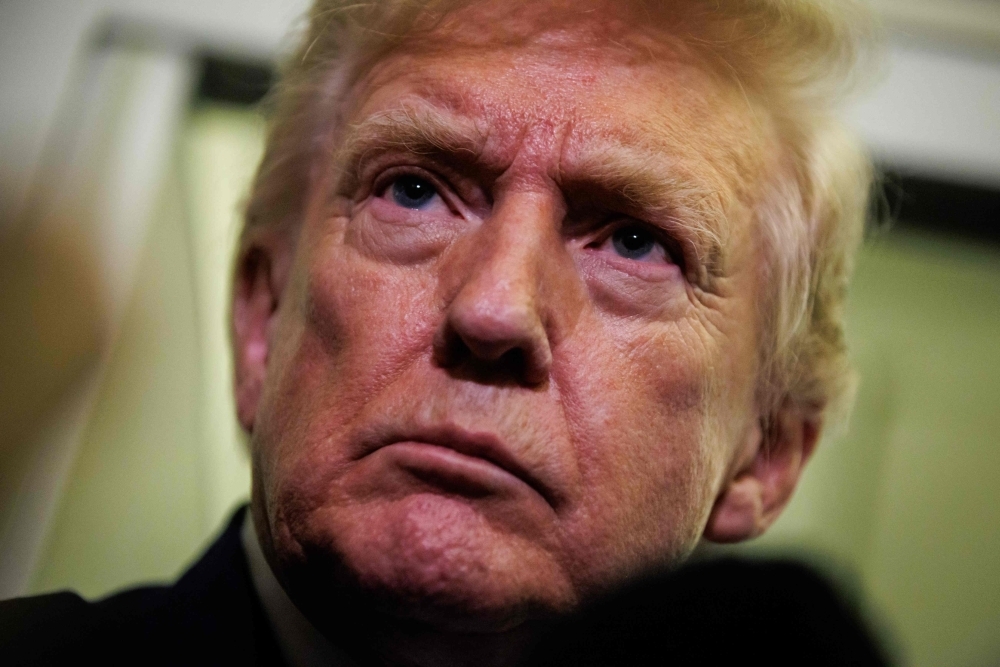
US President Donald Trump revealed that a large-scale military strike against Iran had been planned but was ultimately delayed after urgent appeals from Gulf nations seeking a diplomatic breakthrough to prevent a wider regional conflict.
According to Trump, the military operation was prepared for Tuesday after negotiations with Tehran failed to produce an immediate agreement. However, leaders from Qatar, Saudi Arabia, and the United Arab Emirates reportedly urged Washington to avoid escalating tensions while discussions continued behind closed doors.
Posting on his Truth Social platform, Trump stated that Gulf allies requested the United States “hold off” on the planned assault because serious negotiations were actively taking place. Despite postponing the strike, he emphasized that the US military remains ready to launch a full-scale operation “at a moment’s notice” if talks collapse.
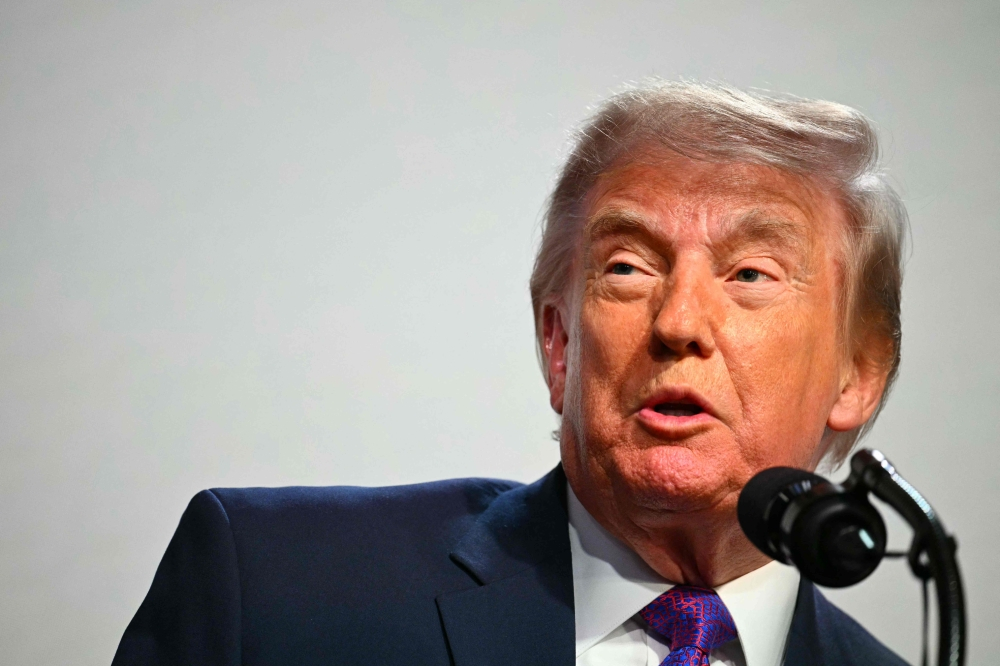
Later, during a White House appearance, Trump signaled cautious optimism about the diplomatic process. He suggested there was a realistic possibility of reaching a deal that would prevent Iran from developing nuclear weapons, an accusation Tehran continues to deny.
Trump also indicated that avoiding further destruction remains a priority if diplomacy succeeds. The ongoing conflict has become increasingly sensitive politically, with pressure mounting over the humanitarian, economic, and geopolitical consequences of another prolonged Middle East war.
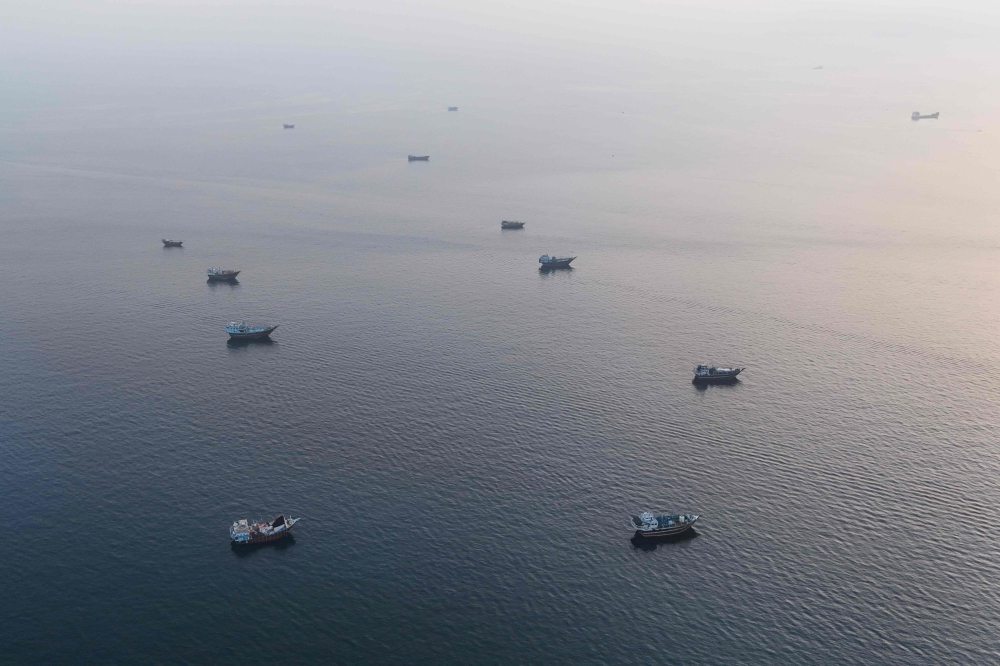
Meanwhile, Iran continues to maintain strategic leverage over the Strait of Hormuz, one of the world’s most critical energy corridors. Any disruption in the waterway has immediate effects on global oil markets, causing renewed fears over energy supply instability and rising fuel prices worldwide.
Iranian Foreign Ministry spokesman Esmaeil Baqaei confirmed that indirect communication with the United States is continuing through mediation efforts involving Pakistan. Tehran reportedly reiterated its demands, including the release of frozen Iranian assets, removal of long-standing sanctions, and compensation linked to wartime damages.
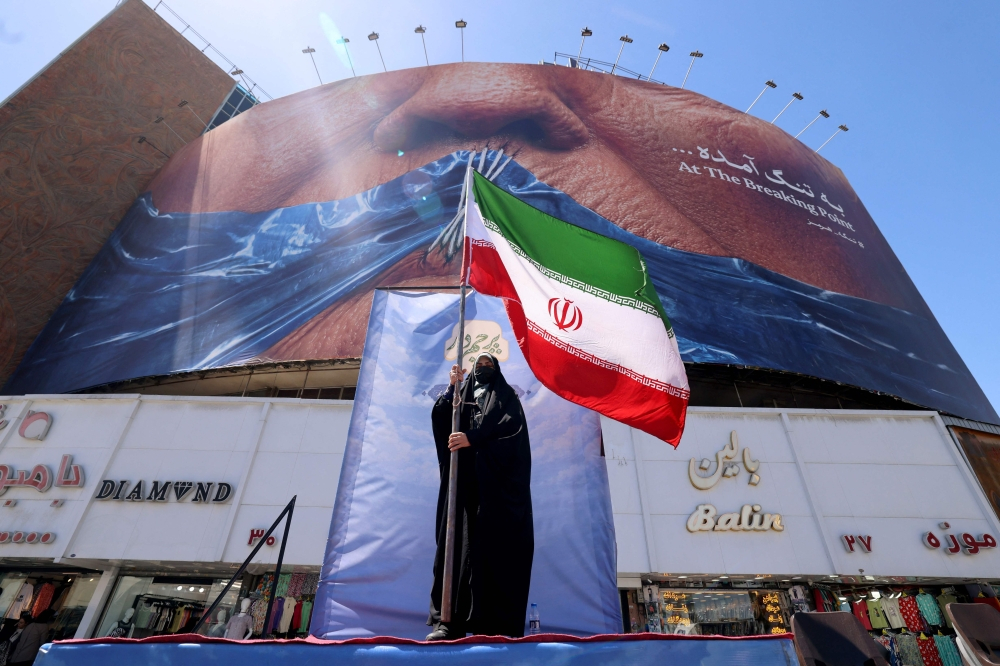
Iranian President Masoud Pezeshkian defended ongoing negotiations, saying dialogue with Washington should not be interpreted as surrender. He stressed that Iran would continue protecting its sovereignty, dignity, and national interests.
Reports from Iranian media suggest the United States proposed limiting Iran’s nuclear operations to a single facility while requiring the transfer of highly enriched uranium stockpiles to American control. While Iranian outlets claimed progress had been limited, some sources noted Washington may consider easing oil-related sanctions during negotiations.
At the same time, Tehran has strengthened its grip over the Strait of Hormuz by establishing a new administrative authority responsible for monitoring and controlling activity in the strategic passage. Iranian military officials also hinted at tighter oversight of telecommunications infrastructure and shipping operations crossing the region.
Military tensions remain dangerously high. Iran’s Revolutionary Guards announced new operations targeting groups they accused of cooperating with the United States and Israel near the Iraqi border in Kurdistan. Iranian officials claimed weapons smuggling activities were being coordinated against Tehran’s interests.
Regional anxiety intensified further after a drone strike near a nuclear facility in Abu Dhabi sparked fears of broader instability across the Gulf. Although no group officially claimed responsibility, speculation surrounding Iranian involvement added to already fragile diplomatic conditions.
Political analysts believe Trump’s decision to pause military action may serve both strategic and political goals. Experts argue the move allows Washington to maintain pressure on Iran while presenting diplomacy as the preferred path forward.
As negotiations continue, the world watches closely. Any collapse in talks could trigger direct military confrontation, threaten global energy markets, and destabilize the wider Middle East even further.