Iran has issued a strong warning to the United States, insisting Washington must either accept Tehran’s latest peace proposal or risk pushing the region deeper into uncertainty, as tensions surrounding the Strait of Hormuz continue to escalate.
The warning came after former US President Donald Trump claimed the fragile Middle East truce was “close to collapse,” raising fears of renewed conflict that could severely impact global markets, oil supply chains, and international security.
The conflict, which began more than two months ago following US-Israeli military strikes on Iran, has already shaken economies worldwide despite the ceasefire currently holding. Millions across the Middle East continue to face instability, while investors and governments remain anxious about what could happen next.
Iranian Parliament Speaker Mohammad Bagher Ghalibaf stated that Tehran’s 14-point proposal is the only realistic path toward peace. According to him, any attempt to ignore Iran’s demands would only lead to repeated diplomatic failures and mounting financial costs for the United States.
He also warned that delays in reaching an agreement would increase the burden on American taxpayers, as military spending linked to the conflict continues to rise.
The Pentagon recently revealed that the war has already cost nearly US$29 billion, significantly higher than previous estimates. Meanwhile, details surrounding the latest US proposal remain unclear, though reports suggest Washington previously offered a short framework aimed at reducing hostilities and reopening negotiations over Iran’s nuclear programme.
Iran’s foreign ministry responded with a broader proposal calling for an end to military operations across the region, including Lebanon, the removal of the US naval blockade around Iranian ports, and the release of frozen Iranian financial assets tied to international sanctions.
However, Trump strongly rejected Iran’s counteroffer, describing it as “totally unacceptable” and insisting the United States would ultimately achieve “complete victory.” His comments further increased fears that diplomacy could collapse entirely.
At the same time, Iran’s Revolutionary Guards reportedly launched military drills in Tehran to prepare for what officials described as possible actions by “American-Zionist enemies.” Iranian defence officials warned that if diplomacy fails, Washington could face another military defeat in the region.
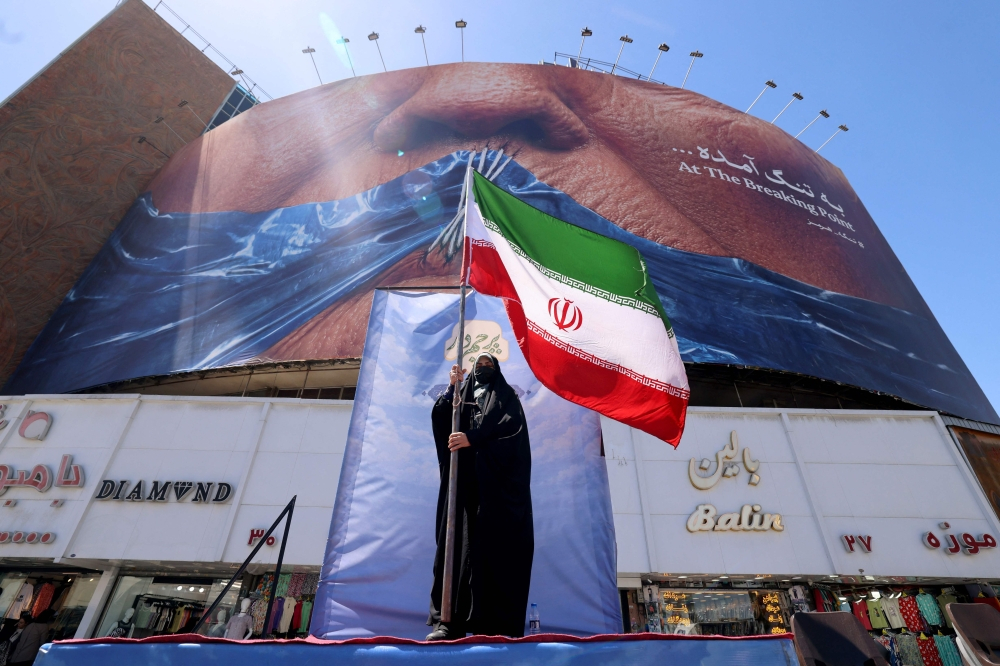
Across Iran, ordinary citizens are growing increasingly worried about the future.
Many families are struggling emotionally and financially as uncertainty continues to dominate daily life. Residents in Tehran described living one day at a time, uncertain whether peace talks will succeed or whether the region could return to full-scale conflict.
The situation has also triggered major concerns in the global energy sector. Oil prices surged following Trump’s remarks, while hopes for stabilising shipping routes through the Strait of Hormuz quickly faded.
Iran has reportedly tightened control over maritime traffic in the strategically critical waterway, which carries nearly one-fifth of the world’s oil and natural gas supplies. International energy leaders have warned that any disruption in the strait could create one of the biggest supply shocks in modern history.
According to recent intelligence assessments reported by international media, Iran still retains significant missile capabilities and has restored access to most of its missile sites along the Strait of Hormuz, increasing fears of future escalation.
Regional leaders are also expressing concern. Qatar warned Iran against using the strait as leverage against Gulf nations, while Western allies including Australia are preparing defensive missions to secure commercial shipping routes.
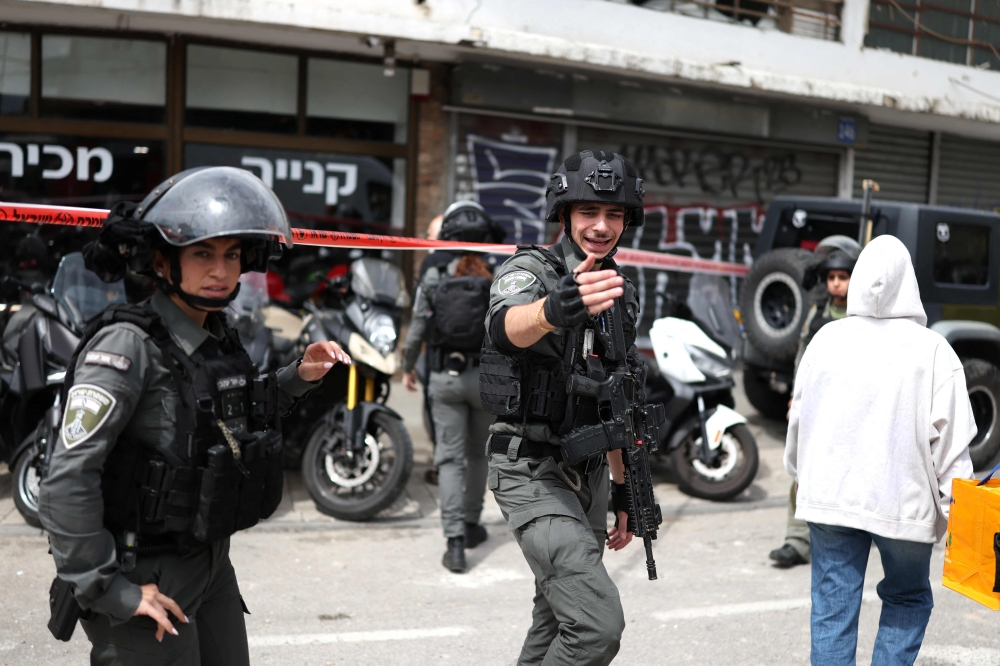
Meanwhile, violence continues beyond Iran. In Lebanon, Israeli airstrikes reportedly killed multiple people in the country’s south despite an earlier ceasefire agreement. Fighting involving Iran-backed Hezbollah has further complicated peace efforts across the region.
Hezbollah leader Naim Qassem declared that the group would not surrender its weapons and warned that the battlefield could become “hell” for Israel if attacks continue.
Political analysts believe Iran’s leadership is attempting to outlast pressure from Washington while using its current regional position to gain stronger concessions during negotiations.
As tensions grow, the world is closely watching whether diplomacy can still prevent another major escalation in the Middle East.