A newly signed preliminary agreement between the United States and Iran has raised fresh questions about the future of maritime traffic through the Strait of Hormuz, one of the world’s most strategically important shipping routes.
On Sunday, US President Donald Trump, Vice President JD Vance, and Iranian Parliament Speaker Mohammad Bagher Ghalibaf electronically signed a Memorandum of Understanding (MoU), marking the beginning of a new diplomatic effort between Washington and Tehran. The agreement is designed to pave the way for broader peace negotiations while addressing economic and security concerns that have impacted global markets.
According to senior US officials, vessels are expected to pass through the Strait of Hormuz without tolls under the proposed arrangement. However, Iranian officials have suggested that while traditional tolls may not be imposed, maritime service fees could still be charged to ships using the waterway.
The Strait of Hormuz remains a critical gateway for global energy supplies, and any restrictions or disruptions can significantly impact oil prices and international trade. Because of this, reopening and stabilizing the route has become one of the highest priorities in the ongoing negotiations.
Vice President JD Vance described the current agreement as a broad framework rather than a detailed treaty. He acknowledged that several major issues, including Iran’s nuclear program, will require extensive negotiations during the coming months.
The agreement launches a 60-day period of technical discussions intended to establish a more comprehensive peace framework. During this time, both nations are expected to address nuclear oversight, economic cooperation, sanctions, and regional security matters.
One of the most significant developments involves the return of international nuclear inspectors to Iran. According to US officials, inspectors from both the United States and the International Atomic Energy Agency (IAEA) are expected to participate in efforts to monitor and help dismantle Iran’s highly enriched uranium stockpile. This step is being presented as a central component of the agreement and a major confidence-building measure between both sides.
Economic incentives have also become a major talking point. Reports indicate that discussions include potential sanctions relief, the release of frozen Iranian assets, and the possibility of a reconstruction package that could reach up to US$300 billion. However, US officials emphasized that no funds have been released at this stage.
They stressed that any economic benefits for Iran would depend entirely on compliance with the terms of future agreements. Officials repeatedly stated that all financial measures would be linked directly to Iran’s performance and cooperation throughout the negotiation process.
The financial aspect remains politically sensitive in Washington. Critics continue to compare the current discussions with the nuclear agreement reached during former President Barack Obama’s administration, which was later abandoned by Trump in 2018.
Vice President Vance sought to reassure American audiences by emphasizing that no US taxpayer funds would be transferred directly to Iran. Instead, any future economic growth would come through increased international trade, investment opportunities, and broader reintegration into the global economy if sanctions are eased.
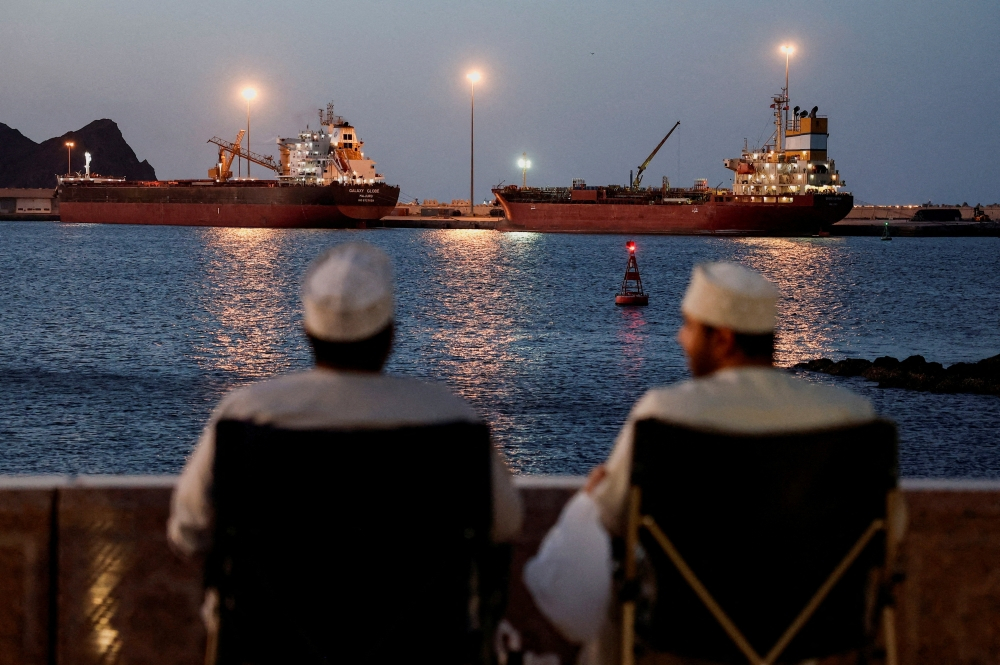
Meanwhile, shipping activity through the Strait of Hormuz is already showing signs of recovery. US officials reported a noticeable increase in vessel traffic and suggested that shipping volumes could return to normal levels within the next few weeks, provided security conditions continue to improve.
Despite the positive momentum, many important details remain unresolved. Questions surrounding maritime fees, sanctions relief, nuclear verification, and the release of frozen assets are expected to dominate upcoming negotiations.
As technical teams prepare for further talks and a formal signing ceremony anticipated in Geneva, global markets, energy producers, and international observers will be closely watching whether this preliminary agreement can evolve into a lasting and comprehensive peace arrangement.
The coming weeks may prove crucial not only for US-Iran relations but also for global energy security and economic stability.