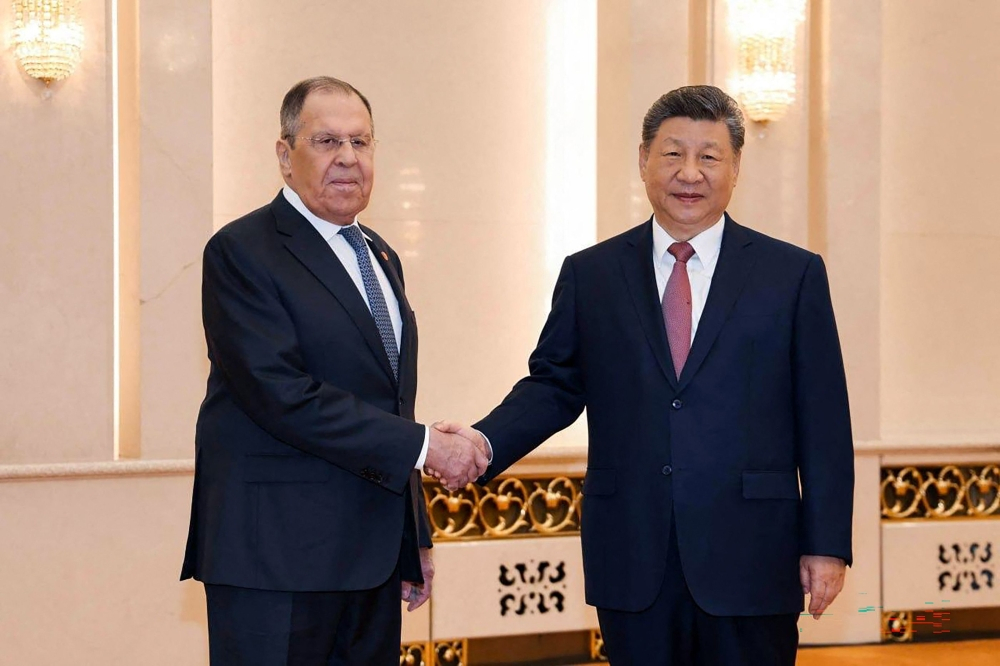
China is stepping deeper into global diplomacy as President Xi Jinping held high-level talks with Russian Foreign Minister Sergei Lavrov in Beijing, signaling a growing alignment between the two powers during a time of escalating global uncertainty.
The meeting comes as world leaders increasingly turn to China for dialogue and influence, especially as the Middle East conflict disrupts global stability and energy supplies. Among those visiting Beijing this week are Spain’s Prime Minister Pedro Sanchez, Abu Dhabi Crown Prince Mohamed bin Zayed Al Nahyan, and Vietnam’s leader To Lam—all seeking discussions with Xi during this critical moment.
Energy Crisis Drives Strategic Talks
A major concern shaping these conversations is the disruption of oil shipments through the Strait of Hormuz, a vital global energy corridor affected by the ongoing Iran-related conflict.
Lavrov stated that Russia is ready to step in and help offset China’s energy shortages, offering resources to stabilize supply chains. With China heavily reliant on imported oil, rising costs of fuel, plastics, and fertilizers are already impacting its economy.
Russia’s willingness to “compensate” for these shortages highlights a deepening economic partnership, especially as both nations navigate Western pressures and shifting geopolitical alliances.
China Positions Itself as a Peacemaker
While strengthening ties with Moscow, Xi is also projecting China as a stabilizing force in global conflicts. In meetings with Gulf and European leaders, he emphasized China’s commitment to promoting peace talks and reducing tensions in the Middle East.
Xi warned that the world is entering a period of “chaos and turmoil,” calling for stronger international cooperation. Leaders like Sanchez have welcomed China’s involvement, recognizing its growing influence in diplomatic efforts.
Experts believe countries in the Gulf region are particularly hopeful that China can use its leverage over Iran to encourage restraint and push for negotiations.
A Complex Balance of Interests
Despite closer ties, analysts note that China and Russia may not fully align on every issue. While high energy prices benefit Russia by boosting revenues—especially amid the ongoing Russia-Ukraine War—they pose challenges for China’s economic stability.
Still, both nations are committed to expanding cooperation. During the meeting at Beijing’s Great Hall of the People, Xi stressed the importance of mutual trust, strategic focus, and shared development.
Lavrov echoed this sentiment, describing China-Russia relations as a stabilizing force in global affairs.
Discussions also included broader geopolitical issues such as the US-Iran conflict, Asia-Pacific tensions, and future plans for a meeting between Xi and Russian President Vladimir Putin later this year.
A World Watching Beijing
The wave of diplomatic visits to Beijing reflects a shifting global order. Nations are increasingly engaging with China—not just as an economic powerhouse, but as a key political player capable of influencing conflicts and shaping outcomes.
As uncertainty grows, China’s role is no longer passive. It is actively positioning itself at the center of global decision-making.