The World Health Organization has raised fresh concerns over the growing affordability of sugary drinks and alcohol, warning that while these products are becoming cheaper for consumers, the cost of treating the diseases they cause is rapidly climbing.
In a statement released yesterday, the UN health agency called on governments worldwide to increase taxes on sugar-sweetened beverages and alcoholic drinks. According to the WHO, consistently low taxation in most countries is fuelling a surge in obesity, diabetes, heart disease, and various cancers, placing enormous strain on already pressured health systems.
“Weak tax systems are allowing harmful products to stay cheap, even as health systems struggle under the weight of preventable non-communicable diseases,” the WHO said. The organisation noted that although sugary drinks and alcohol generate billions of dollars in profits for corporations, governments receive only a small fraction of that revenue through health-focused taxes. As a result, societies are left paying the long-term health and economic price.
WHO Director-General Dr Tedros Adhanom Ghebreyesus stressed that taxation remains one of the most effective public health tools available. “By increasing taxes on products like tobacco, sugary drinks, and alcohol, governments can reduce harmful consumption and unlock much-needed funds for essential health services,” he said.
Speaking to reporters, Dr Tedros highlighted that for low-income countries facing shrinking aid budgets, health taxes could provide a path towards sustainable, self-funded healthcare systems. “These measures can help countries stand on their own feet and invest in long-term health resilience,” he added.
Powerful industries, tough resistance
Jeremy Farrar, WHO assistant director-general for health promotion, disease prevention, and care, pointed out that the evidence is already clear when it comes to tobacco taxes reducing consumption. Sugary drinks, he said, should be treated with the same urgency.
“This is about shifting behaviour through smart taxation,” Farrar explained, adding that higher taxes could also strengthen prevention efforts in countries grappling with a sharp rise in non-communicable diseases.
However, Dr Tedros acknowledged that implementing such taxes is not easy. “Health taxes can be politically unpopular and often face strong opposition from powerful industries with deep pockets,” he said. Still, he noted that countries such as the Philippines, the United Kingdom, and Lithuania have shown that well-designed taxes can significantly improve public health outcomes.
As part of its “3 by 35” initiative, the WHO is urging governments to raise and redesign taxes with the goal of increasing the prices of tobacco, alcohol, and sugary drinks by 2035.
Products slipping through the net
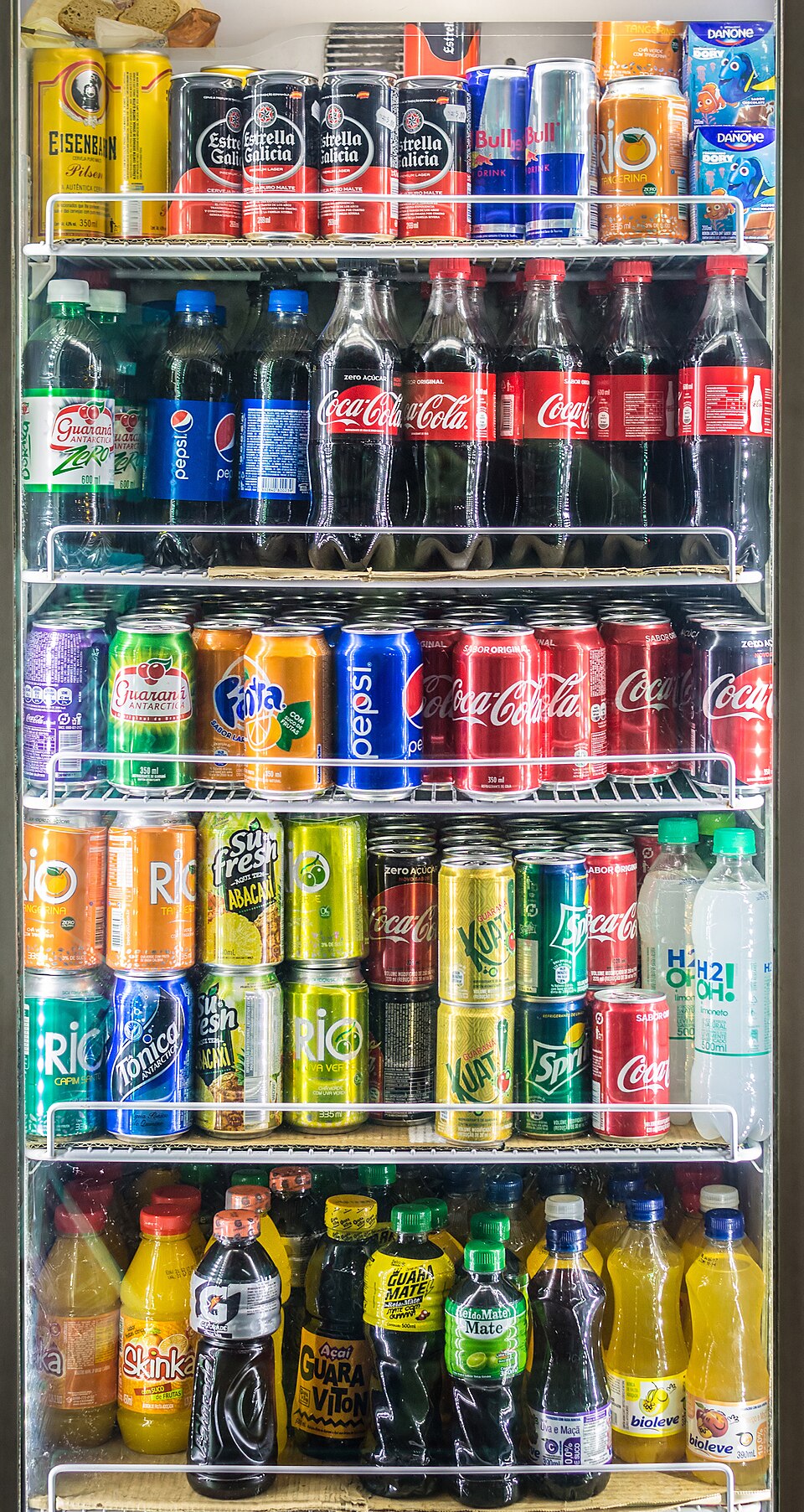
The WHO also released two global reports examining taxes on alcohol and sugar-sweetened beverages. While at least 116 countries currently tax sugary drinks like sodas, many other high-sugar products remain untaxed. These include 100 percent fruit juices, sweetened milk drinks, and ready-to-drink coffees and teas.
On alcohol, the report found that beer became more affordable in 56 countries between 2022 and 2024, while becoming less affordable in 37. Wine, meanwhile, is exempt from excise taxes in at least 25 countries, particularly across Europe.
“Excise taxes should apply to all alcoholic beverages,” the WHO said, adding that there is significant scope for better tax design and higher rates to reduce affordability and limit alcohol-related harm.
Etienne Krug, director of the WHO’s department for health determinants, promotion, and prevention, warned that cheaper alcohol fuels violence, injuries, and disease. “While industry profits grow, the public bears the health consequences and society absorbs the economic costs,” he said.