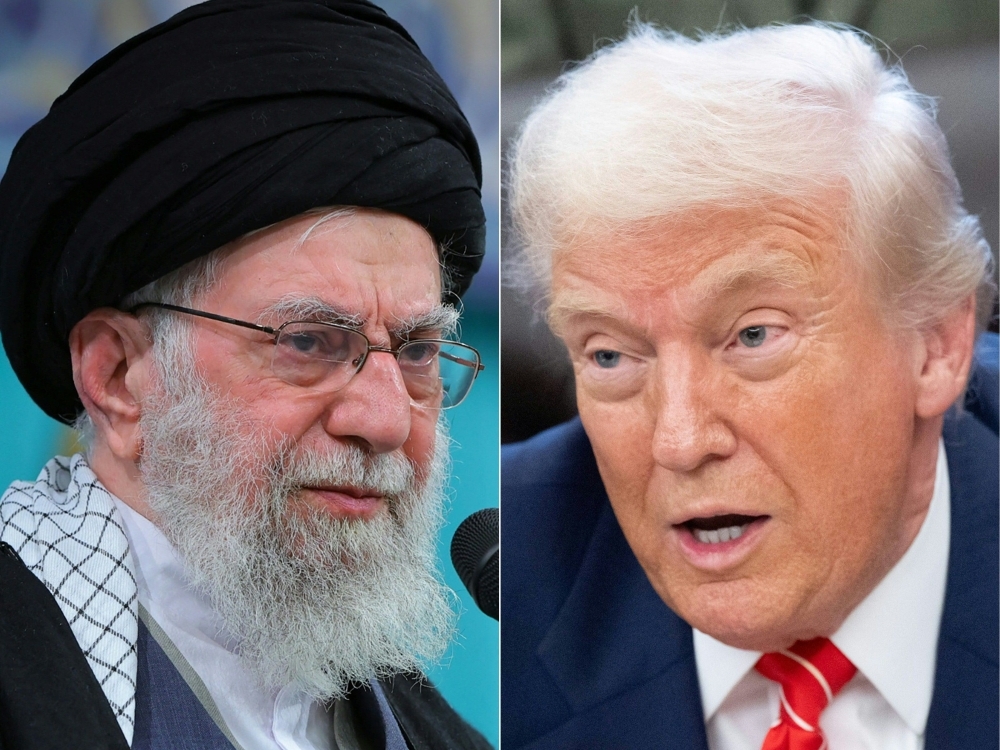
Iran and the United States are preparing for high-stakes talks in Oman, marking their first face-to-face encounter since the US joined Israel’s June strikes on Iranian nuclear sites. The discussions come amid a tense backdrop of regional uncertainty, global scrutiny, and domestic unrest in Iran.
The negotiations, confirmed late Wednesday after weeks of uncertainty over timing and location, will be led by President Donald Trump’s Middle East envoy Steve Witkoff and Iranian Foreign Minister Abbas Araghchi. Oman, which has occasionally served as a neutral intermediary, will host the discreet meeting.
Iran’s foreign ministry emphasized the importance of diplomacy, stating on Thursday evening that it had a “responsibility not to miss any opportunity to use diplomacy” to maintain peace. Tehran expressed hope that Washington would approach the talks “with responsibility, realism, and seriousness.”
The timing of the talks is sensitive. Just a month ago, Iran faced nationwide protests against its clerical leadership, which human rights groups say were met with a brutal crackdown leaving thousands dead.
“They’re negotiating,” Trump said of Iran, adding that “they don’t want us to hit them,” referring to the aircraft carrier group he described as an “armada.” In recent days, Trump’s rhetoric has shifted from immediate threats to the Iranian regime toward efforts to curb Tehran’s nuclear ambitions.
US Vice President JD Vance told SiriusXM that Trump would “keep his options open” and pursue diplomacy first, reserving military action as a last resort if negotiations fail.
Global leaders call for dialogue
The international community has urged caution. German Chancellor Friedrich Merz, speaking in Doha, called on Iran’s leadership to genuinely engage in talks, highlighting fears of a regional military escalation. Turkish President Recep Tayyip Erdogan noted that both sides seem to be “making room for diplomacy” and warned that conflict “is not the solution.”
Before the talks, disagreements arose over whether regional nations should participate and whether Iran’s missile program and support for militant groups would be on the agenda. According to the New York Times, the US agreed that the meeting would exclude other regional actors. While the focus remains on nuclear issues, discussions will likely touch on Iran’s ballistic missiles and regional proxy activities, aiming to outline a framework for a potential deal.
“Iran continues to show inflexibility toward addressing US demands, which reduces the likelihood that Iran and the United States will be able to reach a diplomatic solution,” the US-based Institute for the Study of War noted.
The shadow of conflict
Even as diplomacy unfolds, the threat of military action looms. The US has deployed a naval group led by the aircraft carrier USS Abraham Lincoln to the region, while Iran has vowed retaliation if attacked. “We are ready to defend, and it is the US president who must choose between compromise or war,” stated General Mohammad Akraminia on Iranian state television, warning that US bases in the region are within easy reach.
Tensions escalated further when Iran’s Revolutionary Guards seized two oil tankers for alleged fuel smuggling. Details about the vessels’ flags and crew nationalities remain unclear. Former Iranian foreign minister Ali Akbar Velayati, now an adviser to Supreme Leader Khamenei, said, “Iran is fully prepared to stand against any foreign threat and enemy.”