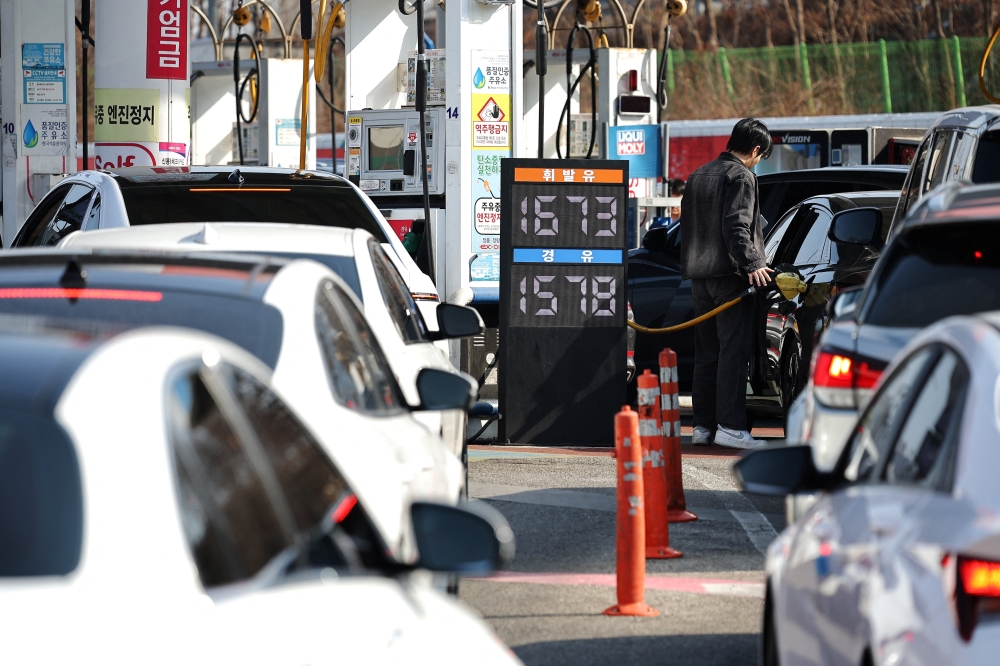
South Korea is set to receive more than 6 million barrels of crude oil from the United Arab Emirates (UAE), a move aimed at stabilizing energy prices amid rising tensions in the Middle East, according to Cheong Wa Dae on Friday. The announcement comes as the ongoing conflict between the US, Israel, and Iran has raised global concerns about an impending energy crisis.
Kang Hoon-sik, the presidential chief of staff, confirmed in a briefing that, following President Lee Jae Myung’s instructions, emergency consultations were conducted to secure crude oil supplies. As a result, South Korea will import over six million barrels, an amount equivalent to more than twice the country’s daily crude consumption.
“Seventy percent of the crude oil supplied to South Korea passes through the Strait of Hormuz, which has been effectively disrupted due to the conflict,” Kang explained. “This emergency measure is essential to stabilize domestic oil prices and secure the country’s energy needs.”
To ensure smooth delivery, two South Korean tankers will head to a UAE port that avoids the Strait of Hormuz, carrying 4 million barrels. Additionally, the UAE has pledged 2 million barrels from a joint reserve already stored in South Korea.
Beyond energy security, South Korea is taking steps to ensure the safe return of its citizens in the Middle East. A passenger flight carrying South Koreans has departed Dubai and is expected to land at Incheon International Airport by 7:30 pm Friday. Talks with the UAE have also paved the way for the resumption of commercial flights from Abu Dhabi on Saturday, alongside a chartered Korean Air flight.
Currently, 18,000 South Koreans reside across 14 Middle Eastern countries, including 4,900 short-term travelers. Among them, 3,500 are in the UAE and Qatar, waiting to return home. Kang emphasized that ongoing discussions with the UAE aim to ensure all South Korean citizens are safely brought back home as soon as possible.
This decisive action underscores South Korea’s commitment to safeguarding both its energy security and the wellbeing of its citizens abroad, showing that even amid international tensions, governments are taking proactive steps to protect their people and resources.