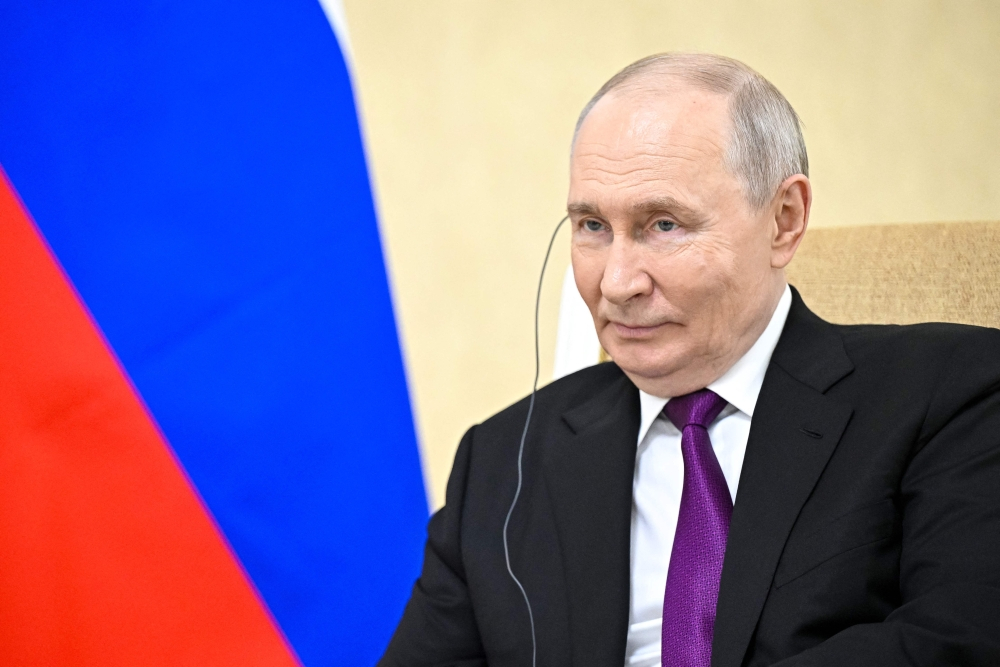
Russian President Vladimir Putin has pledged that Moscow will do everything within its power to help bring an end to the ongoing Middle East war, following a meeting with Iranian President Masoud Pezeshkian in Turkmenistan. The talks come at a time of growing regional tensions, strained international relations and renewed questions about whether diplomatic efforts can prevent further escalation.
The two leaders met ahead of a Commonwealth of Independent States (CIS) summit in Avaza, a resort on the Caspian Sea. According to Russian media reports, Putin said Russia was prepared to contribute to resolving the conflict and acknowledged what he described as Iran’s efforts to bring the fighting to an end since US-Israeli attacks began on February 28.
Putin also highlighted what he called the positive development of relations between Russia and Iran. Both countries have strengthened their diplomatic and military cooperation in recent years, particularly since Russia launched its full-scale invasion of Ukraine in February 2022. Their growing partnership has attracted international attention as the two governments navigate sanctions and mounting geopolitical pressure.
Russia and Iran strengthen strategic ties amid regional tensions
Relations between Moscow and Tehran have become increasingly significant as both countries face Western sanctions and criticism over their international activities. Their cooperation has expanded across diplomatic and military areas, making their discussions about the Middle East particularly important for regional and global observers.
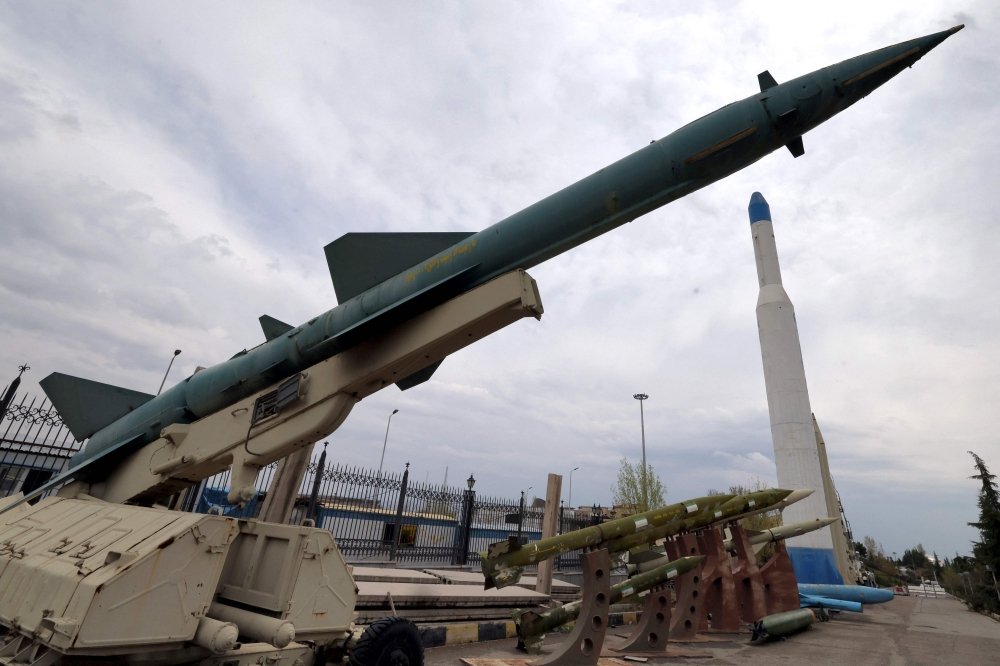
However, their relationship has also drawn allegations from Ukraine and Western governments. Iran has been accused of supplying Russia with Shahed drones and short-range missiles for use in the Ukraine conflict, while Russia has been accused of providing information to Iran for attacks against US targets in the Middle East.
These allegations underline the wider geopolitical implications of closer Russian-Iranian cooperation, particularly as conflicts in different regions become increasingly interconnected.
Putin and Pezeshkian have maintained regular contact. They met on the sidelines of a Shanghai Cooperation Organisation summit in Kyrgyzstan last month. During a telephone conversation on Wednesday, Putin also reportedly told the Iranian president that Russia was ready to help mediate efforts to end the Middle East war, according to Iran’s state news agency IRNA.
Iran-US negotiations face growing uncertainty
Putin’s offer comes as diplomatic efforts between Iran and the United States appear to have reached a difficult point. Pezeshkian said earlier this week that negotiations with Washington were “meaningless,” reflecting the challenges facing attempts to reduce tensions between the two countries.
The lack of progress raises concerns about whether diplomatic channels can deliver a breakthrough before the conflict becomes more difficult to contain. While Russia has expressed its willingness to contribute to a settlement, the effectiveness of any mediation effort will depend on the positions of the parties directly involved and their readiness to negotiate.
At the same time, efforts to end Russia’s war in Ukraine remain stalled. Both sides continue to intensify attacks despite ongoing international calls for a diplomatic solution. The parallel conflicts illustrate the difficulties facing governments seeking to reduce violence while protecting their strategic interests.
CIS summit brings regional leaders together
Putin and Pezeshkian are among the leaders expected to participate in the CIS summit, which brings together countries with historical ties to the former Soviet Union. Leaders from Armenia, Azerbaijan, Belarus, Turkmenistan and other Central Asian states are also expected to attend.
Kremlin foreign policy aide Yuri Ushakov said the Putin-Pezeshkian meeting was among several bilateral discussions planned around the summit.
Established in 1991 following the collapse of the Soviet Union, the Commonwealth of Independent States was created to maintain cooperation and institutional links among several former Soviet republics. Over the years, however, its membership and influence have changed as individual countries have pursued different political and economic priorities.
Georgia withdrew from the organisation following its 2008 war with Russia. Ukraine halted its participation after Russia’s annexation of Crimea in 2014, while Moldova left the CIS in 2023 as it moved closer to the European Union.
Russia seeks to maintain regional influence
For Moscow, the CIS remains an important platform for demonstrating its continued relationships with neighbouring countries despite its international isolation following the invasion of Ukraine in 2022.
Temur Umarov, a researcher at the Carnegie Russia Eurasia Centre in Berlin, told AFP that the organisation helps Russia demonstrate that it retains a network of regional relationships and an established sphere of influence.
Nevertheless, Russia’s influence across the former Soviet region is not uncontested. Several CIS members are seeking to broaden their economic and diplomatic partnerships, including by strengthening relations with China and Western countries.
This changing regional landscape means that participation in the organisation does not necessarily translate into agreement with Moscow’s foreign policy. Countries may continue to cooperate with Russia in selected areas while pursuing independent diplomatic positions elsewhere.
Zhanibek Arynov, a Kazakhstan-based researcher specialising in Central Asian geopolitics, told AFP that even if Russia uses the platform to promote anti-Western or anti-Ukrainian messaging, other member states will not automatically support its position.
A diplomatic offer with significant questions ahead
Putin’s promise to help end the Middle East war signals Moscow’s interest in playing a role in efforts to reduce regional tensions. His discussions with Pezeshkian also demonstrate the continuing importance of Russian-Iranian relations at a time when diplomatic options remain uncertain.
Yet a willingness to mediate does not guarantee progress. Any meaningful settlement will require engagement from the parties involved, workable diplomatic arrangements and a willingness to address the issues driving the conflict.
The wider challenge extends beyond the Middle East. With negotiations involving Iran and the United States facing difficulties, the war in Ukraine continuing and countries across Central Asia reassessing their international partnerships, diplomatic decisions made in the coming weeks could have consequences far beyond the immediate region.
For civilians affected by conflict, the priority remains an end to violence, greater stability and a credible path towards peace. Whether Russia’s offer can contribute to those goals will depend on what follows the latest round of high-level discussions.
Source: Agence France-Presse (AFP), based on reports cited in the original news report.