For many football fans, the upcoming FIFA World Cup is supposed to be a celebration of culture, pride, and unity. But for thousands of immigrants living in the United States, the excitement is mixed with fear and uncertainty due to increasing immigration enforcement activities across the country.
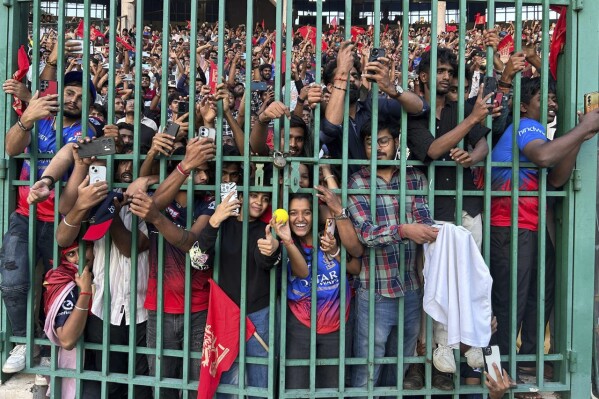
Among them is Emile, a Haitian immigrant living in Ohio, who has dreamed of witnessing Haiti play in the World Cup for the first time since 1974. While the historic qualification has filled the Haitian community with pride, Emile says he is now reconsidering attending the matches.
The truck driver, who chose not to reveal his full name, shared that singing Haiti’s national anthem inside a packed stadium would have been a once-in-a-lifetime experience. However, concerns about being detained by Immigration and Customs Enforcement officers have left him deeply uneasy.
According to Emile, his lawyer advised him against flying to matches because of fears that airport screenings or increased immigration checks could put him at risk.
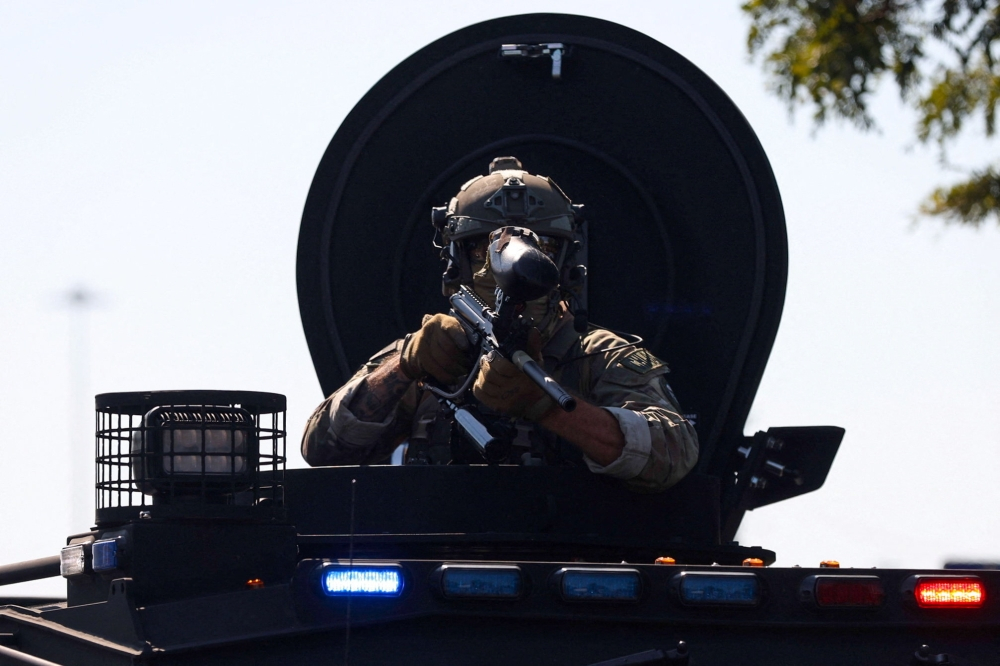
Across immigrant communities in the United States, similar concerns are growing. Many families say they feel unsafe after witnessing aggressive immigration raids and enforcement actions in several major cities. Advocacy groups claim the atmosphere has become increasingly tense, especially for individuals with temporary protective status or uncertain immigration situations.
Monica Sarmiento from the Virginia Coalition for Immigrant Rights explained that fear has spread rapidly among immigrant populations. She stated that many people are avoiding travel, public events, and even large gatherings because they worry about possible encounters with ICE officers.
She also emphasized that many individuals detained or deported reportedly have no criminal history and have spent decades living and working in the United States while contributing through taxes and community involvement.
The 2026 FIFA World Cup will see 78 matches hosted in the United States, alongside co-host nations Canada and Mexico. Cities expected to attract massive crowds include Miami, Los Angeles, Dallas, and New York — all home to large immigrant and Hispanic communities.
The Haitian community in the US, estimated at around 850,000 people, is particularly concerned as discussions continue around ending Temporary Protected Status protections for Haitians. The program currently shields many individuals from deportation despite Haiti facing ongoing political instability, economic collapse, and widespread gang violence.
Human rights organizations have also voiced concern over possible immigration enforcement near stadiums and fan zones during the tournament. Reports from advocacy groups suggest that some asylum seekers attending previous football events in the US faced detention and deportation after interactions with immigration authorities.
More than 120 civil rights organizations, including the American Civil Liberties Union, previously issued warnings highlighting risks travelers and immigrants could potentially face, including detention, profiling, and legal complications while visiting the United States.
Meanwhile, the Department of Homeland Security has maintained that international visitors entering the country legally for the World Cup should not be concerned. Officials stated that immigration enforcement focuses on individuals who are unlawfully present in the country.
World football governing body FIFA also reaffirmed its commitment to respecting internationally recognized human rights during the tournament.
As anticipation builds for one of the world’s biggest sporting events, many immigrant families remain caught between national pride and personal fear. For supporters like Emile, the World Cup represents more than football — it represents identity, belonging, and the hope of celebrating freely without fear.