
Iran’s Foreign Minister Abbas Araghchi has once again returned to Islamabad, continuing an intense round of diplomatic visits as regional mediators work behind the scenes to keep communication alive between Tehran and Washington.
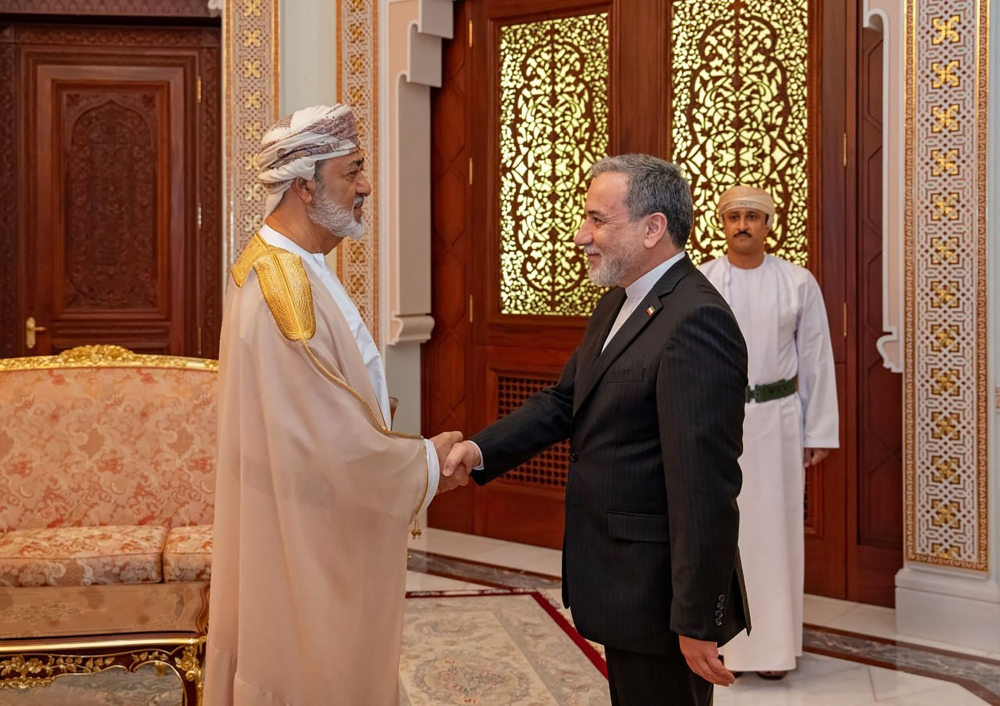
After leaving Pakistan, Araghchi made a stop in Muscat, Oman, on Saturday, and is expected to travel to Moscow on Monday for talks with Russian President Vladimir Putin. Despite this high-level movement, there are still no clear signs that direct negotiations between Iran and the United States will resume anytime soon.
Plans for US envoys Steve Witkoff and Jared Kushner to visit Islamabad were abruptly canceled after President Donald Trump dismissed the idea, saying there was little value in continuing discussions that were not progressing. Still, indirect communication channels appear to remain open.
According to Iran’s Fars news agency, Tehran has sent written messages to the US through Pakistan. These communications reportedly outline Iran’s firm positions, including its stance on nuclear matters and control over the Strait of Hormuz. However, officials clarified that these messages should not be interpreted as formal negotiations.
Meanwhile, although a ceasefire in the US-Israel conflict with Iran — which began on April 8 — continues to hold, its global impact is being strongly felt. Iran’s decision to close the Strait of Hormuz has significantly disrupted the flow of oil, natural gas, and fertilizers, triggering rising global prices and sparking concerns about economic instability and food shortages, particularly in developing countries.
Trump, facing mounting domestic pressure due to rising fuel costs and the approaching midterm elections, struck a firm tone. He stated that the United States holds a position of strength and suggested that Iran would need to initiate any further dialogue.
Despite halting the diplomatic visit, Trump clarified that this move does not signal an immediate return to military conflict. However, tensions remain high on multiple fronts.
Araghchi described his earlier meetings in Pakistan — including discussions with Prime Minister Shehbaz Sharif, Foreign Minister Ishaq Dar, and military chief Asim Munir — as “very fruitful.” Still, he expressed doubt about Washington’s commitment to genuine diplomacy.
At the same time, Iran’s Revolutionary Guards reinforced their stance on maintaining control over the Strait of Hormuz, calling it a key strategic move to assert pressure on the United States and its regional allies. In response, the US has tightened restrictions on Iranian ports, further escalating the standoff.
Iran has warned that continued actions by the United States, which it described as aggressive and unlawful, could provoke a direct response.
Elsewhere, tensions are also rising in Lebanon. Israeli Prime Minister Benjamin Netanyahu has ordered strikes against Hezbollah, accusing the group of violating a ceasefire. Hezbollah, in turn, has warned it will respond to Israeli actions and ongoing presence in Lebanese territory.
Israeli airstrikes have reportedly targeted southern Lebanon following evacuation warnings issued for several areas. Early reports indicate casualties, although details remain unclear.
Under the current ceasefire terms, Israel maintains the right to act against perceived threats, adding another layer of uncertainty to an already volatile situation.
As diplomatic efforts continue quietly in the background, the world watches closely — with economic stability, regional peace, and global security all hanging in the balance.

