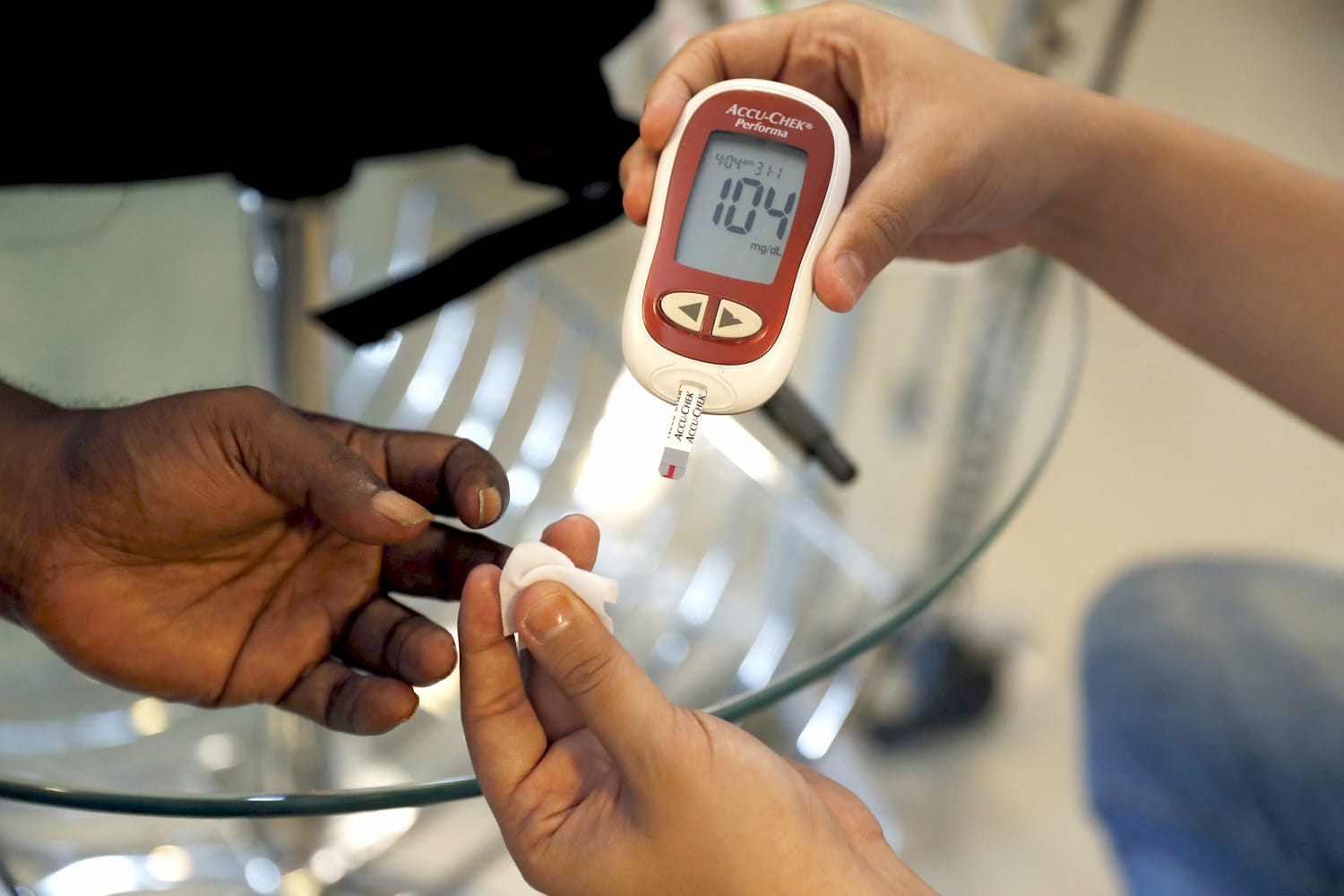
A diabetes diagnosis can bring more questions than just how to manage blood sugar. For many people, one of the biggest concerns is whether they can still secure life insurance for themselves and their families.
The good news is that having diabetes does not automatically mean you cannot buy term insurance. However, your application may go through a more detailed underwriting process. Insurers generally look beyond the diagnosis itself and assess how well the condition is managed, whether complications are present, your age, medical history, and your overall health.
Understanding what insurers look for can make the application process less confusing and help you prepare before applying.
Can a diabetic person get term insurance?
Yes. People living with diabetes can generally apply for term insurance.
The main difference is that insurers may require additional medical information before deciding whether to approve the policy and what premium to charge. Instead of looking only at whether you have diabetes, the insurer typically considers the broader picture of your health.
Factors such as blood sugar control, HbA1c levels, treatment history, duration of diabetes, medication, lifestyle, age, and any existing complications can influence the underwriting decision.
In simple terms, a diabetes diagnosis is not necessarily the deciding factor. How well the condition is managed can make a significant difference.
Type 1 and type 2 diabetes may be assessed differently
Not every diabetes case presents the same level of risk, which is why insurers may look at type 1 and type 2 diabetes differently.
Type 1 diabetes commonly begins earlier in life and generally requires insulin therapy. Because of its long-term nature and potential health risks, an insurer may conduct a more detailed assessment before offering coverage.
Type 2 diabetes is more commonly diagnosed in adulthood and can sometimes be managed through lifestyle changes, oral medication, insulin, or a combination of treatments. Applicants whose condition is well controlled and who have no significant complications may receive more favorable underwriting outcomes.
However, there is no universal rule. Every insurer can have its own underwriting guidelines.
What medical tests might be required?
A diabetic applicant may be asked to complete additional medical tests as part of the insurance assessment.
Depending on the insurer, age, coverage amount, medical history, and duration of diabetes, these may include:
Fasting blood sugar
Post-meal blood sugar
HbA1c
Lipid profile
Kidney function tests
Urine microalbumin testing
ECG
Eye examinations
Additional cardiac or specialist assessments where appropriate
These tests are not necessarily a sign that something is wrong with your application. They help the insurer understand your current health and assess the level of risk associated with providing coverage.
Having recent medical reports available can also make it easier to provide accurate information during the application process.
Why does HbA1c matter so much?
HbA1c is an important measure because it provides an indication of average blood glucose levels over roughly the previous two to three months.
For insurers, it can provide useful insight into how consistently diabetes has been managed rather than relying on a single blood sugar reading.
Generally, better-controlled diabetes may be viewed more favorably than consistently elevated blood sugar levels. But HbA1c is only one part of the assessment.
Insurers may also consider your medical history, age, duration of diabetes, medications, other test results, lifestyle factors, and whether diabetes has caused complications.
So, one HbA1c result does not automatically determine whether your application will be accepted or rejected.
Will diabetes increase your term insurance premium?
It can.
Because diabetes may increase certain long-term health risks, an insurer may charge an additional premium based on its assessment of your individual risk. This is often referred to as a premium loading.
The amount can vary considerably.
Someone with recently diagnosed, well-controlled diabetes and no significant complications may receive a different premium from someone who has had diabetes for many years and has developed related health problems.
This is why comparing quotes and underwriting outcomes from different insurers can be important. Insurance companies do not necessarily assess every diabetic applicant in exactly the same way.
What happens if diabetes has caused complications?
The underwriting process can become more detailed when diabetes is accompanied by complications.
Examples can include diabetic retinopathy, kidney-related complications such as nephropathy, or nerve damage such as neuropathy.
In such situations, an insurer may request medical reports, recent test results, or opinions from specialists before making a final decision.
Depending on the circumstances, the insurer may offer coverage at a higher premium, impose specific terms, request additional information, or decide that the application does not meet its current underwriting criteria.
A complication does not automatically mean that insurance is impossible. It simply means the insurer may need a clearer understanding of the applicant’s health.
Should you disclose diabetes if it is completely under control?
Yes. Always disclose it accurately.
This is one of the most important parts of applying for term insurance.
Someone who controls diabetes through diet, exercise, lifestyle changes, or minimal medication might assume that the condition is too minor to mention. That can be a serious mistake.
Your application should provide complete and truthful information about your medical history, treatment, medication, and diagnosed conditions as requested by the insurer.
Trying to hide diabetes does not guarantee a lower premium. More importantly, undisclosed medical information can create problems when a claim is reviewed.
The purpose of life insurance is to provide financial protection when your family needs it most. Accurate disclosure helps protect the integrity of that coverage.
What if your term insurance application is declined?
A declined application does not necessarily mean you have run out of options.
Different insurers can have different approaches to medical underwriting. A company that is uncomfortable with a particular risk may not reach the same conclusion as another insurer.
Depending on the market and your circumstances, you may be able to explore another insurer, alternative policy structures, or products designed for applicants with certain pre-existing medical conditions.
Some options may involve higher premiums, waiting periods, lower coverage, or other conditions.
The important thing is not to assume that one rejection means every insurer will reject you.
How can you improve your chances of getting suitable coverage?
Preparation can make the insurance application process much smoother.
Start by keeping your recent medical records organized. Having your HbA1c history, blood sugar reports, medication details, and other relevant medical information readily available can help you provide accurate answers.
Apply when your condition is being consistently managed rather than unnecessarily delaying the decision to purchase coverage.
Be completely honest about your medical history. Do not leave out information simply because you feel healthy or have no current symptoms.
It can also be useful to compare different insurers instead of accepting the first quotation you receive. Underwriting approaches, pricing, and eligibility criteria can vary.
And if you have recently been diagnosed with diabetes, consider discussing your insurance needs sooner rather than later. Age, medical history, and the duration of a condition can all become relevant factors in future underwriting decisions.
The bigger picture: diabetes does not have to end your insurance plans
For someone living with diabetes, applying for term insurance can feel intimidating. There may be concerns about rejection, expensive premiums, medical tests, or complicated questions about health history.
But the reality is more encouraging.
Diabetes does not automatically close the door to term insurance.
The insurer’s focus is generally on understanding the level of risk associated with your individual health profile. Good disease management, complete medical information, regular monitoring, and transparent disclosure can all help create a clearer picture for the underwriter.
Most importantly, do not wait until a health concern becomes an emergency before thinking about financial protection.
Term insurance is ultimately about protecting the people who depend on you. A medical diagnosis may change the conversation with an insurer, but it does not necessarily take away your ability to plan for your family’s financial future.
Before purchasing any policy, review the insurer’s terms carefully and consider speaking with a qualified insurance professional who can explain how your individual medical circumstances may affect eligibility, premiums, and coverage.