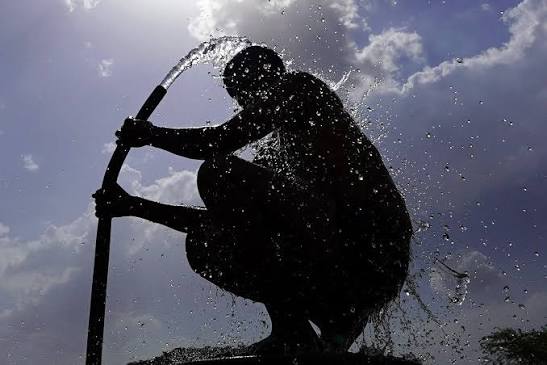
Heatwaves are no longer rare weather events. They are becoming one of the biggest public health challenges of our time. Across Europe and many other parts of the world, record-breaking temperatures are becoming increasingly common, leading to rising hospital admissions, severe health complications, and tragic loss of life.
On June 30, 2026, the World Health Organization (WHO) warned that future summers are expected to become hotter, longer, and far more intense than what previous generations experienced. The organization emphasized that heatwaves are no longer isolated incidents—they are recurring crises that communities worldwide must prepare for.
This raises an important question: Can the human body truly adapt to extreme heat?
The Human Body Can Adapt—But Only to a Certain Point
According to medical meteorologist Kathrin Graw from Germany’s national weather service (Deutscher Wetterdienst), the human body has a remarkable ability to adjust to warmer conditions over time. However, this adaptation has very clear biological limits.
As temperatures remain high for several consecutive days, the physical strain on the body increases significantly. Every additional day of extreme heat adds more stress, making it increasingly difficult for the body to regulate its temperature and recover.
One of the biggest concerns is the lack of nighttime cooling.
When nights remain unusually warm, people struggle to sleep properly. Without adequate rest, the body cannot recover from the heat exposure experienced during the day. This creates a dangerous cycle where each new day becomes even more physically demanding.
Why Long Heatwaves Are More Dangerous
Research continues to show that the duration of a heatwave matters just as much as the temperature itself.
Studies indicate that the longer a heatwave lasts, the greater the risk of serious health complications and death.
People living with cardiovascular disease are particularly vulnerable. During the first few days of a heatwave, heat-related deaths increase noticeably. However, by the eleventh and twelfth day of prolonged extreme heat, the risk rises even further, with mortality rates increasing by as much as 18 percent compared with normal weather conditions.
This demonstrates that prolonged exposure is often more dangerous than a single extremely hot day.
Seasonal Adaptation Does Happen
The good news is that the body can gradually become more accustomed to higher temperatures during the course of a summer.
This process is known as heat acclimatization.
As people experience warmer weather over several weeks, the body improves its ability to cool itself through sweating, maintain blood circulation, and regulate internal temperature more efficiently.
Weather agencies also consider this natural adjustment when issuing heat warnings. Early in the summer, heat alerts are often triggered at lower temperatures because people have not yet adapted. Later in the season, slightly higher temperatures may be tolerated before warnings are issued.
Can Humans Adapt to a Warmer Climate in the Long Term?
While seasonal adaptation is possible, experts caution against assuming humans can simply “get used to” climate change.
People living in traditionally warmer regions have generally developed lifestyles, infrastructure, and behaviors that help them manage high temperatures more effectively. As a result, some southern countries experience relatively fewer heat-related deaths than cooler northern regions.
However, experts stress that even these populations have limits.
The current pace of global warming is occurring much faster than the human body can biologically adapt. As climate change accelerates, extreme temperatures may eventually exceed the body’s natural ability to cope safely.
Who Faces the Greatest Risk?
Extreme heat does not affect everyone equally.
Some groups are especially vulnerable and require additional protection during heatwaves, including:
Older adults
Infants and young children
Pregnant women
Individuals with heart disease
People living with chronic medical conditions
Those taking medications that affect hydration or body temperature
Outdoor workers and individuals exposed to direct sunlight for extended periods
For these groups, prolonged exposure to high temperatures can quickly become life-threatening.
Staying Safe During Heatwaves
Although the body has some ability to adjust, prevention remains the best defense against extreme heat.
Health experts recommend:
Drinking plenty of water throughout the day.
Staying indoors during peak afternoon temperatures.
Wearing lightweight, breathable clothing.
Using fans or air conditioning whenever possible.
Checking regularly on elderly family members and neighbors.
Avoiding strenuous outdoor activities during extreme heat.
Recognizing early symptoms such as dizziness, confusion, excessive fatigue, nausea, or rapid heartbeat.
Preparing for a Hotter Future
Scientists agree that heatwaves are becoming more frequent, more intense, and longer-lasting as global temperatures continue to rise.
While the human body possesses impressive adaptive abilities, biology alone cannot keep pace with rapidly changing environmental conditions.
Protecting communities will require stronger public health planning, improved urban design, greater awareness, and collective action to reduce climate risks.
The message from health experts is clear: adaptation is possible—but it has limits. As the climate continues to change, preparation, education, and prevention will become more important than ever in protecting lives during extreme heat.