India’s youth-led Cockroach Janta Party (CJP) has challenged a police crackdown in New Delhi, saying key leaders were detained after entering Jantar Mantar, a landmark site long associated with public demonstrations and political dissent. The incident has intensified attention on restrictions surrounding protests and growing demands for accountability in the country’s electoral process.
The developments come amid demonstrations by opposition groups and supporters of the movement, who have taken to the streets in recent days to demand the resignation of the head of the Election Commission of India. Protesters have accused the electoral authority of manipulating voter rolls in ways they allege could benefit Prime Minister Narendra Modi’s ruling party. The Election Commission has denied wrongdoing.
At the centre of the dispute is Jantar Mantar, located in the heart of the Indian capital. For years, the site has served as a recognised gathering place for citizens, campaigners, political organisations and social movements seeking to bring public attention to their concerns. Restrictions on access to such a prominent location have therefore become a significant part of the wider debate over protest rights and political expression.
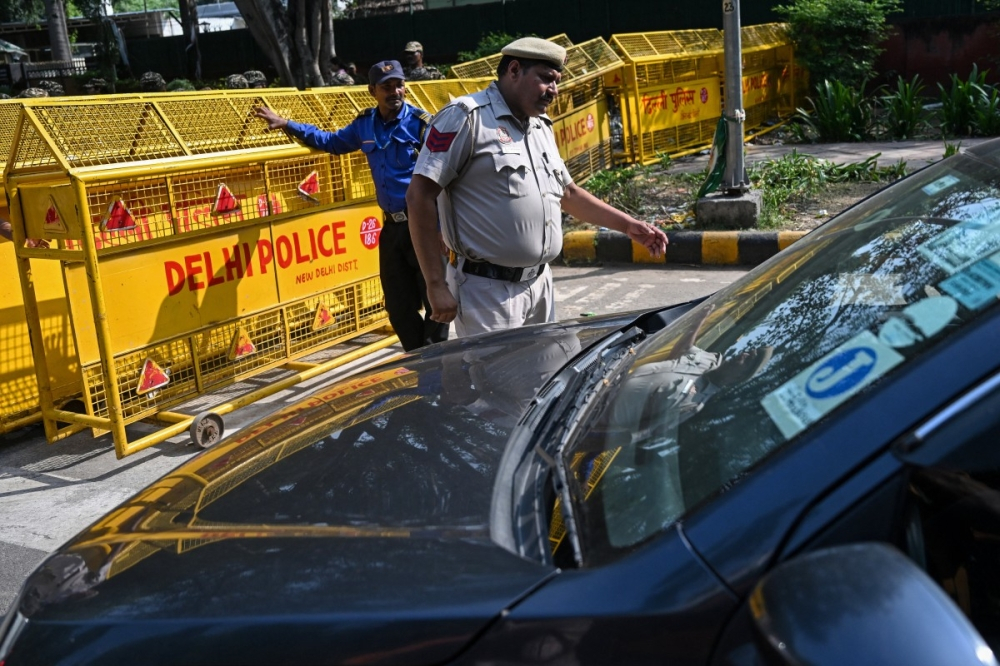
Delhi Police announced that Jantar Mantar had been removed from the list of designated official protest sites, a move that has complicated efforts by demonstrators to assemble there. The decision came amid heightened security measures as opposition groups and CJP supporters sought to continue their campaign over electoral transparency.
The party’s reported defiance of the restrictions has added another dimension to the confrontation. By attempting to enter the protest site despite the police action, CJP members have drawn attention to what they see as the importance of maintaining public spaces for peaceful political expression. The reported detention of key leaders has further raised questions about how authorities are handling demonstrations and those seeking to participate in them.
The controversy is unfolding against the backdrop of broader concerns about electoral integrity and public confidence in democratic institutions. Voter rolls are fundamental to the electoral process because they determine who can participate in elections. Allegations involving their preparation or revision can therefore become politically sensitive, particularly when opposition groups believe that the process may affect electoral fairness.
However, allegations of electoral manipulation must be assessed through credible evidence, transparent procedures and appropriate institutional scrutiny. The Election Commission’s denial of wrongdoing is an important part of the dispute, and the claims made by political groups should not be treated as established facts without supporting evidence.
The situation also highlights the difficult balance between maintaining public order and protecting the right to peaceful assembly. Authorities may impose lawful restrictions for security reasons, but decisions affecting protest locations and demonstrators can have wider implications for public participation and political accountability.
For young people involved in political movements, the ability to raise concerns publicly can be an important part of civic engagement. At the same time, peaceful conduct, clear communication and respect for the rights and safety of others remain essential during demonstrations. Transparent explanations of restrictions and detention decisions can also help reduce uncertainty and build public trust.
The phrase, “You cannot denotify the resistance,” captures the spirit of defiance expressed in the protest headline. Beyond the political confrontation, the episode raises a question that extends far beyond one protest site: how can a democracy ensure public safety while allowing citizens to challenge institutions and demand answers?
Ultimately, the significance of the Jantar Mantar dispute lies not only in who gains access to a particular location, but also in how disagreements over electoral accountability and public protest are addressed. Credible evidence, lawful procedures, peaceful participation and transparent decision-making will be crucial to ensuring that the debate proceeds without further escalation.