Yemen’s already fragile security situation has taken another dangerous turn, with Houthi rebels reporting that Saudi forces carried out around 40 airstrikes across several parts of the country. The reported attacks came shortly after the Iran-backed group launched missile and drone attacks toward Saudi territory, raising fresh concerns about another major escalation in a conflict that has repeatedly threatened regional stability.
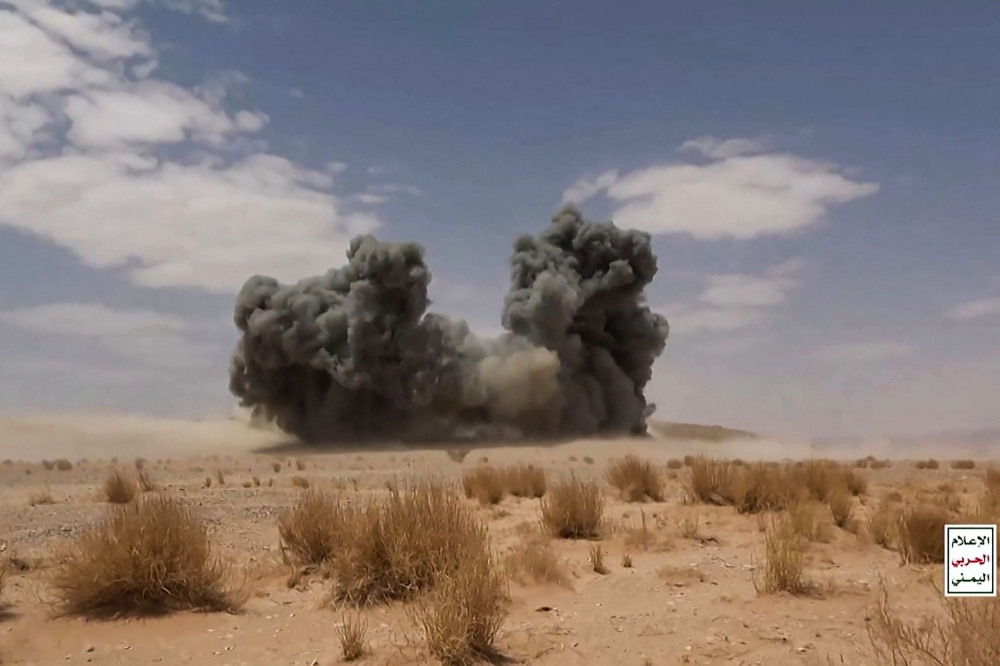
According to the Houthi news agency Saba, the Saudi air force carried out approximately 40 strikes in recent hours across the Yemeni governorates of Taiz, Hodeida, Al-Jawf and Marib. The claims could not be independently verified, but they highlight the rapidly intensifying military confrontation between the Houthis and forces aligned with Yemen’s internationally recognised government.
The latest escalation follows a large-scale Houthi offensive launched last week against Yemeni government forces, which receive support from Saudi Arabia. The fighting has added another layer of uncertainty to Yemen, a country that has experienced years of devastating conflict, humanitarian suffering and fragile periods of relative calm.
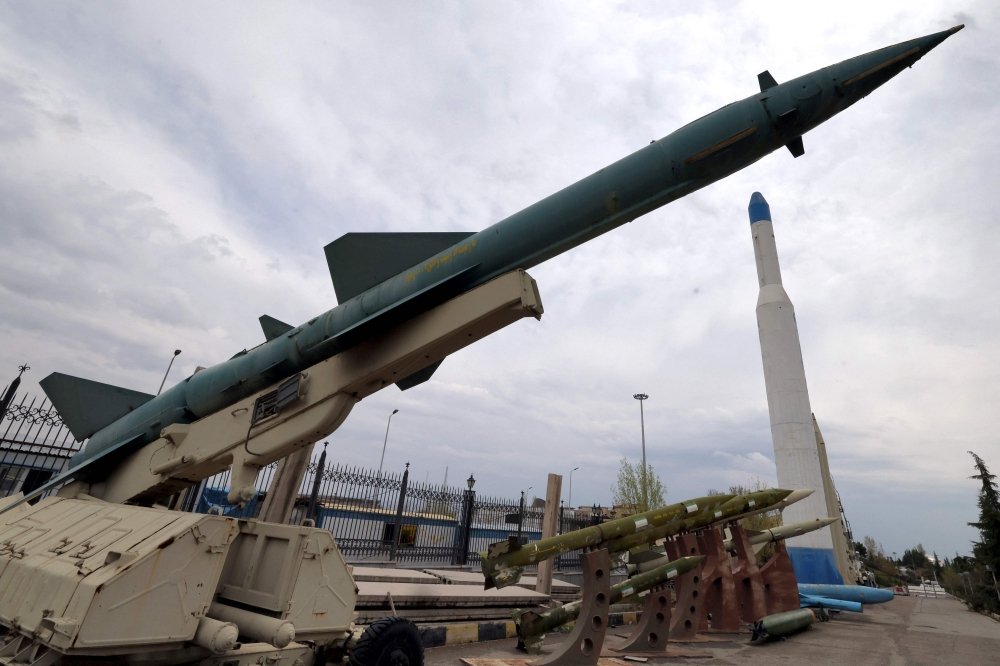
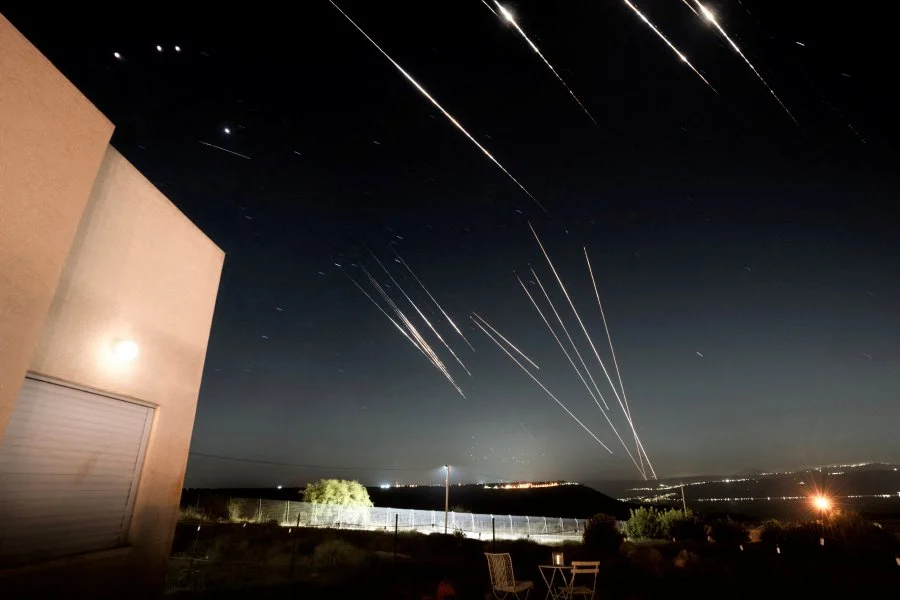
The Houthis have also carried out attacks against Saudi Arabia. Saudi authorities said the attacks involved ballistic missiles and drones directed toward several cities in the southern part of the kingdom. The attacks reportedly caused dozens of injuries, further increasing tensions along the border and putting civilian populations on alert.
On Wednesday, the Saudi-led coalition fighting the Houthis said that the rebels had launched ballistic missiles and drones toward multiple locations in southern Saudi Arabia. Saudi civil defence authorities subsequently issued warnings about potential danger in the areas around Khamis Mushait and Abha.
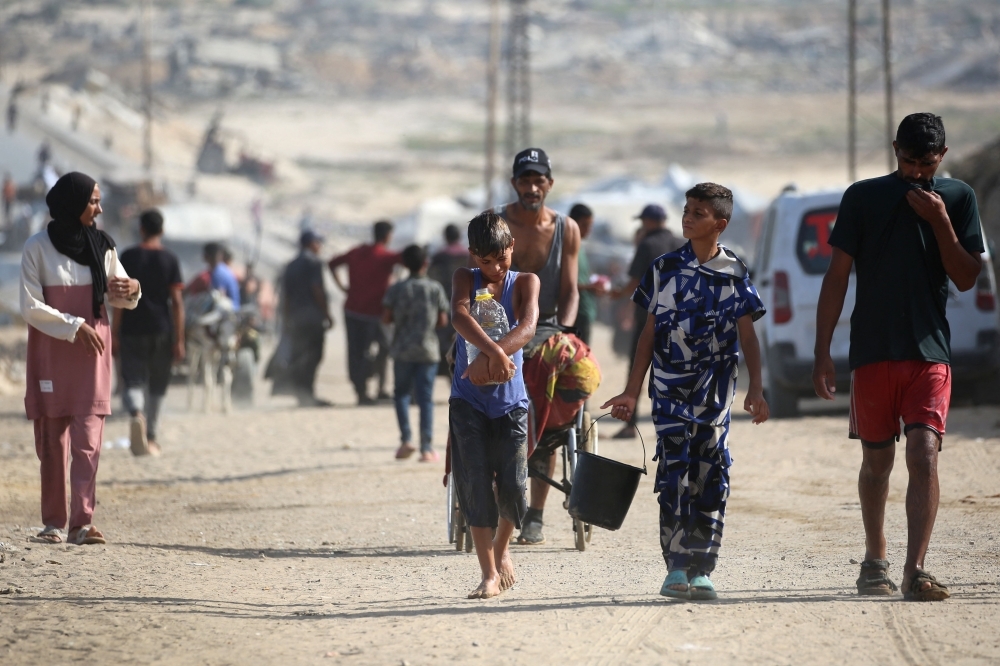
For communities living on both sides of the conflict, such developments are more than military headlines. Airstrikes, missile launches and security warnings create fear for ordinary families who have already endured years of instability. Every new escalation risks disrupting homes, businesses, schools and essential services while making an already difficult humanitarian situation even more challenging.
The strategic importance of the latest fighting is also significant. The Houthis are seeking to push toward coastal areas along the Red Sea, close to the Bab al-Mandab Strait. The narrow waterway is one of the world’s important maritime routes, connecting the Red Sea with the Gulf of Aden and forming part of a major shipping corridor between Asia and Europe through the Suez Canal.
Any prolonged instability around Bab al-Mandab could have consequences far beyond Yemen. Disruptions in this region can affect international shipping, supply chains, energy markets and the cost of transporting goods. What happens on Yemen’s battlefield can therefore quickly become an issue for businesses, governments and consumers far outside the Middle East.
The latest fighting has already produced a heavy human toll. According to an AFP tally compiled from several sources, more than 500 people have been killed since the latest round of fighting began, with most of those reported killed being combatants. Behind those numbers, however, are families facing loss, displacement and uncertainty about what comes next.
Yemen’s return to intensified warfare comes after years in which the country had experienced a period of relative calm compared with the worst phases of its civil war. The renewed violence is now unfolding within a much wider regional crisis, making it increasingly difficult to separate Yemen’s conflict from the broader geopolitical tensions involving Iran, Saudi Arabia, Israel and the United States.
The situation also demonstrates how quickly fragile peace can unravel. A period of reduced fighting can create hope that Yemen may finally be moving toward stability, but without a durable political settlement, military tensions can return with devastating speed. The latest escalation is another reminder that temporary calm is not the same as lasting peace.
For the people of Yemen, the most important question is not which side can launch more missiles or carry out more airstrikes. It is whether the region’s leaders can find a way to stop the cycle of retaliation before another generation grows up surrounded by war. Behind every military statistic is a human life, and behind every strike is a family that may have to live with its consequences long after the headlines disappear.
Yemen does not simply need another pause in fighting. It needs a path toward lasting security, political dialogue and a future in which civilians are no longer forced to measure their days by air raid warnings, missile launches and battlefield reports. As regional tensions continue to rise, the cost of failing to find that path will ultimately be paid by ordinary people.
Source: AFP