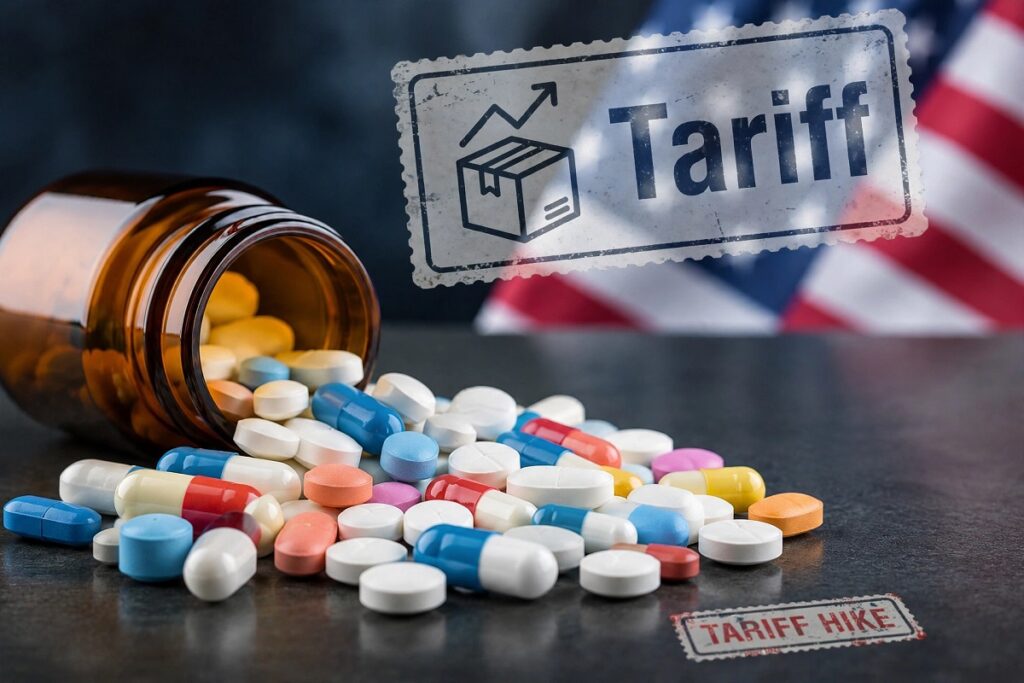
The United States is preparing to introduce significant new tariffs on imported generic medicines beginning in 2028, a move that President Donald Trump says is designed to bring pharmaceutical manufacturing back to American soil.
According to Trump’s announcement on Truth Social, generic medicines imported into the United States will continue to enjoy a zero percent tariff until August 2028. After that transition period, the tariff will increase sharply to 100 percent for one year before rising to 200 percent thereafter.
The proposed policy is intended to encourage pharmaceutical companies to establish manufacturing facilities inside the United States rather than relying on overseas production.
Trump stated that companies choosing not to invest in American manufacturing infrastructure within the given timeframe would face these higher import duties. He emphasized that the strategy is aimed at strengthening domestic production capacity while protecting the long-term interests of American consumers.
The announcement also clarified that the existing policy for patented, branded, and innovative medicines will remain unchanged.
India could face significant impact
The decision is expected to have major implications for India, widely recognized as the “pharmacy of the world” due to its large-scale production of affordable generic medicines supplied across the globe.
India remains the largest exporter of generic drugs to the United States. According to data from the Global Trade Research Initiative, pharmaceutical exports from India to the US reached approximately USD 9.7 billion in 2025, representing nearly 38 percent of India’s total pharmaceutical exports worldwide.
Indian-made generic medicines play an important role in treating millions of patients, covering conditions such as:
High blood pressure
Diabetes
Cancer
Infectious diseases
Mental health disorders
Healthcare experts and industry observers are now closely monitoring how these proposed tariffs may affect supply chains, medicine affordability, pharmaceutical investments, and future trade relations between the two countries.
Part of a broader US trade strategy
The pharmaceutical tariff proposal comes amid broader trade measures being considered by the Trump administration.
Earlier, US Trade Representative Jamieson Greer indicated that Washington was exploring new tariffs to replace earlier trade measures that had been struck down by the Supreme Court. The administration is reportedly considering tariffs ranging from 10 percent to 12.5 percent on imports from around 60 countries, including India.
US officials have stated that the strategy is based primarily on economic priorities, including concerns over trade imbalances, manufacturing competitiveness, and alleged unfair trade practices, rather than broader diplomatic considerations.
Greer emphasized that the administration intends to evaluate trade relationships based on economic interests regardless of whether a country is considered a traditional ally or competitor.
What this could mean going forward
If implemented as announced, the new tariff policy could reshape the global generic pharmaceutical market over the coming years. Pharmaceutical manufacturers may need to reassess production strategies, investment decisions, and supply chains to maintain access to the US market.
For India, whose pharmaceutical industry has long been a key supplier of affordable medicines worldwide, the proposed tariffs represent both a challenge and an opportunity to diversify export markets while strengthening international partnerships.
As governments, healthcare providers, and pharmaceutical companies evaluate the long-term impact, the coming years will likely determine how global medicine supply chains adapt to an increasingly protectionist trade environment.