The United Nations has issued a serious warning, saying that recent Israeli actions in the West Bank could amount to a “gradual de facto annexation.” The concern comes after Israel approved new measures aimed at strengthening its control over parts of the territory currently administered by the Palestinian Authority.
Addressing the UN Security Council, UN Under-Secretary-General Rosemary DiCarlo stated that unilateral steps are steadily reshaping the political and physical landscape of the West Bank. According to her, if fully implemented, these measures could significantly expand Israeli civil authority in areas considered sensitive, including Hebron.
She cautioned that the new policies may reduce bureaucratic barriers for settlements, potentially making it easier for land purchases and construction permits — developments that could further entrench Israeli presence in the occupied territory.
What Is Changing on the Ground?
Under the Oslo Accords signed in the 1990s, the West Bank was divided into three administrative zones:
-
Area A: Full Palestinian civil and security control
-
Area B: Palestinian civil control with joint Israeli-Palestinian security oversight
-
Area C: Full Israeli civil and security control
The current measures appear to increase Israeli authority even in areas where the Palestinian Authority has been exercising limited autonomy.
For many Palestinians, the West Bank represents the core territory of any future independent state. However, several political factions in Israel consider the region historically and religiously integral to Israel.
Global Reactions Intensify
Diplomatic tensions escalated as 85 UN member states issued a joint statement condemning what they described as unilateral actions expanding Israel’s presence in the West Bank.
Israeli Foreign Minister Gideon Sa’ar defended his country’s position, arguing that the Jewish historical connection to the land cannot be ignored and rejecting claims that Israeli presence violates international law.
On the other side, Palestinian Ambassador to the UN Riyad Mansour criticized what he described as a colonial narrative driving illegal policies. He emphasized the human and political consequences for Palestinians living under increasing restrictions.
Britain’s Foreign Secretary Yvette Cooper urged international leaders to act swiftly to prevent further destabilisation. She also raised concerns about economic pressures on the Palestinian Authority, including withheld tax revenues.
A Broader Diplomatic Shift
The Security Council meeting was reportedly moved forward ahead of former US President Donald Trump’s planned gathering of his so-called “Board of Peace” in Washington.
Initially intended to oversee the Gaza truce and reconstruction efforts after conflict between Hamas and Israel, the board’s mandate has reportedly expanded to broader international conflict resolution. This shift has sparked speculation about parallel diplomatic structures potentially rivaling traditional UN processes.
US Ambassador Mike Waltz defended the initiative, stating that the board focuses on action rather than rhetoric. Notably, the United Nations will not be represented at the meeting.
Why This Matters
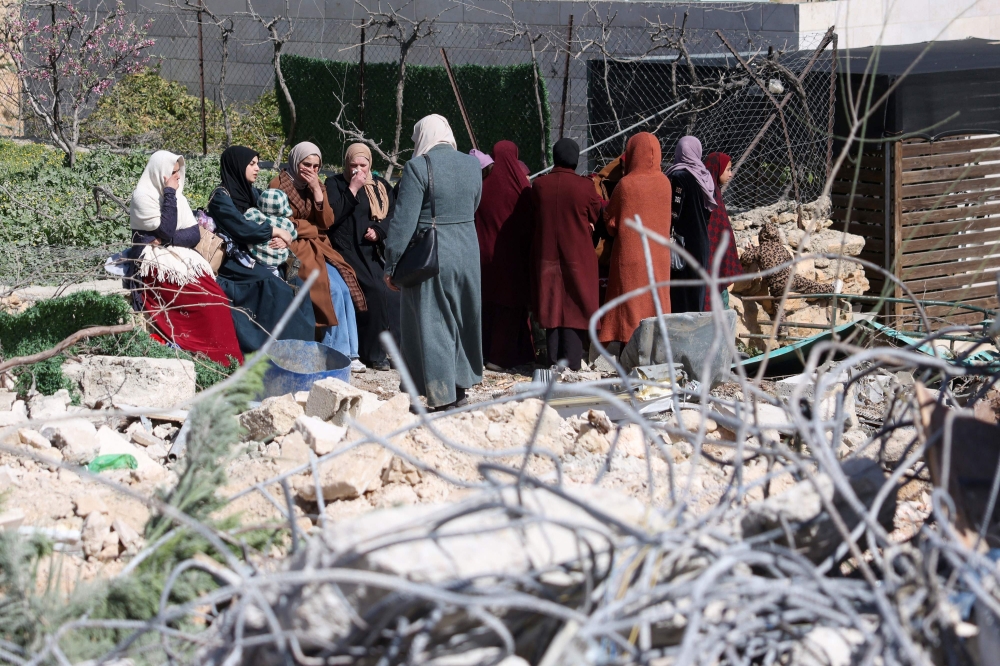
Beyond political statements and diplomatic exchanges, the developments carry real consequences for millions of people living in the West Bank. Each policy decision affects mobility, economic stability, housing rights, and the long-term prospects for peace.
At its heart, this is not just a geopolitical issue — it is a deeply human story about identity, land, security, and hope. Families on both sides continue to live under uncertainty, and every new policy reshapes their daily reality.
The warning from the UN underscores a growing concern within the international community: that incremental changes on the ground could permanently alter the possibility of a negotiated two-state solution.
As tensions rise and diplomatic maneuvering continues, the world watches closely — not just for political outcomes, but for the human cost of decisions made far from ordinary homes and streets.