Ukraine is preparing for a potentially transformative year in defence exports, with projections reaching several billion dollars as the country begins authorizing wartime foreign sales for the first time. The move comes as Kyiv also considers introducing a tax on these exports, according to a senior Ukrainian defence official.
Earlier this month, the state commission responsible for wartime export licences approved the majority of 40 applications from Ukraine’s defence sector producers to export military materiel and services. Davyd Aloian, deputy secretary of Kyiv’s National Security and Defence Council, told Reuters that this marks a crucial step in leveraging Ukraine’s growing defence capabilities.
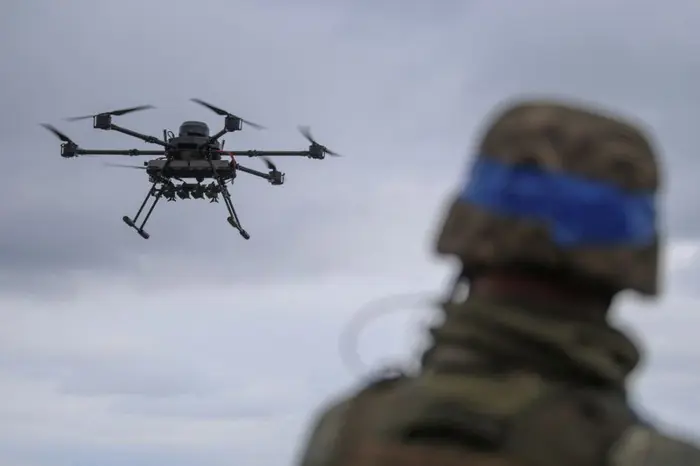
Ukraine had halted weapons exports following Russia’s invasion in February 2022, relying heavily on allies for arms supplies. During this period, Kyiv invested heavily in developing its own armaments industry, particularly in drones and missile technology. The country’s battlefield experience has fueled a remarkable defence technology boom in recent years, positioning Ukraine as a potential global player in military exports.
“Taking into account ready-made products, spare parts, components, and services that can be provided, we’re looking at several billion dollars this year,” Aloian said. While this represents a significant increase from pre-war exports, he emphasized that Ukraine’s own military needs will remain the top priority, especially as Russian troops continue to advance in the east and airstrikes threaten towns far from the frontline.
Foreign Interest and Partnerships
Allies have shown strong interest in Ukraine’s defence technology, including Germany, the United Kingdom, the United States, Nordic countries, three Middle Eastern nations, and at least one Asian country. One Middle Eastern partner, which has a long history of arms trade with Ukraine, is particularly interested in drones and heavy vehicles.
Priority for exports will be given to countries that have been steadfast supporters of Ukraine in the war. Aloian also highlighted the government’s strategy to focus on joint ventures and cooperation, rather than simply exporting ready-made products. This approach aims to attract foreign investment, create new supply chains for the frontline, and gain access to advanced technologies.
Defence manufacturers have been pressing Kyiv to resume exports, warning that delays could risk missing global market opportunities. Many have even established subsidiaries abroad to maintain a presence.
“There is no desire to lock all manufacturers inside the country. Our focus is on the frontline and national interests first, then commercial interests,” Aloian said.
Export Tax Consideration
Ukraine is also weighing the introduction of an export tax for defence producers. While a final decision has not been made, the measure could generate revenue to fund Ukraine’s under-resourced military needs.
Of the recently approved applications, none involve the export of ready-to-use weapons. Most are aimed at reimporting arms to Ukraine for frontline use, including equipment for the Ukraine-U.S. FrankenSAM program, which combines Soviet-era systems with Western missiles to develop new surface-to-air capabilities.