U.S. Trade Representative Jamieson Greer indicated on Tuesday that South Africa could receive “different treatment” than other African nations if the U.S. chooses to extend its trade initiative with sub-Saharan countries, which expired in September.
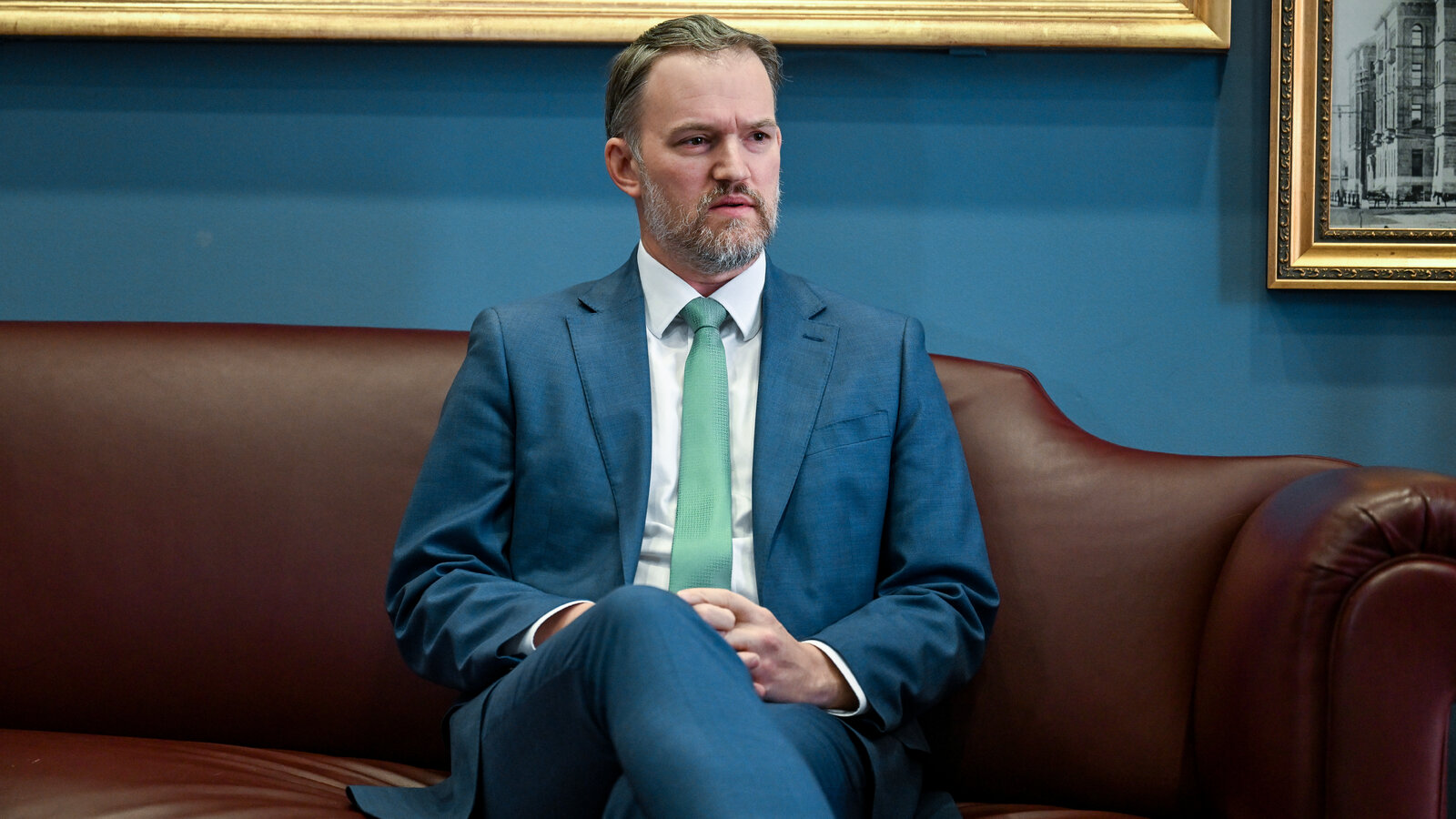
Speaking at a Senate Appropriations subcommittee hearing, Greer emphasized that while the Trump administration supports a one-year extension of the African Growth and Opportunity Act (AGOA), South Africa presents a unique situation. He suggested that Congress could consider excluding the country from the initiative if necessary.
“If you think that we should give South Africa different treatment, I’m open to that because I think they are a unique problem,” Greer said when asked about separating South Africa from any AGOA extension.
Greer also highlighted that South Africa needs to lower tariffs and remove non-tariff barriers on American goods if it expects the U.S. to ease its 30% duties on South African products.
Relations between the U.S. and South Africa, the continent’s most developed economy, have been strained in recent months. Washington boycotted a G20 summit held in Pretoria last month and announced that South Africa would be excluded from next year’s G20 summit in Miami.
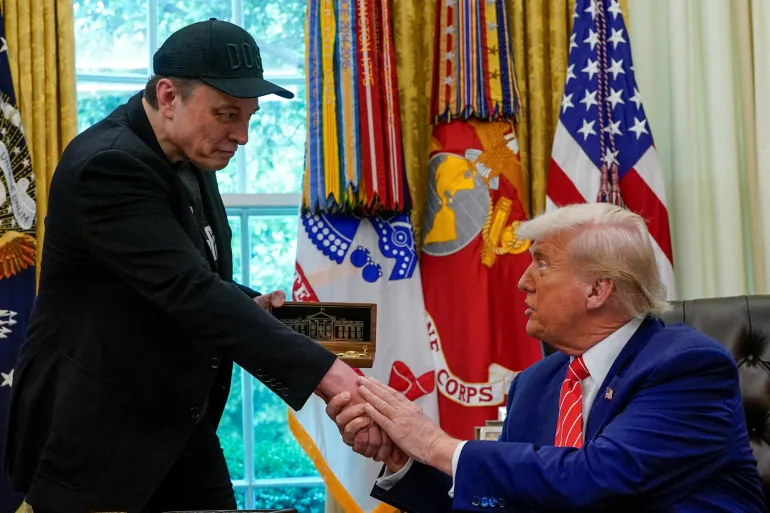
Adding to tensions, Secretary of State Marco Rubio recently accused South Africa’s government of discrimination against white citizens—a claim echoed by President Trump but widely criticized and discredited.
Greer stressed that South Africa’s trade barriers are significant. “They’re a big economy, right? They have an industrial base. They have an agricultural base; they should be buying things from the United States,” he noted. In August, Trump imposed a 30% tariff on imports from South Africa after several trade proposals from Pretoria went unanswered by U.S. officials.
The one-year AGOA extension, first introduced in 2000 to provide duty-free access to the U.S. market for thousands of products, would give Washington and Congress time to review and potentially improve trade relations with African nations while addressing South Africa’s specific challenges.