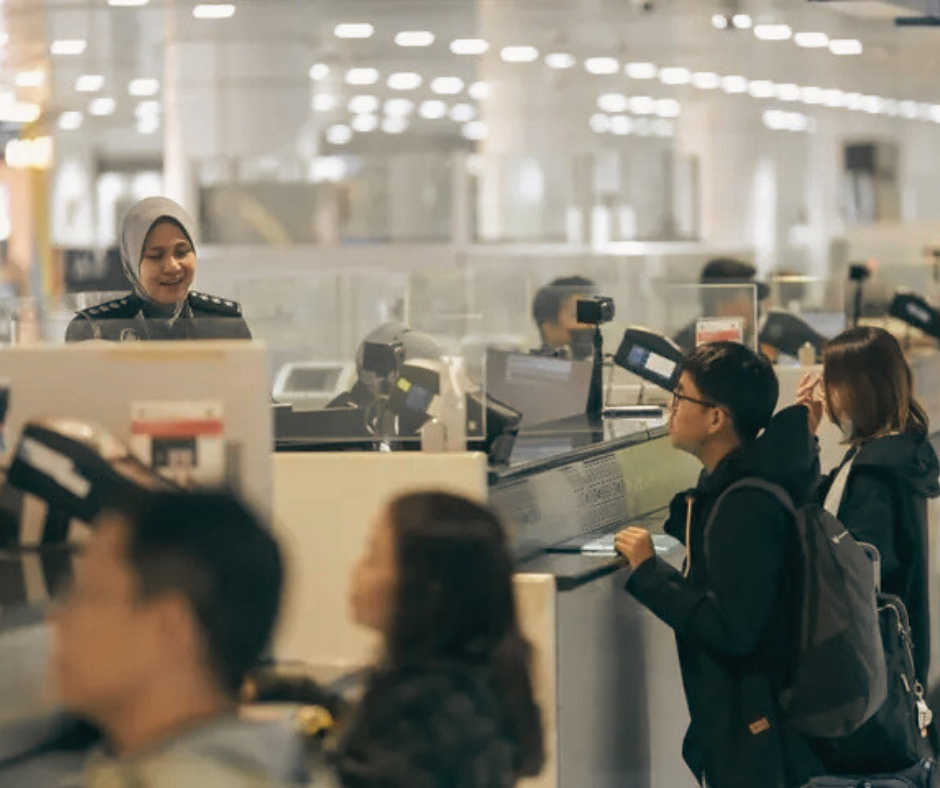
Mediators Egypt, Qatar, and six other Muslim-majority nations have voiced deep concern after Israel announced plans to open the Rafah crossing one-way, allowing only Palestinians to leave Gaza. The move, they warn, risks creating irreversible displacement at a time when the region is already facing immense humanitarian strain.
In a joint statement, the foreign ministers of Egypt, Indonesia, Jordan, Pakistan, Qatar, Saudi Arabia, Turkey, and the United Arab Emirates stated they were “deeply concerned” by Israel’s declaration that it would open Rafah solely for outbound movement. They stressed that such an action could force Palestinians out of their homeland under the guise of controlled movement.
The ministers reiterated their absolute rejection of any attempt to expel Palestinians from their land, emphasizing that no resident of Gaza should be pressured, coerced, or compelled to leave. They called for the Rafah crossing to operate in both directions, aligning with what has been outlined in international dialogue and past diplomatic frameworks.
Israel revealed on Wednesday that the crossing would be opened to allow Gazans to exit “in the coming days.” Yet, Egypt responded swiftly and firmly, denying any agreement on a one-way arrangement and underscoring that any reopening must ensure two-way access.
Reopening Rafah has long been highlighted in international proposals, including past U.S. peace frameworks, as well as by UN agencies and humanitarian organizations who view two-way access as essential for aid, medical evacuations, and civilian mobility.
However, since the October ceasefire, Israeli authorities have not moved forward, citing unresolved issues including Hamas’s failure to return the bodies of all hostages and the need for logistical coordination with Egypt.
Beyond the politics and headlines, this is a human story.
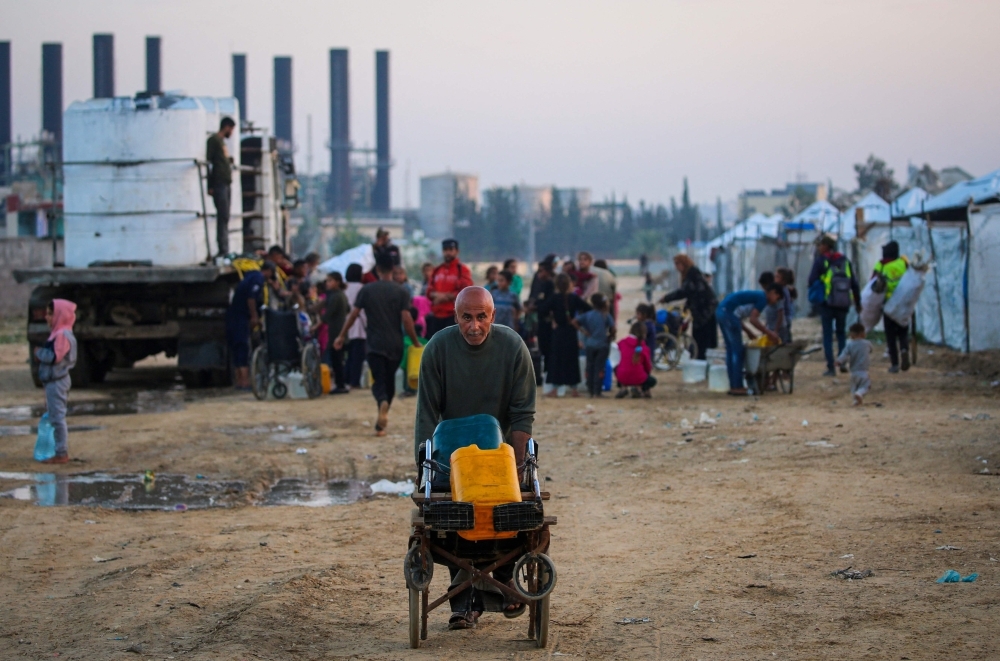
Families are desperate for safety, parents are fighting to keep their children alive, and communities are clinging to any glimmer of normalcy. Decisions at border crossings are not just policy—but lifelines. As leaders negotiate corridors and conditions, people on the ground continue to navigate fear, uncertainty, and the hope that humanity will prevail over conflict.