Iran has put forward a new proposal to the United States that could see the strategically important Strait of Hormuz reopen to normal maritime traffic within seven days, provided Washington agrees to Tehran’s conditions.
Iranian Foreign Minister Abbas Araghchi announced the proposal at the United Nations in New York, saying the plan had been communicated to the United States through Qatar. According to Araghchi, the timetable for reopening the waterway could begin once the necessary conditions are accepted.
The announcement comes as diplomatic contacts between Washington and Tehran continue against the backdrop of the wider Middle East conflict. Araghchi also met with Steve Witkoff, an envoy for US President Donald Trump, earlier in the week. Qatar has been helping facilitate communication between the two sides.
Araghchi said Iran would restore normal passage through the strait within seven days if the conditions of the proposal are met. He also stressed that Tehran would not accept what it describes as coercion, threats or pressure, framing the proposal around Iran’s position on its sovereignty and security.
Details reported about the proposed arrangement indicate that it could involve a seven-day halt to hostilities across the Middle East, including Lebanon. Other reported conditions include the release of frozen Iranian assets, the easing or lifting of sanctions affecting Iranian oil exports and an end to the US naval blockade of Iran. Iranian officials have also indicated that developments involving Yemen could form part of the broader discussions.
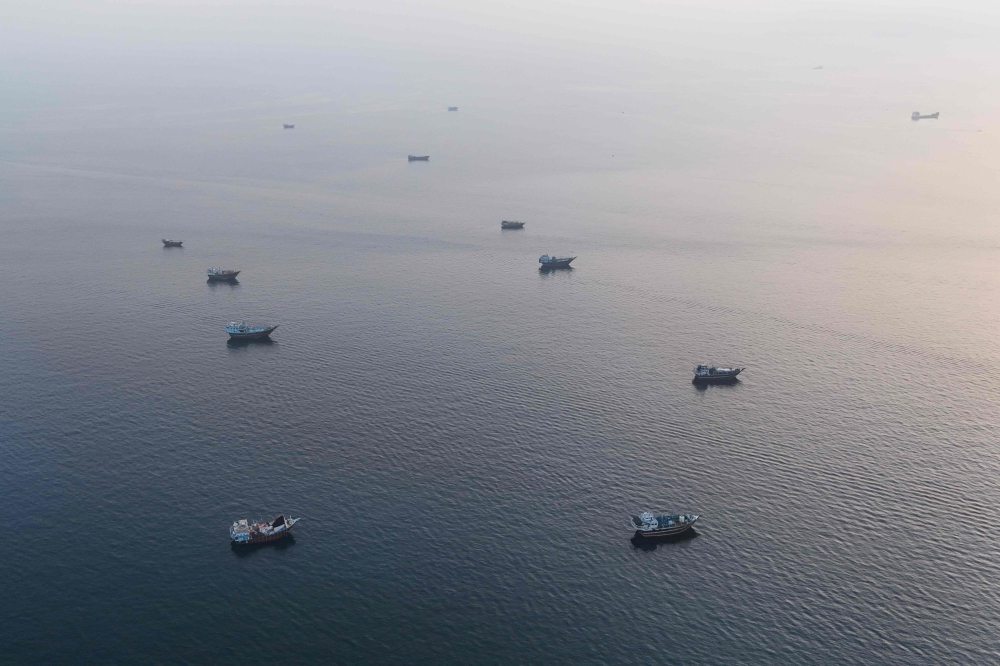
The Strait of Hormuz is at the centre of the dispute because of its importance to global energy transportation. Any sustained disruption to shipping through the waterway can affect oil and gas movements, shipping costs, insurance rates and wider supply chains. Recent reporting has shown that vessel traffic through the strait has fallen sharply during the conflict, adding to concerns across energy and shipping markets.
The latest proposal also follows an earlier understanding between Iran and the United States that was intended to help end hostilities, reopen the waterway and create a pathway toward renewed discussions over Iran’s nuclear programme. That arrangement subsequently broke down, leaving the two countries without a lasting agreement.
Iran has maintained that ships passing through the Strait of Hormuz should comply with its requirements for authorisation, citing security and sovereignty concerns. The United States, meanwhile, has maintained military pressure in the region, while shipping movements through the waterway have remained heavily affected by the conflict.
For businesses, governments and ordinary consumers far beyond the Gulf, the situation is not simply about diplomacy. The Strait of Hormuz is closely connected to the movement of energy around the world. A meaningful reopening could potentially improve the flow of maritime trade, while continued restrictions could keep pressure on transportation, energy markets and supply chains.
As of the latest reports, the United States had not publicly accepted Iran’s seven-day proposal. The plan therefore remains a proposal rather than a confirmed agreement, and its implementation would depend on whether Washington and Tehran can reach an understanding on the conditions involved.
Behind the diplomatic statements and political negotiations, there is a very human reality: when a major shipping route is disrupted, the consequences can travel much farther than the countries involved. Higher transportation costs, energy uncertainty and disrupted supply chains can eventually reach businesses and households around the world. Iran’s latest proposal has therefore placed the Strait of Hormuz back at the centre of international attention, with the next steps depending on whether diplomacy can turn the seven-day proposal into a workable agreement.