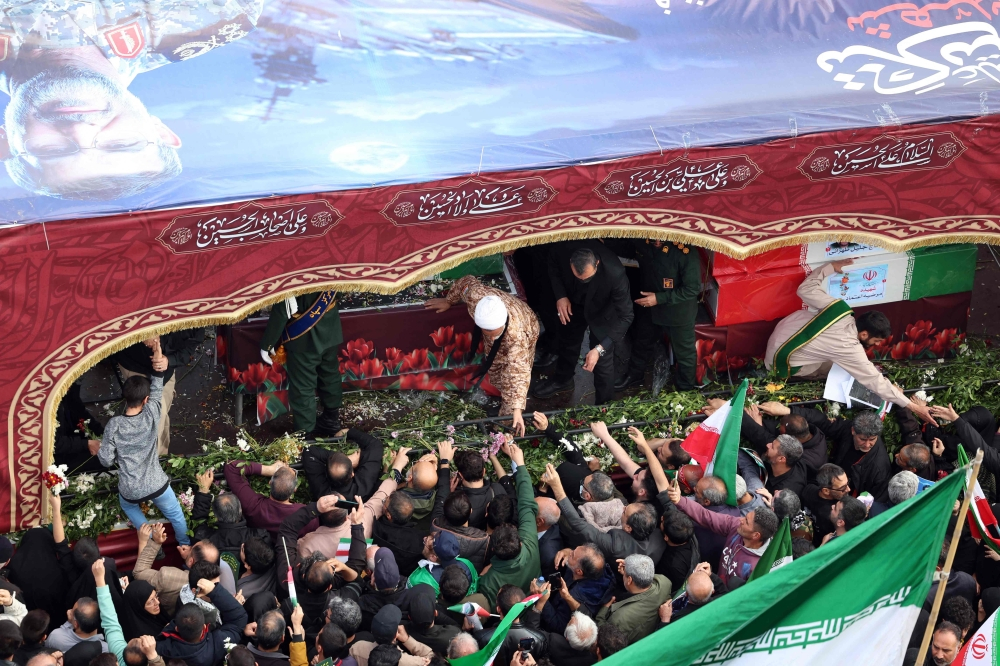
Iran and its regional allies launched a fresh wave of attacks targeting Israel and US-linked assets across the Middle East, extending the month-long conflict that shows no signs of slowing down.
The strikes have increasingly hit economic and industrial sites, fueling fears of broader disruption to global energy supplies and deepening the humanitarian and economic impact of the war.
Iran claimed the latest assaults targeted American-owned industries in the United Arab Emirates and Bahrain, alongside Israeli military factories, in retaliation for prior US-Israeli airstrikes on Iranian facilities. Israel’s military confirmed its air defences were intercepting incoming missiles, though no immediate casualties were reported.
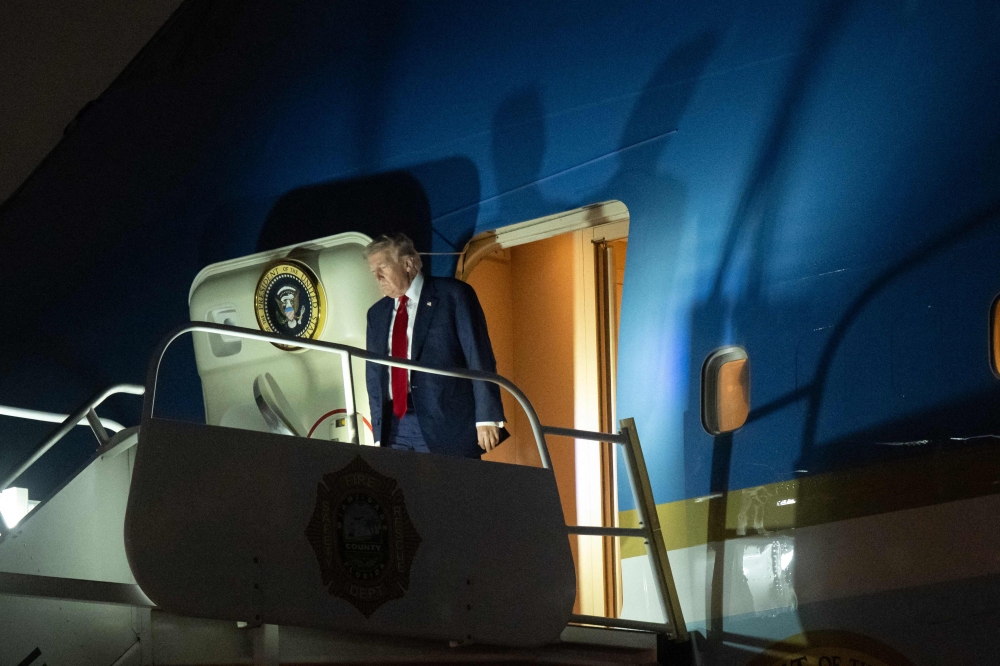
Meanwhile, fresh explosions were reported in the Tehran area, with Iranian media stating a bridge in Karaj had been struck twice—first causing civilian casualties, and again as rescue teams arrived. US President Donald Trump maintained his hardline stance, vowing further action and highlighting the destruction on social media.
Yemen’s Houthi rebels also reported a fourth ballistic missile attack on Israel, signaling a widening regional engagement. Yet amid the tension, everyday life persists: families in Tehran’s Melat Park marked the 13th day of Nowruz, Iran’s New Year holiday, while Israelis observed Passover, some taking refuge in shelters.
The conflict has sharply affected global trade routes. Iran has effectively restricted movement through the Strait of Hormuz, a key passage for one-fifth of the world’s oil. International calls for reopening the strait and establishing humanitarian corridors have intensified, with the UN and multiple countries urging calm.
Global economic ripples are apparent. Oil prices surged past US$110 a barrel, airlines in Asia raised fuel surcharges, and nations from Pakistan to Bhutan are facing energy shortages and inflation spikes. The World Bank and international analysts warn of mounting risks to jobs, food security, and everyday life worldwide.
Amid this, human resilience remains visible. Children still play, families gather, and people navigate the uncertainty, trying to cling to normalcy while the world watches a conflict that seems both distant and disturbingly close. As one Tehran resident said, “We are living in fear, but life continues—one day at a time.”