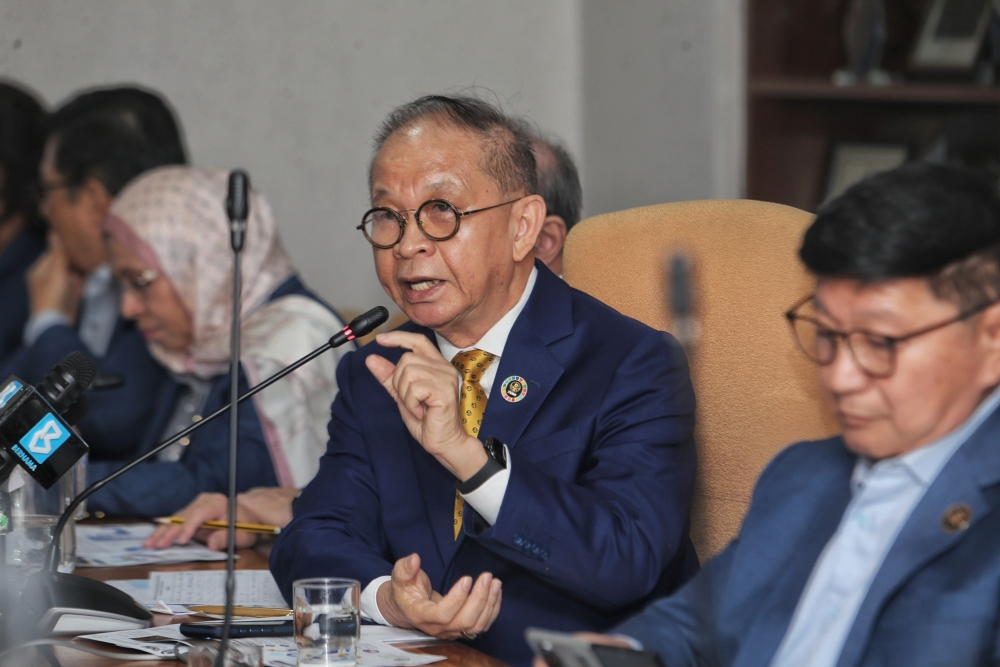
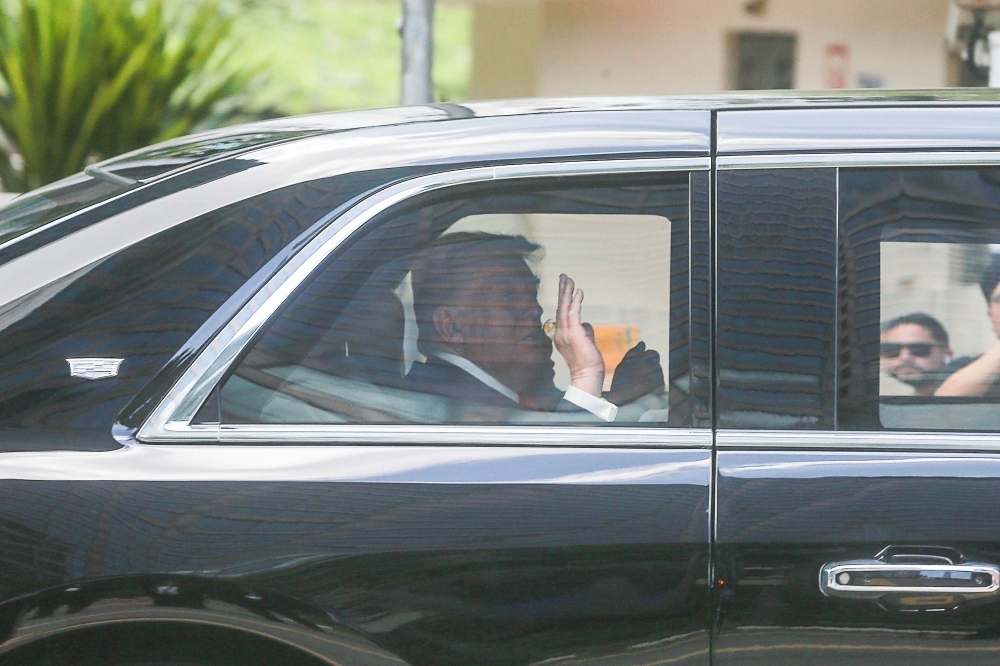
France and Malaysia are taking their bilateral relationship to a new level after reaching an important agreement on rare earth minerals, alongside fresh commitments to strengthen defence, energy and digital cooperation.
The agreement, announced during French President Emmanuel Macron’s two-day official visit to Malaysia, marks a significant step towards expanding cooperation in critical minerals and strengthening both countries’ strategic and economic interests.
At a joint news conference with Malaysian Prime Minister Datuk Seri Anwar Ibrahim, Macron described the development as a “new milestone” in relations between the two nations. One of the key highlights is a joint rare earth project that will allow for the possibility of refining certain materials in France, creating opportunities for cooperation across the entire supply chain.
Malaysia has become an increasingly important player in the global rare earth industry, particularly as countries look for alternatives to China, which dominates the processing of these strategically important minerals. Rare earth elements are essential components in modern technology, including smartphones, electric vehicles, wind turbines, advanced electronics and military equipment.
The country already hosts the world’s largest rare earth processing facility outside China. The newly planned collaboration between French company Carester and Malaysia’s Malaco Mining is expected to further strengthen Malaysia’s position in this growing industry.
The project is expected to add approximately 13,000 tonnes of processed rare earth materials, including minerals required to manufacture high-performance magnets. According to Macron, the joint initiative is scheduled to become operational early next year.
Importantly, the partnership is not limited to extracting raw materials. It also focuses on developing local processing capabilities, strengthening industrial cooperation and creating opportunities for France to refine reserved quantities of materials.
Prime Minister Anwar Ibrahim highlighted the significance of the arrangement, explaining that Malaysia generally prioritises processing its natural resources rather than exporting them in their raw form.
He described the agreement with France as unique, noting that the French commitment to processing and working alongside Malaysian partners had opened the door to a different approach.
The collaboration reflects Malaysia’s broader ambition to move beyond being a supplier of natural resources and become a more influential participant in advanced manufacturing and critical mineral supply chains.
Defence and Technology Cooperation Also Take Centre Stage
Beyond rare earth minerals, Macron’s visit resulted in several agreements covering defence, energy security and digital cooperation.
Among the key developments is the establishment of a regional centre dedicated to countering hybrid threats. The initiative is expected to strengthen regional cooperation and improve the ability of both countries to respond to emerging security challenges.
France will also provide Airbus-built search-and-rescue helicopters to the Malaysian armed forces, further expanding defence cooperation between the two nations.
These developments come at a particularly meaningful time as France and Malaysia approach the 70th anniversary of their diplomatic relations. Both governments are looking to build on decades of cooperation by identifying new opportunities in strategic industries, security and technological development.
A Growing Economic Partnership
Economic relations between France and Malaysia continue to demonstrate considerable potential. Bilateral trade between the two countries exceeded €4.9 billion (approximately RM22.12 billion) last year, reflecting the importance of their commercial relationship.
The latest agreements could create further opportunities for investment, industrial development, technology transfer and employment while strengthening Malaysia’s position in international supply chains.
For Malaysia, the rare earth partnership represents an opportunity to attract international expertise, develop domestic processing capabilities and increase the value generated from its natural resources. For France, the agreement offers a strategic opportunity to diversify access to critical minerals and strengthen its industrial supply chain.
A Partnership Focused on the Future
What makes this development particularly important is that it goes beyond a conventional trade agreement. It brings together natural resources, industrial expertise, advanced technology and national security under a broader partnership.
As global demand for critical minerals continues to grow, countries that can develop reliable supply chains and meaningful international partnerships will have an increasingly important role in shaping the future economy.
For Malaysia, the real opportunity lies in ensuring that these partnerships translate into stronger local industries, valuable skills, technology development and long-term benefits for its people.
The agreement with France is a promising step in that direction. Its true success, however, will be measured not only by the volume of minerals processed or the value of investments secured, but by how much lasting progress it creates for Malaysia and future generations.
Source: AFP