Bolivia is facing one of its most difficult moments in recent years as weeks of nationwide protests continue to shake the country, causing severe shortages of food, fuel, and critical medicines. President Rodrigo Paz has warned that the nation is reaching a “breaking point” as tensions escalate in the political capital of La Paz.
The unrest began in early May, driven by growing anger over the country’s worsening economic crisis. Workers, Indigenous communities, and transport unions have taken to the streets demanding higher wages, stable fuel supplies, and the cancellation of controversial agrarian reforms introduced by the government.
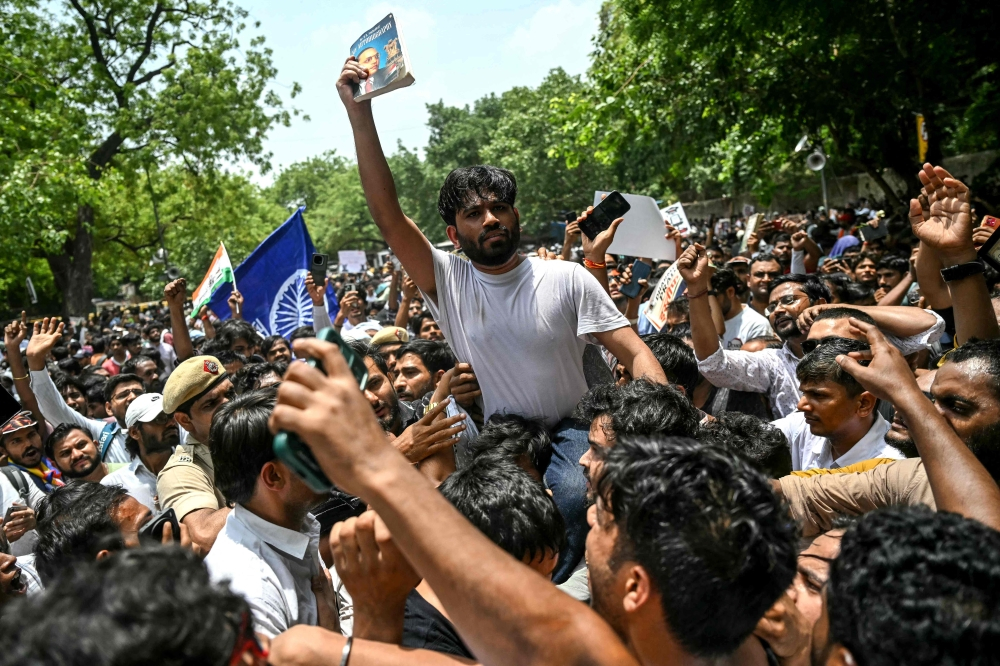
President Paz, who came into office six months ago during Bolivia’s worst economic downturn in four decades, is now facing mounting pressure from demonstrators calling for his resignation. Thousands of low-income workers and members of Bolivia’s Indigenous majority have surrounded parts of La Paz in protest, turning major roads and city centers into scenes of confrontation between protesters and riot police.
Speaking at a public event in La Paz, the 58-year-old leader urged for calm and renewed dialogue, warning that the country desperately needs stability before the crisis deepens further.
“The country needs order and is reaching breaking point,” Paz stated, while also hinting that stronger constitutional measures could be used if the protests continue.
Bolivia’s Congress recently lifted restrictions that previously prevented the president from declaring a state of emergency. The move could allow the deployment of military forces to restore control in affected areas if negotiations fail.
While Paz continues to publicly emphasize dialogue, he also made it clear that his administration would not allow the nation to fall into chaos. He assured security forces that they had public support and warned against attempts to destabilize the government.
Meanwhile, thousands of Indigenous women wearing traditional layered skirts marched through La Paz during Mother’s Day demonstrations in solidarity with striking transport workers. The protests reflected the growing frustration among ordinary Bolivians struggling to survive under rising living costs and economic instability.
One protester, Marta Poma Luque, openly demanded the president step down, saying people were no longer afraid despite the worsening conditions.
Over the last two weeks, the streets of La Paz have increasingly resembled a battleground. Riot police and demonstrators have clashed repeatedly as road blockades disrupted the transportation of essential goods into the city.
Hospitals and families are now beginning to feel the devastating impact of the shortages.
Residents have reported rising prices for medicine and basic necessities, while some life-saving treatments are becoming difficult to obtain. At one of Bolivia’s largest public hospitals, doctors revealed that oxygen supplies were critically low and could run out within days if transportation routes remain blocked.
Families caring for sick children and elderly relatives say the situation is becoming unbearable. Parents of children with asthma and heart conditions fear delays in treatment could become deadly if the crisis continues.
President Paz estimated the economic damage caused by the protests has already reached approximately $600 million.
In an attempt to ease public anger, Paz announced he would cut his own salary in half as a gesture of solidarity with struggling citizens. He also removed his unpopular labor minister and promised Indigenous groups and labor unions a stronger voice in future policy decisions. However, these measures have done little to calm public outrage.
The government has accused former president Evo Morales of helping fuel the unrest from hiding. Morales is currently facing serious allegations involving the trafficking of a teenage girl, claims that continue to divide public opinion across the country.
As Bolivia faces growing uncertainty, many citizens fear the country is approaching a dangerous crossroads. With economic pressure intensifying and political tensions rising daily, the coming weeks could determine whether Bolivia finds a path toward stability or falls deeper into crisis.