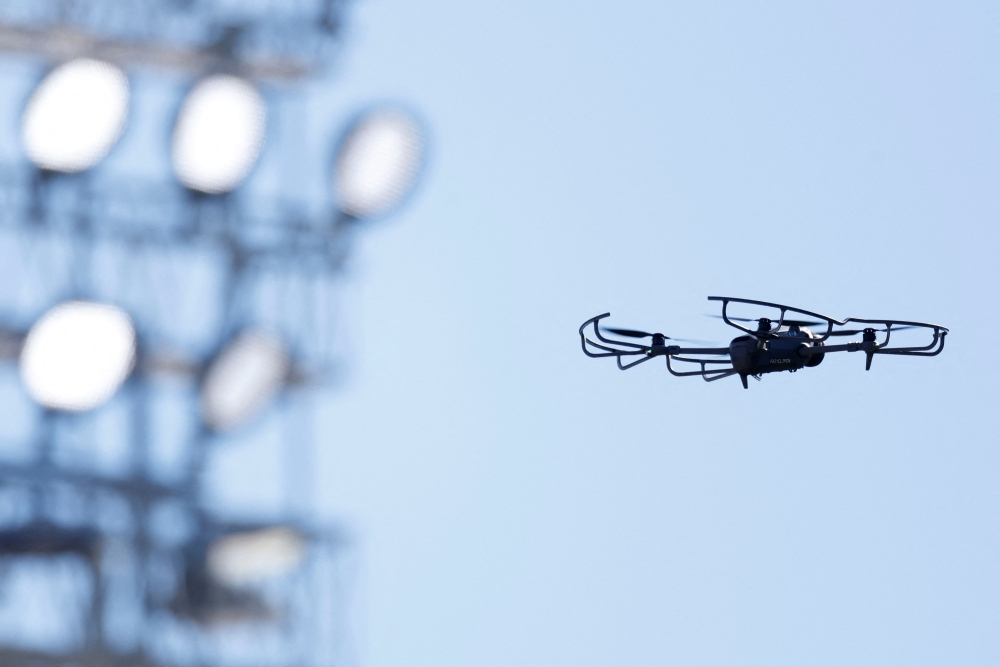
Beijing is taking a major step to strengthen airspace security, with authorities set to ban the possession and storage of drones across the capital from November 15.
The new regulations, announced by the Beijing municipal government, introduce some of the strictest controls yet on unmanned aerial vehicles in the city. Alongside the possession ban, authorities will prohibit drone flights in Beijing’s airspace and restrict the transport of drones and their components into the capital.
Officials say the measures are designed to “safeguard the security of the capital”, reflecting growing concerns about aviation safety and the potential risks posed by unauthorised aerial activity.
Drone Owners Face a November Deadline
Under the new rules, people who own drones in Beijing will have to dispose of their devices or move them outside the city before November 15.
Those who fail to comply could face confiscation and fines. The announcement marks a significant change for drone owners, who were previously allowed to keep their devices as long as they followed registration requirements.
The city had already banned drone sales in May. The latest decision goes further by targeting the possession and storage of drones themselves.
To make the transition easier, authorities are offering subsidies, buy-back channels and free shipping services to help residents remove their drones from the capital or dispose of them in accordance with the new regulations.
Why Is Beijing Tightening Airspace Security?
The move comes amid heightened concerns over airspace safety following a serious incident in June, when a small aircraft crashed into Beijing’s tallest skyscraper.
The crash killed the pilot and injured 13 people, raising fresh questions about aviation safety and the risks associated with aircraft operating in crowded urban environments.
Although the new drone restrictions are part of a broader effort to protect Beijing’s airspace, the announcement highlights how seriously authorities are treating potential threats to public safety and the security of the capital.
Are There Any Exceptions?
Not every drone-related activity will necessarily be prohibited.
Authorities may grant exemptions for specific purposes, including counter-terrorism operations, agriculture, disaster relief and scientific research.
These exemptions suggest that Beijing is seeking to balance security requirements with activities that serve important public, agricultural and research needs.
However, the new restrictions will significantly affect ordinary drone owners and businesses that rely on drones for recreational or commercial purposes within the city.
What This Means for Drone Owners and Businesses
For residents, the November 15 deadline creates an urgent need to understand the new requirements and take appropriate action.
Drone owners should check the official regulations, determine whether their devices qualify for any exemption and explore the available disposal, buy-back or relocation options before the deadline.
Businesses that use drones for photography, surveying, delivery, construction or other commercial activities may also need to reassess their operations and confirm whether they can continue working within Beijing under the new rules.
The changes demonstrate how quickly regulations surrounding drone technology can evolve when governments prioritise airspace security.
A Changing Future for Drone Technology
Drones have become increasingly valuable in industries ranging from agriculture and logistics to research and emergency response. At the same time, their growing presence in cities has created new challenges involving privacy, safety, security and airspace management.
Beijing’s decision shows that the future of drone use in major cities may depend not only on technological innovation but also on strict regulation and responsible operation.
For drone owners, the message is clear: understanding the rules is no longer optional.
Humanized Ending
Technology is meant to make life easier, connect people and open doors to new possibilities. But when the skies above a city become crowded, safety must come first.
For many drone owners in Beijing, this new rule is more than a change in regulation. It is a reminder that the freedom to use technology comes with responsibility. A drone may be small, but the consequences of using it carelessly can be enormous.
As November 15 approaches, residents and businesses face an important decision: adapt to the new rules, protect public safety and find responsible ways to keep innovation moving forward.
The future of drones is still full of opportunity. But that future will be built on trust, accountability and respect for the safety of everyone on the ground.
Source: AFP