In a dramatic turn of events, Iran has once again shut down the Strait of Hormuz—just hours after briefly reopening it—creating fresh uncertainty across global markets and intensifying geopolitical tensions.
Earlier, the crucial waterway had been reopened following signs of a ceasefire linked to ongoing conflict in the region. That decision sparked relief worldwide, especially as the strait is responsible for transporting nearly 20% of the world’s oil and liquefied natural gas. However, the optimism was short-lived.
Iran’s military confirmed today that the strait is now back under strict control, citing ongoing pressure from the United States, particularly a continued naval blockade targeting Iranian ports. This sudden reversal has raised serious concerns about the stability of global energy supply chains.
Ships Caught in the Middle of Uncertainty
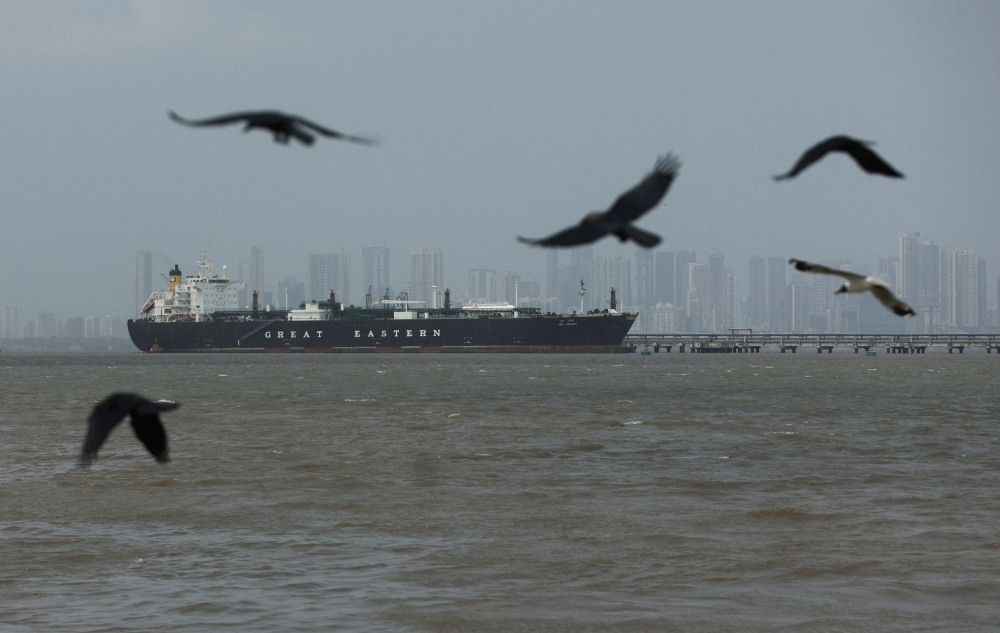
At the time of the announcement, more than a dozen commercial vessels were navigating through the narrow passage. Some ships reportedly rushed through the strait, staying close to Iranian waters as advised, while others abruptly changed course due to the unpredictability of the situation.
Interestingly, several vessels began broadcasting themselves as Indian or Chinese, possibly to signal neutrality and avoid complications. Meanwhile, at least two oil tankers that had already begun their journey toward India reversed direction mid-route, highlighting the confusion and risk in the region.
Peace Talks vs. Power Moves
The situation also casts doubt on recent statements by former U.S. President Donald Trump, who had expressed strong confidence that a peace deal between the U.S., Israel, and Iran was imminent. Just a day earlier, he described the negotiations as “very close” to resolution.
Diplomatic efforts are still ongoing, with Pakistan emerging as a key mediator. High-level visits and discussions have taken place across Iran, Saudi Arabia, Qatar, and Turkey in an attempt to bring all sides to the table. Another round of talks is expected soon.
Despite this, major disagreements remain unresolved—especially regarding Iran’s enriched uranium stockpile and control over the Strait of Hormuz.
Conflicting Narratives Add to Tension
While U.S. officials have suggested that Iran may be willing to hand over enriched uranium as part of a deal, Iranian authorities have firmly denied such claims. According to Iran’s foreign ministry, no such agreement has ever been discussed.
At the same time, Iran has reopened parts of its airspace, allowing international flights to pass through eastern regions—offering a small sign of stability amid the chaos.
A Region on Edge
Behind the political statements and military maneuvers lies a deeper reality: the region remains fragile. The war has already expanded beyond borders, affecting multiple nations and drawing in powerful allies. With only days left in the current ceasefire window, the coming week could prove critical.