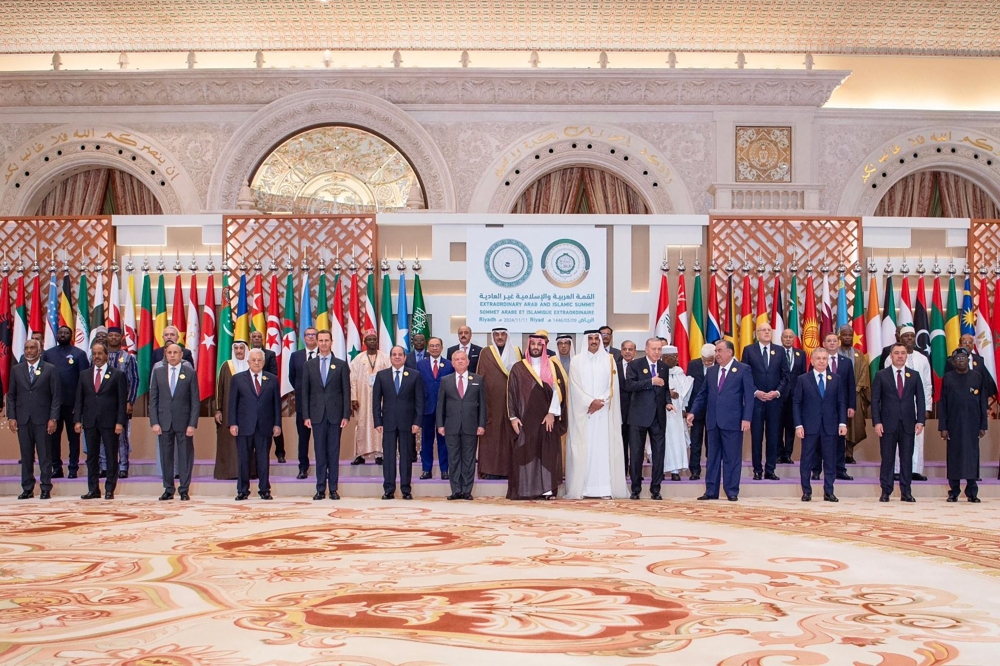
Iraq is preparing to host a new virtual meeting of foreign ministers from member states of the Arab League as concerns grow over rising security tensions across the Middle East. The initiative comes at a time when the region is navigating a period of heightened uncertainty, diplomatic pressure, and growing calls for cooperation among Arab nations.
According to reports from Anadolu Ajansi, this upcoming meeting will be the second virtual gathering of Arab League foreign ministers since the United States and Israel launched military actions against Iran on February 28, followed by retaliatory strikes carried out by Tehran.
The announcement of the meeting came after Iraq’s Foreign Minister, Fuad Hussein, held separate phone discussions with Oman’s Foreign Minister Badr Albusaidi and Egypt’s Foreign Minister Badr Abdelatty. These conversations focused on the urgent need for stronger coordination among Arab nations as regional developments continue to unfold.
During his discussion with Albusaidi, both sides emphasized the importance of aligning Arab positions and strengthening collective cooperation to address the challenges currently facing the region. Officials highlighted that collaboration and diplomatic engagement remain essential in managing complex geopolitical dynamics.
Hussein’s conversation with Abdelatty also reflected similar concerns. Both ministers agreed that the agenda for the upcoming meeting should cover a wide range of issues rather than focusing on a single topic. The intention is to ensure that the discussions reflect the scale and seriousness of the challenges impacting the Middle East today.
The previous virtual meeting, which took place on March 10, was convened as an emergency session of the Arab League. That meeting focused on addressing the immediate consequences of the ongoing conflict and the security concerns emerging across the region.
During that session, Arab foreign ministers strongly condemned Iranian attacks targeting regional countries and called for an immediate halt to such actions. The meeting underscored the growing urgency among Arab states to prevent further escalation and maintain regional stability.
Tensions have continued to intensify since late February. Military actions by the United States and Israel against Iran were followed by repeated drone and missile strikes attributed to Tehran. These attacks have reportedly targeted Israel as well as Gulf states that host United States military facilities, further increasing concerns about the possibility of a broader regional confrontation.
Diplomats and regional leaders are now watching closely as the Arab League prepares for this new round of discussions. The upcoming virtual meeting is expected to focus not only on the ongoing conflict but also on strengthening cooperation, improving diplomatic coordination, and exploring ways to reduce tensions before the situation escalates further.
Many observers believe that this meeting could play an important role in shaping a more unified regional response at a time when stability, communication, and joint action are becoming increasingly critical.
Beyond the political statements and official discussions, this moment reflects something deeper for millions of people living across the region. Behind every diplomatic meeting are communities hoping for calm, families seeking stability, and young generations wishing for a future that is not defined by conflict. In times like these, dialogue matters. Cooperation matters. And every step toward understanding, even through a virtual meeting, can help create space for peace, responsibility, and progress.