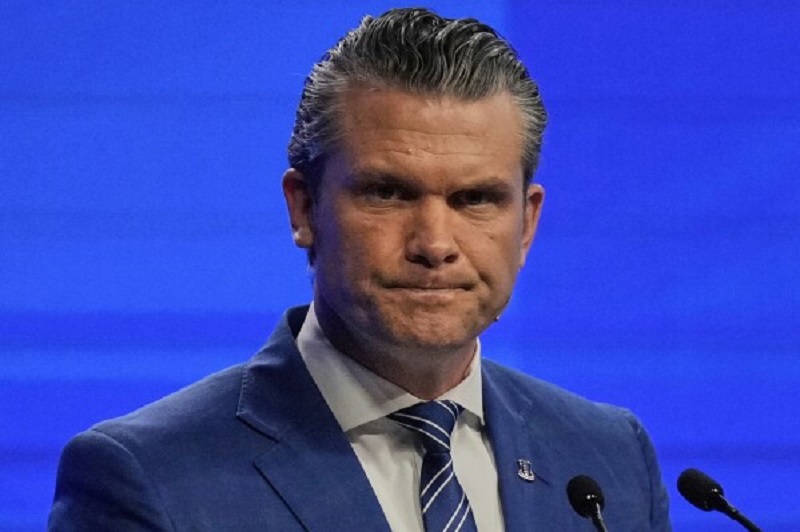
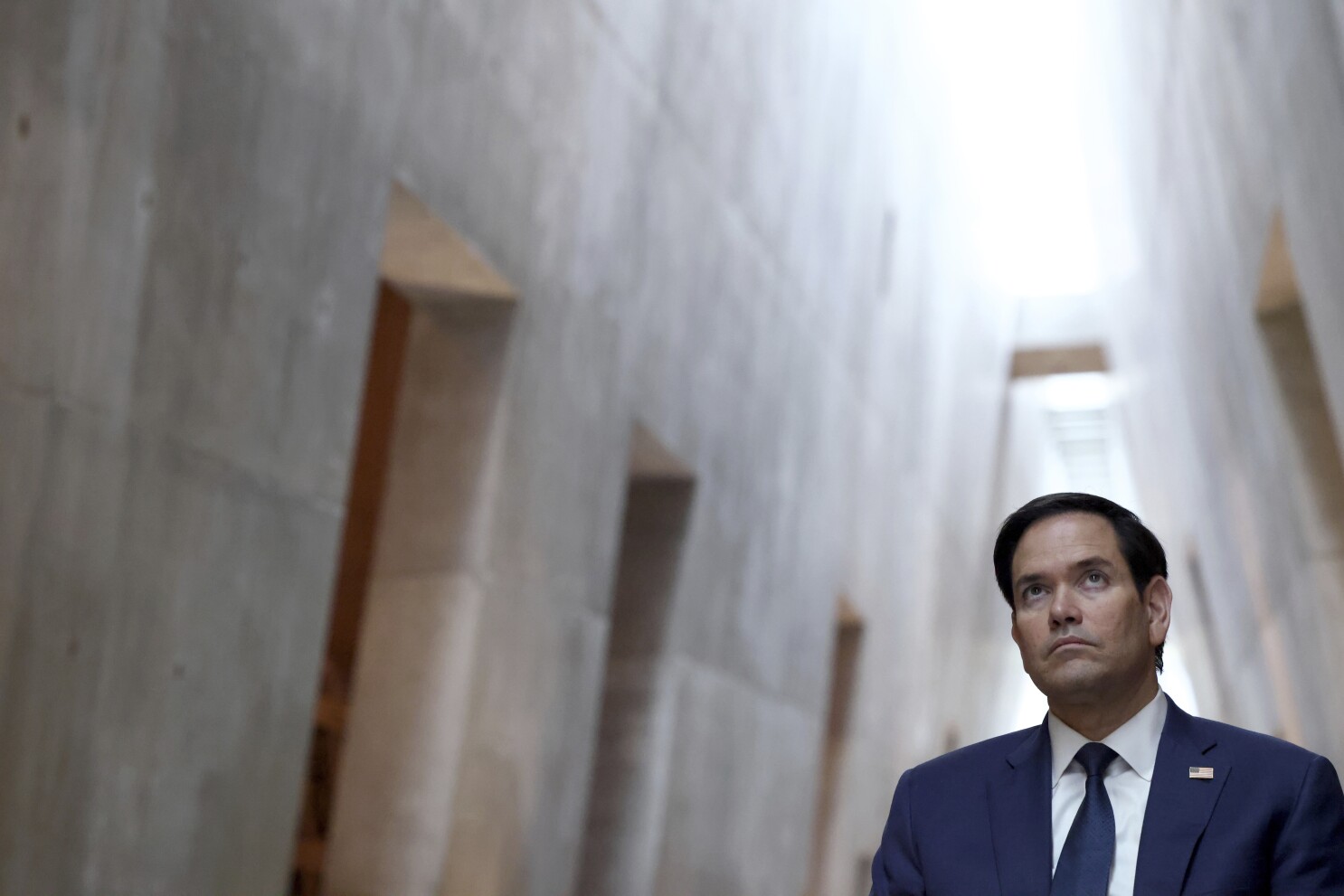
Germany has indicated that it is prepared to play a supportive role in maintaining stability if a peace agreement is reached between the United States and Iran. German Defence Minister Boris Pistorius made the remarks during a meeting with Australian Defence Minister Richard Marles, highlighting Berlin’s willingness to contribute to security efforts should diplomatic progress occur.
Speaking about the possibility of easing tensions between the two nations, Pistorius stated that Germany stands ready to assist in protecting any agreement that leads to peace. According to him, if a ceasefire or peace arrangement materializes, Germany would be open to discussing potential operations aimed at safeguarding the stability of the region.
One of the key concerns mentioned during the discussion was the security of the Hormuz Strait, one of the world’s most vital maritime routes for global oil shipments and international trade. Pistorius emphasized that maintaining the freedom of navigation in this strategic waterway would be an essential part of any future peacekeeping or stabilization efforts.
Although the German minister did not reveal specific plans or operational details, his comments signal Berlin’s openness to international cooperation in ensuring that any diplomatic breakthrough between Washington and Tehran is supported by measures that preserve regional stability.
The possibility of a ceasefire or broader peace arrangement between the United States and Iran has been closely watched by the international community. The two nations have experienced years of political tension, economic sanctions, and geopolitical rivalry, making any step toward dialogue a significant development for global diplomacy.
Germany’s statement reflects a broader European interest in preventing escalation in the Middle East and ensuring that important trade routes remain secure. Stability in the Hormuz Strait, in particular, affects not only regional countries but also the global economy, as disruptions there can quickly influence energy prices and international shipping.
While negotiations and diplomatic conversations continue, Germany’s readiness to assist highlights the importance of multilateral cooperation in maintaining peace and stability. Should a ceasefire or agreement emerge, countries like Germany may play a crucial role in supporting monitoring missions, maritime security operations, or peacekeeping frameworks that ensure commitments are upheld.
At a human level, moments like these remind the world how fragile peace can be—and how essential cooperation becomes when tensions rise. Behind political statements and diplomatic meetings are millions of ordinary people who hope for stability, safety, and a future free from conflict. When nations signal readiness to protect peace, it reflects not only strategy but also a shared global responsibility to protect lives, trade, and the possibility of a calmer tomorrow.