Japan’s tourism sector has been hit by a significant setback, as the country lost around 600,000 Chinese visitors in January, reflecting the growing strain in diplomatic relations between Tokyo and Beijing.
According to figures released by Japan’s tourism authorities, mainland Chinese arrivals dropped 60.7 per cent year-on-year, falling to 385,300 visitors compared to 980,520 in January 2025. The decline marks one of the sharpest drops in recent years and signals the broader impact of political tensions on travel and economic exchanges.
Officials pointed out that timing played a role. Last year, the Lunar New Year began in late January, while this year it fell in mid-February, shifting peak travel patterns. However, the calendar shift alone does not explain the magnitude of the fall.
A major factor was a travel advisory issued by Beijing, warning Chinese citizens about “significant risks” to their safety in Japan. Reduced flight frequencies between the two countries further restricted travel capacity, compounding the slowdown.
South Korea Takes the Lead in Japan’s Tourism Market
While Chinese visitor numbers plunged, South Korea emerged as Japan’s largest source of tourists in January, sending 1.2 million visitors, an increase of 21.6 per cent year-on-year.
Meanwhile, arrivals from Hong Kong also fell sharply by 17.9 per cent. Overall, Japan recorded 3.597 million visitors in January, down 4.9 per cent compared to the same period last year.
For years, Chinese tourists were the backbone of Japan’s tourism boom. A weak yen made shopping in Japan attractive, fuelling spending in cities famous for cherry blossoms, advanced technology, and landmarks like Mount Fuji. The sudden reversal now exposes how closely tourism flows are tied to geopolitics.
Diplomatic Tensions Escalate
The downturn follows heightened tensions between Japan and China over regional security issues.
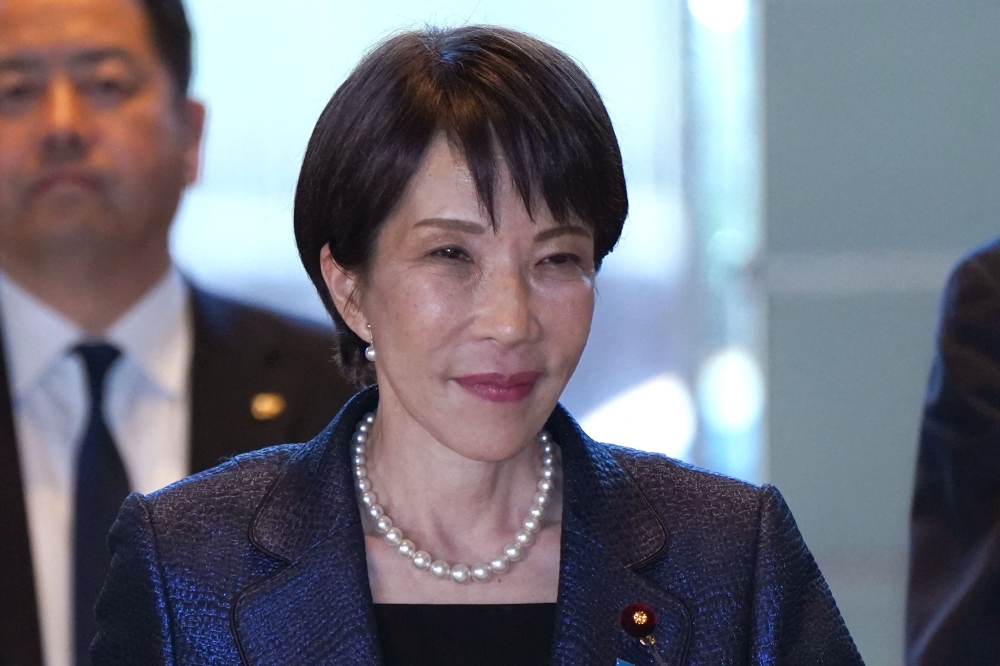
Japan’s Prime Minister Sanae Takaichi, who became the country’s first woman prime minister in October, suggested in November that Japan could intervene militarily if Beijing attempted to take Taiwan by force. China, which considers Taiwan part of its territory, responded strongly.
Beijing summoned Japan’s ambassador and issued a formal travel warning to its citizens. Military friction added to concerns, with reports of Chinese J-15 jets locking radar on Japanese aircraft near Okinawa in December.
China has also tightened export controls on items with potential military use, raising fears of disruptions to rare-earth mineral supplies vital to Japan’s industries.
Even symbolic gestures reflected the cooling relationship — Japan’s last two pandas were returned to China recently.
A Balancing Act Between Security and Dialogue
Despite her strong stance on defence and territorial protection, Takaichi has stated she remains open to dialogue with China. Following her landslide victory in snap elections on February 8, she reiterated Japan’s commitment to strengthening national defence while also keeping diplomatic channels open.
China’s foreign ministry responded by emphasizing that genuine dialogue must be built on mutual respect, warning that words alone are insufficient without consistent actions.
Meanwhile, at the Munich Security Conference, China’s top diplomat Wang Yi accused forces within Japan of attempting to “revive militarism,” underscoring the depth of mistrust shaping current relations.