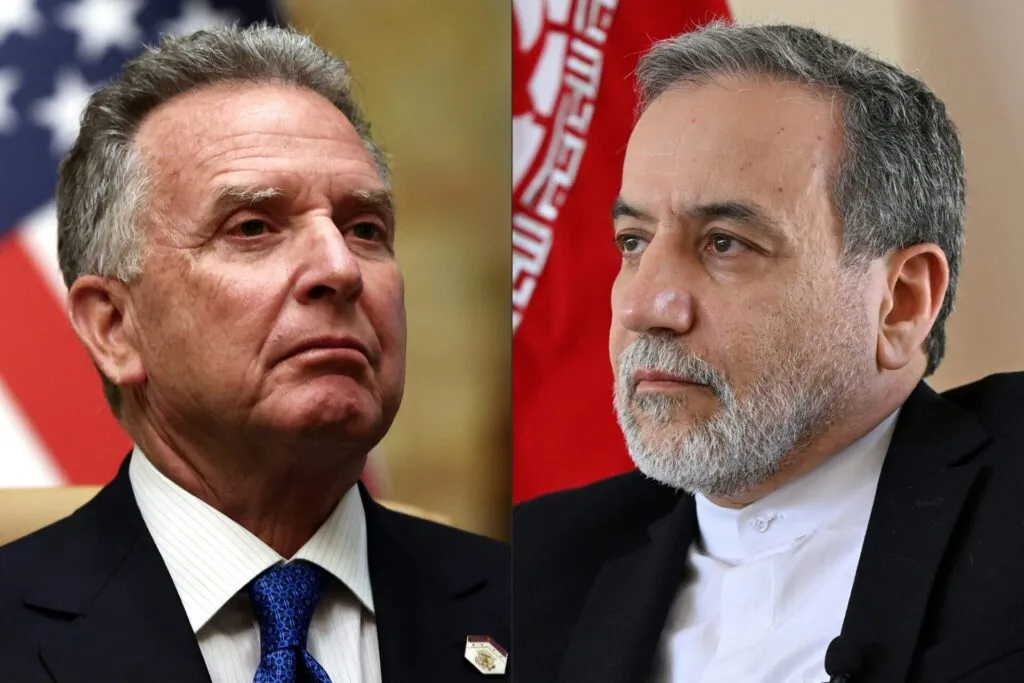
Iran and the United States have reopened sensitive diplomatic talks in Muscat, Oman, marking a cautious return to dialogue after weeks of sharp rhetoric and military posturing that heightened fears of direct confrontation.
Iran’s Foreign Minister Abbas Araghchi arrived in the Omani capital to head Tehran’s delegation, while the US side is being led by special envoy Steve Witkoff alongside presidential adviser Jared Kushner. The talks revive a fragile channel that many feared had closed entirely.
Tehran has made clear that its focus is narrow. Iranian officials say the discussions are limited strictly to the nuclear issue. A spokesperson from Iran’s Foreign Ministry said the objective is to reach a “fair, mutually satisfactory, and honourable agreement,” stressing that Iran will not allow the talks to expand into regional security matters or its missile programme.
Araghchi echoed this stance in a post on X, saying Iran was entering negotiations “with open eyes and a steady memory of the past year.” He added that while Iran is prepared to negotiate in good faith, it will firmly protect its rights. According to him, any lasting agreement must be built on equality, mutual respect, and shared interests.
Washington’s position appears less confined. The White House has reiterated that diplomacy remains President Donald Trump’s preferred option, but has also warned Tehran not to overlook the “many options” available to the United States. US officials continue to push for broader restrictions, including limits on Iran’s missile capabilities and its regional influence—demands Iran has consistently rejected as infringements on its sovereignty.
Oman’s role as host highlights the deep mistrust between the two sides. The venue was shifted to Muscat after Iran objected to earlier plans to hold the talks in Istanbul, briefly raising concerns that the negotiations might collapse before they even began. Meanwhile, several regional players—including Saudi Arabia, Qatar, Egypt, the United Arab Emirates, and Pakistan—are quietly urging both sides to keep talking. Some have floated the idea of a broader non-aggression framework, though analysts say bringing Israel into such an arrangement would be extremely challenging.
These talks are unfolding under intense pressure. The United States has stepped up its military presence in West Asia, while Iran has unveiled new missile capabilities. The region is still on edge after last year’s direct hostilities, when Israeli and US strikes on Iranian targets were met with retaliatory actions from Tehran—an exchange that stopped short of full escalation but left deep anxiety in its wake.
Diplomats describe the Muscat discussions as narrow, fragile, yet crucial. Whether this renewed engagement leads to compromise or slides back into confrontation could shape the future of US-Iran relations and influence regional stability in the months ahead.