Nepal’s Prime Minister Balendra Shah received a grand diplomatic welcome in New Delhi as Indian Prime Minister Narendra Modi greeted him ahead of high-level discussions aimed at strengthening economic cooperation, energy partnerships and bilateral relations between the two neighbouring countries.
The meeting marks an important moment in Nepal-India relations, particularly as Shah begins shaping his country’s international engagement following his rise from the music industry to national leadership.
The 36-year-old leader, widely recognised as a rapper-turned-politician, arrived in India on Sunday for his first official visit to a neighbouring country since assuming office in March. His political journey gained significant momentum following youth-led anti-corruption protests in September 2025, which brought demands for accountability, transparency and political reform to the forefront of Nepal’s national conversation.
During the welcoming ceremony, Shah, dressed in black and wearing his signature sunglasses, was warmly greeted by Modi, who was dressed in white. The two leaders exchanged a handshake before Shah received a ceremonial military honour guard parade at the presidential palace in New Delhi.
The visit carries considerable diplomatic and economic importance for Nepal, a landlocked Himalayan nation of approximately 30 million people. Positioned between two major regional powers, India and China, Nepal has historically maintained a careful balance in its foreign relations while pursuing economic development and regional cooperation.
India remains Nepal’s largest trading partner, accounting for more than 60 per cent of the country’s imports, valued at approximately US$8.6 billion. China represents another important economic partner, contributing around 13 per cent of Nepal’s imports, valued at US$1.8 billion, according to World Bank figures.
Against this economic backdrop, discussions between Shah and Modi are expected to focus on expanding cooperation in trade, energy, connectivity and other areas of mutual interest.
India’s Ministry of External Affairs described the visit as an opportunity to further strengthen the longstanding relationship between New Delhi and Kathmandu.
Before meeting Modi, Shah held discussions with India’s External Affairs Minister Subrahmanyam Jaishankar. Nepal’s Ministry of Foreign Affairs confirmed that their discussions covered important areas including trade, transit, commerce and energy cooperation.
Interestingly, Shah had initially avoided making foreign visits after becoming prime minister, reflecting a different approach from several of his predecessors. His international engagements have therefore attracted considerable attention, particularly as Nepal works to strengthen its diplomatic relationships while addressing domestic challenges.
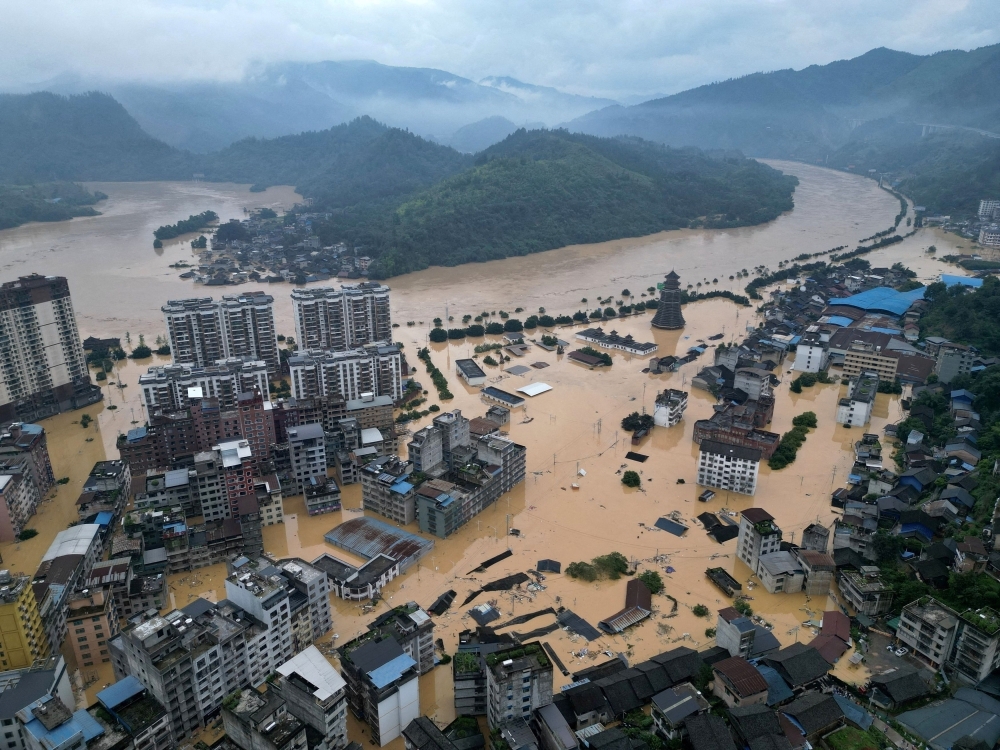
His first overseas engagement as prime minister took place in New York in September, where he addressed the United Nations General Assembly. At the time, Nepal was dealing with the devastating consequences of a major glacial mountain collapse that triggered catastrophic flooding, leaving more than 1,400 people dead and approximately 5,000 missing.
The disaster placed enormous pressure on the country’s recovery efforts and highlighted Nepal’s vulnerability to climate-related risks. Despite contributing relatively little to global greenhouse gas emissions, the country faces significant environmental challenges because of its mountainous geography and exposure to extreme weather events.
Nepal has estimated that rebuilding damaged infrastructure and supporting affected communities will require approximately US$4.78 billion.
As Shah continues his diplomatic engagements, his government faces the dual responsibility of strengthening international partnerships and responding to the expectations of citizens who demanded political change, accountability and better opportunities.
A new chapter for Nepal’s leadership
Balendra Shah’s journey from a popular music figure to the country’s prime minister represents a significant political development in Nepal. His rise reflects growing public expectations for leadership that listens, delivers results and puts national interests first.
His meeting with Narendra Modi is more than a ceremonial diplomatic occasion. It represents an opportunity for both countries to strengthen cooperation, address shared challenges and build stronger economic connections.
For ordinary people in Nepal, however, the real significance of such international visits will ultimately be measured by what follows. Stronger trade, reliable energy partnerships, better economic opportunities and meaningful improvements in everyday life are the outcomes citizens will be watching for.
Diplomacy creates opportunities, but effective leadership is what turns those opportunities into progress.
Source: Agence France-Presse (AFP)