Delhi’s worsening air pollution has reached another alarming point, with India’s cricket board relocating an upcoming international match as the city continues to struggle with hazardous air quality.
Delhi’s air pollution crisis is now affecting more than everyday life, with international sporting events also feeling the impact. The Board of Control for Cricket in India (BCCI) has decided to move an upcoming one-day international (ODI) match between India and Sri Lanka from New Delhi to Visakhapatnam, citing concerns over potential weather disruptions and renovation work at the Delhi stadium.
The match, originally scheduled to take place in New Delhi on December 13, will now be hosted by the southeastern coastal city of Visakhapatnam.
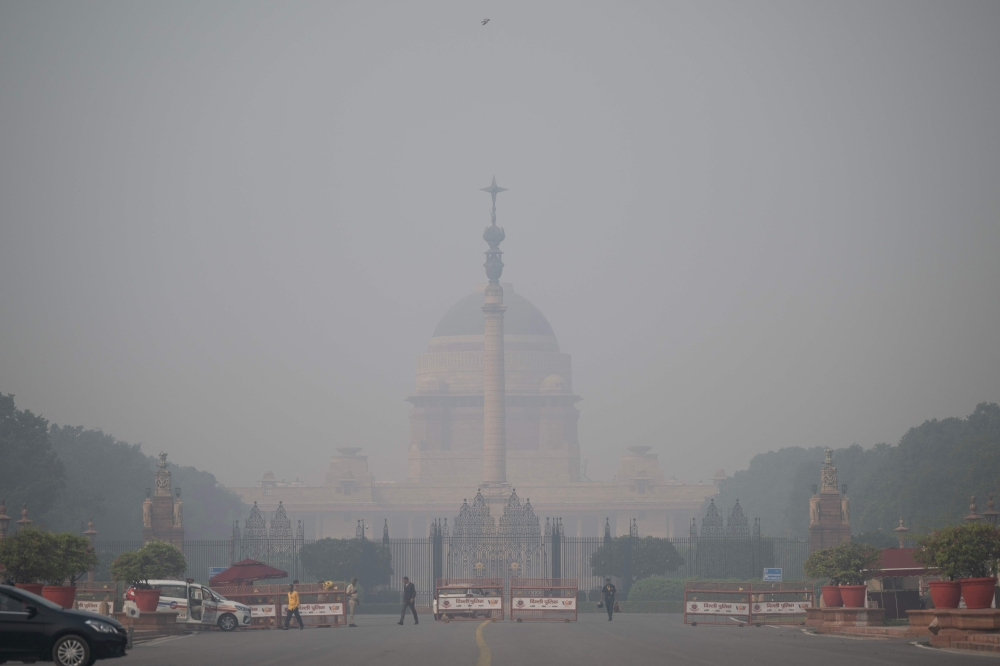
The decision comes as pollution levels across the Indian capital continue to raise serious concerns. On Friday, air pollution readings surged to more than 25 times the World Health Organization’s recommended daily limit, according to air-monitoring data.
The situation becomes particularly dangerous during the winter months. Colder temperatures and stagnant air prevent pollutants from dispersing, allowing toxic particles to accumulate close to the ground. During severe pollution episodes, PM2.5 concentrations in Delhi have exceeded 800 micrograms per cubic metre, representing more than 50 times the WHO’s recommended 24-hour guideline.
These microscopic particles are especially concerning because they can enter deep into the lungs and pose serious risks to human health.
The consequences of Delhi’s polluted air are already reflected in the city’s mortality figures. An analysis by Finland-based Centre for Research on Energy and Clean Air (CREA) estimated that air pollution was linked to 17,188 deaths in Delhi in 2023, accounting for nearly 15 per cent of all deaths recorded that year. The findings identified air pollution as the city’s leading individual risk factor.
Concerns are also growing ahead of Diwali, the Hindu festival of lights. Traditionally celebrated with fireworks and firecrackers, the festival can add another layer of pollution to an already struggling environment. With pollution levels expected to rise further, residents could face even more difficult conditions.
While relocating a cricket match may appear to be a sporting decision, it also highlights a much bigger issue. When air quality becomes a concern for international sporting events, it raises important questions about the safety of the people who live, work and travel in the affected city every day.
For millions of Delhi residents, polluted air is not a temporary inconvenience or a scheduling problem. It is part of their daily reality, affecting outdoor activities, public health and quality of life.
The challenge now goes beyond protecting sporting events. Delhi needs stronger and more consistent action to tackle pollution, protect vulnerable communities and ensure that clean air becomes a basic reality rather than a seasonal hope.
Source: AFP