The Saudi-led military coalition has launched strikes against Houthi missile facilities in Yemen following a series of attacks targeting Saudi Arabia, including reported missile strikes aimed at Riyadh’s international airport. The latest escalation has raised fresh security concerns across the region, disrupted air travel and placed renewed attention on the growing risks to civilian infrastructure.
According to coalition spokesperson Turki al-Maliki, the operation destroyed four ballistic missile launchers, a missile storage depot and tunnels used by Houthi forces. The coalition said the strikes were intended to disrupt the group’s military supply routes and limit its ability to launch further attacks from areas under its control.
The operation followed explosions reported in the Saudi capital, where authorities sent text alerts to residents warning of a potential aerial threat. Saudi Arabia has faced repeated attacks in recent weeks, adding to concerns about the security of major cities, transportation facilities and critical infrastructure.
Al-Maliki said Saudi air defences had intercepted and destroyed a ballistic missile reportedly launched towards Riyadh by Houthi forces. The incident came amid continuing claims by the Houthis that they had targeted King Khalid International Airport.
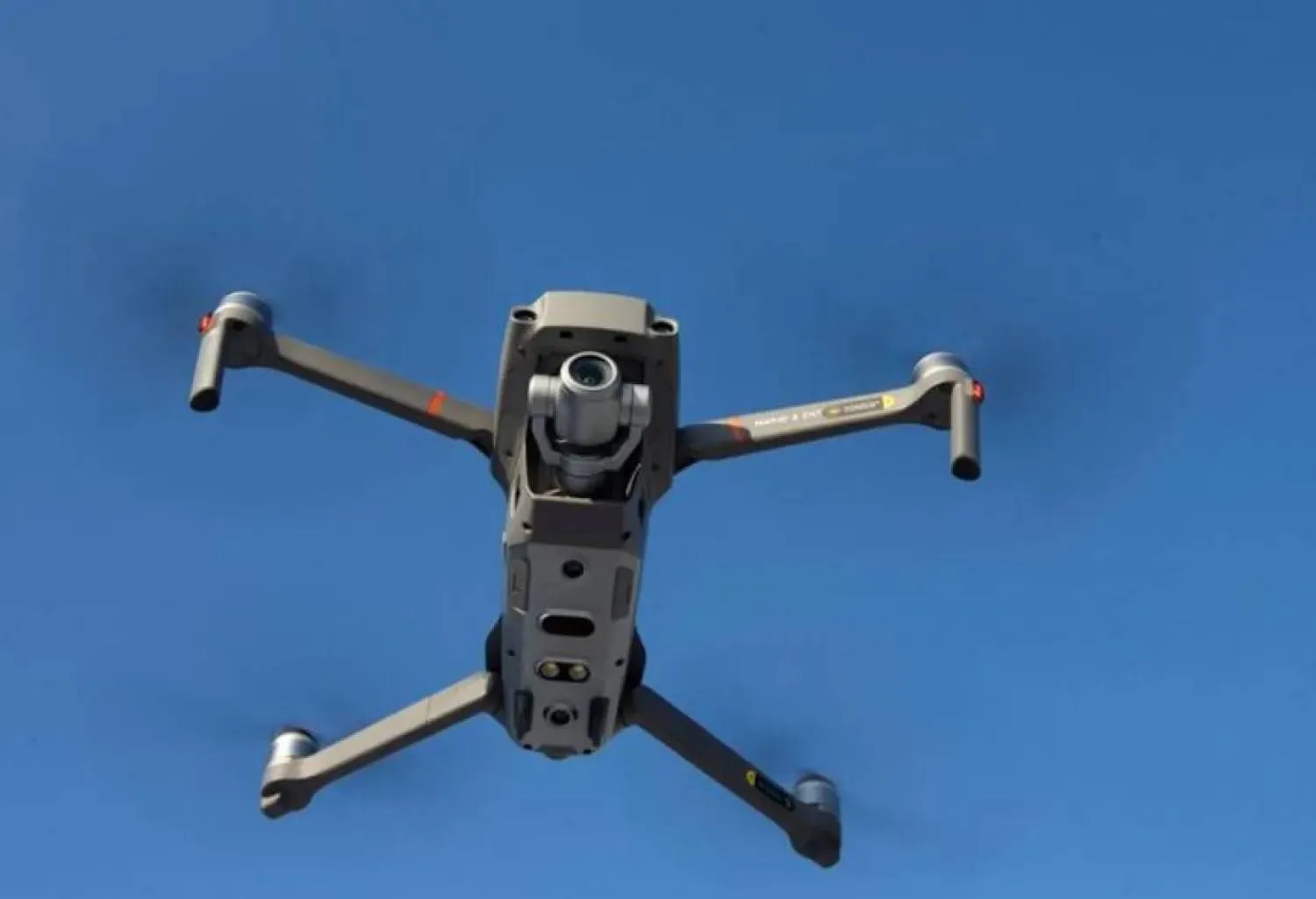
Houthi military spokesperson Yahya Saree said the group had carried out another missile attack on the airport, claiming that the weapon had struck its intended target. He also claimed that drones had been used to target oil pumping stations. These statements reflect the competing accounts issued by the parties involved in the conflict.
The airport has become a major focus of the latest hostilities. Following a period of disruption, operations resumed on Sunday, although Houthi officials continued to warn travellers against using the facility, describing it as a military target. Such threats have heightened concerns for passengers, airport workers and airlines operating in the region.
The consequences of the conflict have extended beyond immediate security operations. The airport shutdown disrupted travel plans for thousands of passengers and contributed to the postponement of Saudi Arabia’s flagship investment conference until 2027. The Dakar Rally was also among the major events affected by the wider conflict, joining other events that were cancelled, delayed or moved elsewhere.
The Houthis have warned that Saudi Arabia would bear responsibility for the consequences of any operations conducted through the airport. Their statements have further intensified concerns about the potential for continued attacks on civilian and commercial facilities.
The escalation comes as a longstanding truce between the Houthis and forces aligned with Yemen’s internationally recognised government has weakened. Saudi Arabia, which supports the Yemeni government, has faced renewed pressure as the conflict intersects with broader regional tensions involving Iran and the United States.
Saudi Arabia strengthens its air defence cooperation
Amid the growing security concerns, Greek Prime Minister Kyriakos Mitsotakis met Saudi Crown Prince Mohammed bin Salman to discuss regional security and air defence cooperation.
According to the Greek prime minister’s office, Mitsotakis responded positively to Saudi Arabia’s request to keep a US-made Patriot air defence system deployed in the kingdom under the current circumstances.
Greece has stationed a Patriot missile defence battery in Yanbu, an important oil export hub on Saudi Arabia’s Red Sea coast. The system is designed to help intercept incoming aerial threats, including certain types of ballistic missiles.
The discussions highlight the importance Saudi Arabia places on maintaining its air defence capabilities as attacks and security threats continue. Cooperation with international partners could play a significant role in protecting strategic infrastructure and reducing the risks posed by further missile launches.
Residents report heavy explosions as damage is assessed
The intensity of the recent attacks has also been felt by residents in other parts of Saudi Arabia. The Saudi-led coalition previously reported that its air defences had intercepted at least 10 ballistic missiles.
A resident of Khamis Mushait, speaking to Agence France-Presse on condition of anonymity, described the bombardment as particularly heavy and said the explosions were powerful enough to make everything shake.
Saudi Arabia’s civil defence agency subsequently reported that two people had been injured in the south after debris fell from the sky. Authorities also reported damage to several buildings and vehicles.
Images released by the Saudi Press Agency showed damage to buildings, including a structure with part of its upper facade destroyed and metal reinforcement bars exposed. Other images showed shattered windows and broken glass scattered across pavements and sections of the road.
The reports illustrate the risks associated with missile interceptions and falling debris, even when air defence systems successfully destroy incoming projectiles. Residents living near targeted areas may still face serious dangers from explosions, damaged structures and fragments falling from the sky.
A conflict with consequences beyond the battlefield
The latest developments underscore how escalating hostilities can affect far more than military positions. Airports, oil infrastructure, international travel, investment activities and everyday civilian life can all be disrupted when attacks threaten major population centres and economic facilities.
For Saudi Arabia, protecting critical infrastructure while maintaining international travel and business operations remains a significant challenge. For civilians, the immediate concerns include personal safety, reliable access to transportation and the possibility of further attacks.
The situation also carries wider regional implications as military operations, air defence cooperation and competing claims of responsibility continue to shape the conflict. The risk of further escalation remains a concern, particularly if attacks on strategically important facilities persist.
As the situation develops, independent verification of reported strikes, casualties and damage will remain important. The claims made by the Saudi-led coalition and the Houthis should be assessed carefully as additional information becomes available.
Ultimately, the growing disruption highlights the human and economic cost of prolonged conflict. Behind the military statements and strategic calculations are ordinary people facing uncertainty, families concerned about their safety and travellers whose plans have been thrown into disarray. Reducing the threat to civilians and preventing further escalation remain critical priorities as the region confronts another period of heightened tension.