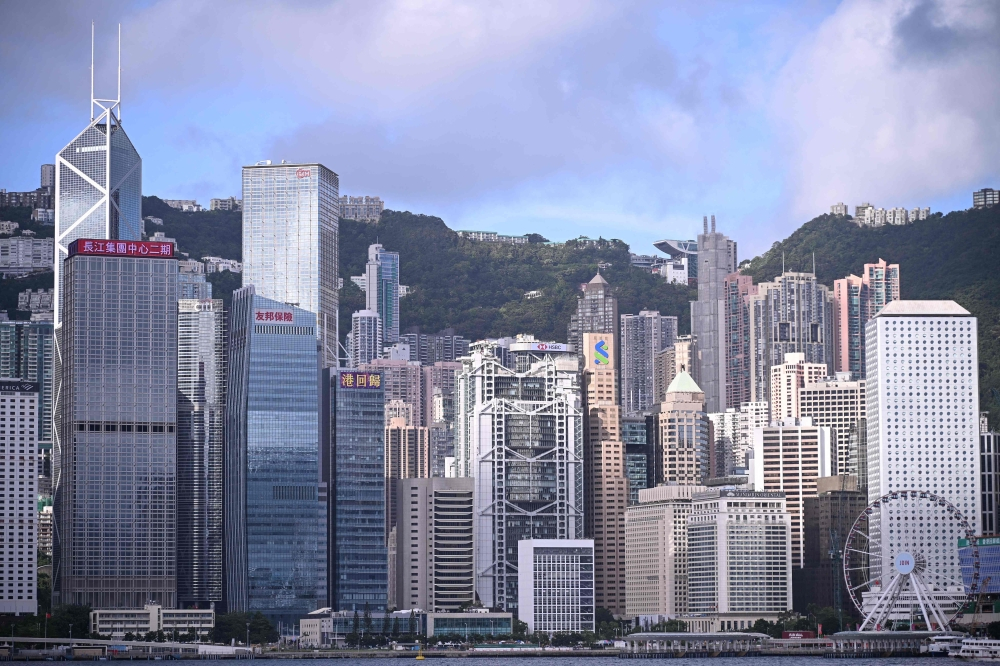
Hong Kong, China — Hong Kong is preparing for a new chapter in its economic and technological development as the city government introduces its first Five-Year Plan, setting out a strategy to strengthen innovation, expand investment in technology, and deepen connections with mainland China through 2030.
Chief Executive John Lee announced the plan as the government outlined its economic and social priorities for the coming years. A major focus is increasing research and development spending, with Hong Kong aiming to raise R&D investment to three percent of its gross domestic product after 2030. This would represent a significant increase from the 1.63 percent recorded in 2024.
The move comes as China continues to place science and technology at the centre of its national development strategy. Beijing has been investing heavily in sectors such as semiconductors, artificial intelligence, and advanced technologies as it seeks to strengthen domestic capabilities and reduce reliance on foreign technology, including from the United States.
China has used Five-Year Plans since the 1950s to establish long-term economic, social, and development priorities. Hong Kong’s new plan reflects the city’s intention to align its own growth strategy with these broader national objectives while maintaining its distinct economic system.
Hong Kong Seeks Growth While Preserving Its Capitalist Economy
Hong Kong became a Chinese special administrative region in 1997 after the end of British colonial rule. Unlike mainland China, the city operates under a separate economic and trade framework and has historically served as an important international financial centre and gateway for investment into and out of China.
The city’s position as a global business hub has been supported by its financial services sector, international connections, and relatively open market. However, Beijing’s influence over Hong Kong’s governance has increased since widespread protests in 2019, shaping discussions about the city’s political and economic future.
Addressing concerns about the nature of the new plan, John Lee stressed that Hong Kong would not be moving towards a centrally planned economy.
“I want to make it very clear: the five-year plan is not a planned economy,” Lee told reporters on Tuesday ahead of the plan’s publication.
His remarks underline the government’s intention to pursue long-term development planning without abandoning Hong Kong’s capitalist economic structure.
Christine Loh, a former government official and lawmaker, described the plan as a potentially useful governance tool for putting longer-term strategic goals into action.
Technology Investment Takes Centre Stage
Innovation and technology are expected to play a central role in Hong Kong’s economic ambitions. The government’s R&D target reflects a desire to strengthen the city’s research capabilities and position it within China’s wider technology ecosystem.
For Hong Kong, greater investment in research could support the development of new businesses, technological industries, and high-value economic activities. It also creates opportunities to build stronger links between universities, research institutions, investors, and technology companies.
The plan’s alignment with China’s national development priorities has attracted attention from analysts who see it as part of a broader effort to connect Hong Kong more closely with mainland economic and technological growth.
Dylan Loh, an associate professor at Singapore’s Nanyang Technological University, said the plan was primarily intended to synchronise Hong Kong with China’s national Five-Year Plan, which was released in March.
He suggested that the move signals Hong Kong’s commitment to integrating into China’s national development goals and could lead to a closer economic relationship with Beijing.
The direction raises an important question for businesses and investors: how can Hong Kong strengthen its connection to China’s expanding technology economy while continuing to benefit from its international financial role?
Northern Metropolis Project Remains a Major Priority
Another important element of the Five-Year Plan is the acceleration of the Northern Metropolis development project.
First proposed in 2021, the Northern Metropolis is designed to become a major technology and innovation hub near Hong Kong’s border with mainland China. The project is expected to eventually cover around one-third of Hong Kong’s total land area.
The development is intended to support economic growth, improve regional connectivity, and create space for new industries and technology-related activities.
However, the project has also faced concerns from critics and local residents. Questions have been raised about its environmental impact and the financial pressure it could place on Hong Kong’s public finances.
These concerns highlight the challenges involved in balancing ambitious development plans with environmental protection, public spending, and the needs of local communities.
As the Northern Metropolis moves forward, its success will depend not only on investment and construction but also on how effectively the government addresses these concerns.
Closer Integration With Mainland China
The Northern Metropolis is part of a wider regional development vision that includes stronger connections between Hong Kong, mainland China, and neighbouring cities.
Eilo Yu, a political scientist specialising in Hong Kong and Macau development, said the new programme reflects how Hong Kong’s system can become more closely integrated with China’s development.
Yu also pointed to Hengqin Island, located next to Macau, as another example of regional development within China’s broader economic vision.
The two areas represent different parts of a wider effort to strengthen geographical and economic links between cities and regions.
The idea of reducing barriers between neighbouring economic centres has been discussed as part of regional integration, although the extent and pace of any future changes remain matters of policy and implementation.
For Hong Kong, the increasing focus on regional cooperation could create opportunities for businesses, research institutions, and investors seeking access to wider markets.
What the Five-Year Plan Could Mean for Hong Kong’s Future
Hong Kong’s first Five-Year Plan marks a significant step towards more structured long-term economic planning. By setting targets for research, technology, and regional development, the government is outlining how it hopes to strengthen the city’s role in a changing global economy.
The plan also reflects the importance of China’s national development strategy to Hong Kong’s future. As Beijing continues to prioritise technological advancement and economic integration, Hong Kong is seeking to position itself within that wider direction.
At the same time, the city faces the challenge of protecting the economic characteristics that have historically made it an international financial hub.
The coming years will show how the government balances these priorities, how effectively technology investments translate into economic opportunities, and whether major projects such as the Northern Metropolis deliver benefits for businesses and residents.
A Future Built on More Than Technology
Behind every development plan are people, communities, and the hopes of those who want a better future. For Hong Kong, the next five years will not be measured only by research spending, technology hubs, or economic targets.
They will also be measured by whether innovation creates meaningful opportunities, whether development improves everyday life, and whether the city can continue to grow while preserving the qualities that make it unique.
The real test of progress is not simply how much a city builds, but how much it helps its people move forward. Hong Kong’s new plan sets out an ambitious direction. Its lasting impact will depend on how that vision is turned into practical results for the generations to come.
Source: AFP